
• Skip to primary navigation
  • Skip to main content
  • Skip to footer
Shady Grove Fertility
  • Become an Egg Donor
  • Referring Physicians
  • 1-888-761-1967
  • Schedule Appointment
  • Get Started
        • Get Started
          • Causes of Infertility
          • Fertility Tests
          • When to Seek Help
          • Find a Doctor
          • Preconception and prenatal vitamins 
          • Schedule an Appointment
        • Personalized Care For
          • Single Parents
          • LGBTQIA+ Family Building
          • People with Cancer
          • Known Genetic Diseases
          • Egg Donors
  • Treatments
        • Fertility
          • Timed Intercourse
          • Ovulation Induction
          • Intrauterine Insemination (IUI)
          • In Vitro Fertilization (IVF)
          • Frozen Embryo Transfer (FET)
        • Donation & Surrogacy
          • Donor Sperm
          • Donor Egg
          • Donor Embryo
          • Gestational Carrier
          • LGBTQIA+ Family Building
          • Single Parents
          • Find a Donor
        • More Treatments
          • Center for Male Fertility
          • Egg Freezing
          • OncoFertility
          • Preimplantation Genetic Testing
          • MIGS
          • All Fertility Treatments
  • Resources
    • Resource Library
    • Events Calendar
    • Patient Stories
    • Mental Health
    • Wellness Center
  • Insurance & Savings
    • Insurance & Benefits
    • Shared Risk 100% Refund Program
    • 100% Refund for Donor Egg
    • Discounts
    • Egg Freezing Costs
    • Financing & Grants
    • Clinical Trials
  • About
    • Find a Doctor
    • About SGF
    • Our Care Team
    • Advanced Practice Providers
    • Fertility Equity
    • Philanthropy
    • Newsroom
    • Careers
    • Contact Us
    • Voice Your Feedback
  • Locations
        • Find a Location
        • California
        • Colorado
        • Delaware
        • Florida
        • Georgia
        • Maryland
        • North Carolina
        • Pennsylvania
        • Texas
        • Virginia
        • Washington, D.C.
        • Chile
        • International & Out of State
        • SGF at Walter Reed National Military Medical Center
  • Patient Hub
    • Online Bill Pay
    • Patient Forms
    • Patient Portal
  • Call your care team
  • Become an egg donor
  • Referring physicians
  • search-icon
  • Schedule appointment 1-888-761-1967

Home / Diagnosing Infertility / Page 18

Diagnosing Infertility

April 30, 2014 by Shady Grove Fertility

by Naveed Khan, M.D., Shady Grove Fertility, Leesburg, VA

Hypogonadotropic Hypogonadism: a condition characterized by a lack of Follicle Stimulating Hormone (FSH) and/or Luteinizing Hormone (LH) resulting in anovulation.

Dr. Naveed Khan
Dr. Naveed Khan

A common symptom among women who have infertility is irregular menstrual cycles.  Sometimes a woman is experiencing too many menstrual cycles but more often there are too few menstrual cycles. If a woman is having regular cycles every month, it is a good sign that she is more than likely ovulating. If a woman is having very infrequent cycles or not having any cycles at all, that could be a sign that she is not ovulating regularly or possibly not ovulating at all.

What is Hypogonadotropic Hypogonadism?

This past week, I had a large number of patients come in sharing that they did not have a period, known medically as amenorrhea. Several of the women experiencing amenorrhea are diagnosed with a condition called hypogonadotropic hypogonadism.  Simply, this is a condition resulting from the underproduction of releasing hormones from the hypothalamus or from an underproduction of hormones from the pituitary gland.

Releasing hormones from the hypothalamus trigger the pituitary gland to produce and/or secret a different set of hormones. The pituitary gland – a pea sized gland that sits at the base of the brain – produces many hormones, including two important hormones involved directly with ovulation:

  • Follicle Stimulating Hormone (FSH) and
  • Luteinizing Hormone (LH).

If there isn’t enough of either of these two hormones, a woman won’t produce a follicle, thus no ovulation, which then results in an absence of a period or possibly a much delayed period.  When a women does not ovulate, there is no chance for pregnancy to occur. The good news is that with medication, we can get a woman with hypogonadotropic hypogonadism to ovulate, thus restoring her fertility!

Causes of Hypogonadotropic Hypogonadism

Underlying causes of hypogonadotropic hypogonadism include:

  • eating disorders such as anorexia or bulimia,
  • excessive exercise such as running marathons,
  •  severe stress,
  •  a very low body mass
  • various genetic conditions,
  • tumors, or
  • infiltrating diseases, such as sarcoidosis.

Watch Dr. Khan on Talking to Your OB About Fertility Testing

Testing & Treatment for Hypogonadotropic Hypogonadism

One of the first steps would be to do a hormonal evaluation of LH, FSH, thyroid stimulating hormone (TSH), and prolactin (PRL). Radiology testing of the brain and pituitary by magnetic resonance imaging (MRI), as well as genetic testing and counseling, may also be recommended.  Actually, Dr. Eric Levens, one of my partners here at Shady Grove Fertility, just finished reviewing the most recent practice guidelines for women with amenorrhea for the American Society for Reproductive Medicine (ASRM), demonstrating the very high level of interest and knowledge regarding the evaluation and treatment of hypogonadotropic hypogonadism in our practice.

In order to treat the resulting infertility of a woman with hypogonadotropic hypogonadism, ovulation needs to be induced. This is done by taking daily low-dose injectable LH and FSH. The ovaries are monitored with bloodwork and ultrasound to assess response to the medication. If a woman is not responding to a given dose after several days, then the dose is very slowly increased. Most women – approximately 95% –  will ultimately respond. Sometimes a woman can over stimulate, and in those cases the simulation cycle may need to be stopped or converted to in vitro fertilization (IVF).  Some women repetitively hyper respond in ovulation induction cycles and in those cases, IVF may be the safest option to achieve pregnancy due to the significant risk of multiple pregnancies. Like any medical condition related to fertility, a woman’s age will have a significant impact on response and what will be the best treatment plan will be at that time. Overall, there is an excellent chance in achieving a pregnancy for women with hypogonadotropic hypogonadism.

If you have questions about fertility or are ready to schedule an appointment at Shady Grove Fertility, please speak with one of our New Patient Liaisons at 877-971-7755.

Filed Under: Diagnosing Infertility Tagged With: Dr. Naveed Khan

January 30, 2014 by Shady Grove Fertility

by Stephanie Beall, M.D., Ph.D

When the first or second child is conceived with ease, it may seem perplexing why you are having trouble conceiving now.  Unfortunately, even if you have been able to have a child previously, the same problems that can affect a couple never able to conceive can also affect you.

One of the most common reasons for secondary infertility is maternal age. It is important to realize that the natural decline in a woman’s fertility occurs, whether or not you have been pregnant before. As a woman ages, the number of eggs decrease as does the quality of those eggs. Therefore, pregnancy rates decrease and chance of miscarriage increases as we get older. Male age is also important. As a man grows older, sperm quality and quantity may begin to decrease.

SHOULD I SEE A FERTILITY SPECIALIST?

Infertility is a medical problem. If you have been trying, unsuccessfully, to have another child and are worried that you may have secondary infertility, you should see a fertility specialist . In addition, you should also see a doctor if you have had any changes in your health since the birth of your last child which may impact your ability to conceive. Conditions that can arise after a delivery which may impact fertility include:

  • Pelvic inflammatory disease
  • Recurrent miscarriage
  • Irregular or absent cycles

Unlike those experiencing difficulty having their first child, couples facing secondary infertility are much less likely to seek help. Many are told that they have nothing to worry about so just keep trying. This can not only lead to frustration, but also the loss of valuable time. It is important to not delay simply because you have been able to have children in the past. Infertility can happen to anyone at anytime.

You are not alone

Sadly, infertility does not discriminate and can happen to anyone at anytime throughout their reproductive years. Secondary infertility is very common – according to recent study up to 50% of couple struggling with infertility.  Although there are many couples facing the same situation, the path of infertility testing and treatment can often feel very lonely.

Often times couples experiencing secondary infertility feel distant from friends and family members who simply cannot understand the pain associated with infertility when you already have a child. You may feel criticized, thinking you should be grateful for the child(ren) you have, or you may feel an overwhelming guilt that you cannot give your child a little brother or sister. Couples often need assistance as they struggle with the complex feelings associated with secondary infertility. There are support groups and resources available and your doctor can help you find what you need.

IS THERE ANYTHING THAT I CAN DO?

While infertility is a medical problem that usually requires specialized treatments, there are lifestyle changes you can make to help yourself. One of the most prevalent lifestyle factors that can impact your ability to conceive is maintaining a healthy weight. Excessive weight contributes to ovulatory disorders and has been linked to miscarriage. As a woman’s weight increases, her risk for hypertension and diabetes increases too.  Women who are underweight are also at risk of having an ovulatory disorder. Therefore, maintaining a healthy diet with moderate exercise to obtain a normal weight is very important and one thing you can do to take control of your health and fertility.

If you are ready to schedule an appointment with Dr. Stephanie Beall or another physician at Shady Grove Fertility, please speak with one of our New Patient Liaisons at 877-971-7755.

Filed Under: Diagnosing Infertility Tagged With: Secondary infertility

November 22, 2013 by Shady Grove Fertility

by Nicole Holovach, RD – Dietitian at Pulling Down the Moon

What is the Paleo Diet?

Nicole Holovach, RD

More and more of my clients are asking me about the Paleo diet. In case you haven’t heard, Paleo is a diet trend attempting to replicate what our “caveman” hunter gatherer ancestors ate during the Paleolithic era—a period which ended around 10,000 years ago with the development of agriculture and grain-based diets.

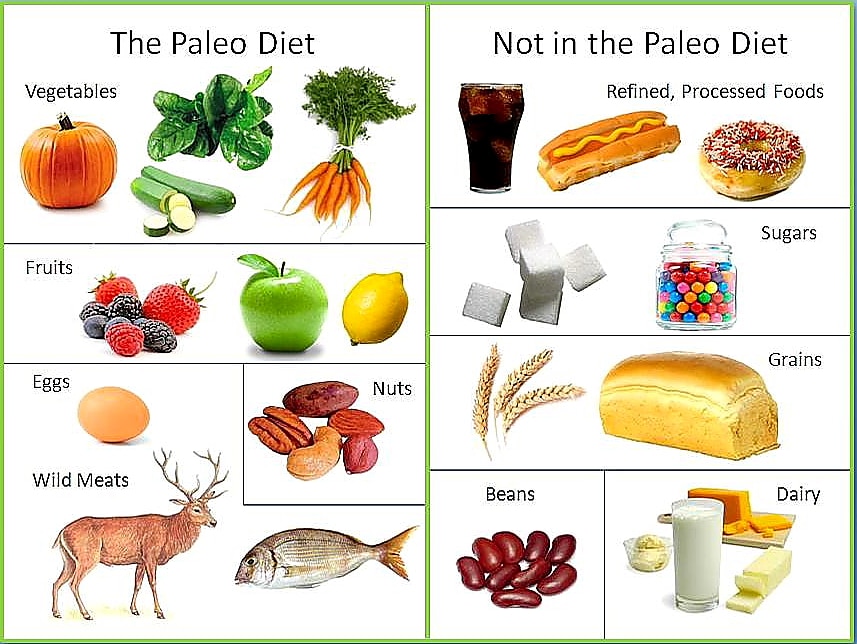
The contemporary Paleo diet consists mainly of fish, grass-fed pasture-raised meats, eggs, vegetables, fruit, seafood, nuts and seeds, and excludes grains, legumes, starchy vegetables, refined sugar, refined vegetable oils, and dairy products. Some take it as far as their exercise routine as well, focusing on sprints and lifting heavy things outside.

Proponents claim that genetically our bodies are virtually the same as they were at the end of the Paleolithic era and we haven’t evolved to be able to digest grains and beans properly. There are an abundant number of blogs and books devoted to the lifestyle. Proponents can be quite dogmatic, and claim that the Paleo diet can cure everything from obesity to autoimmune disorders to hormonal disorders like polycystic ovary syndrome (PCOS).

  • Fertility Facts: PCOS & Fertility

Is Paleo for PCOS Recommended?

`The primary treatment of PCOS is to manage insulin resistance, either through medication or diet and lifestyle changes or both. Some health practitioners recommend a low carb diet for PCOS, and the Paleo diet can be low carb. While low carb diets may help initially with the symptoms of PCOS, they can lead to long-term problems. I much prefer clients with PCOS eat a more balanced diet, where healthy carbohydrates are balanced with protein and fat. It’s more sustainable and more beneficial for long-term health.

I’m not totally convinced of the logic or the evidence for Paleo for PCOS treatment. There are plenty of cultures around the world that thrive with grain, dairy, and/or legumes in their diet.

That being said, I do like the Paleo diet for its emphasis on real, whole foods and as a way to cut back on all the processed, packaged food that surrounds us. If you’re going to try Paleo for PCOS, general weight loss or lifestyle changes, make sure to include plenty of healthy carbohydrates like starchy root vegetables and fruit. Also, don’t overdo the nuts and meat. I find many on the diet eat way too much nut butter, almond flour, trail mix, bacon, and muscle meat. Also, note that the Paleo diet was ranked last in US News and World Report when they reviewed 29 popular diet methods.

Learn more about nutrition, call 888-604-7525 or schedule an appointment online.

If you would like to schedule an appointment with a fertility specialist, please speak with one of our New Patient Liaisons at 877-971-7755.
This article was submitted as a guest writer. The opinions expressed in the article do not necessarily represent the opinions of Shady Grove Fertility Center.

Filed Under: Diagnosing Infertility Tagged With: Holistic care, Polycystic ovary syndrome (PCOS)

November 18, 2013 by Shady Grove Fertility

by Eugene Katz, MD

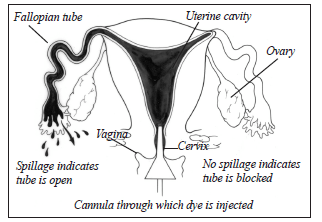
Hysterosalpingogram (HSG) is a test that uses x-rays to examine both the uterine cavity and the fallopian tubes.

Why Fallopian Tubes Matter

The fallopian tubes are responsible capturing an egg after it is released from the ovary (ovulation), serving as a meeting point for sperm and eggs. Sperm fertilize the egg creating and embryo and the fallopian tube will transport the embryo towards the uterine cavity where the embryo will subsequently implant and develop.

The hysterosalpingogram, or HSG, will detect blockages in the fallopian tubes and abnormalities of the uterine cavity such as polyps, fibroids, and scar tissue that may prevent proper implantation and growth of the embryo. It will also detect congenital uterine malformations that result from incomplete or abnormal development of the uterus before birth.

Having a Hysterosalpingogram

The HSG is usually done in a radiology facility. After being greeted, you will be asked for a small urine sample to run a pregnancy test and to read and sign a consent form.

The best time to do the test is between the 5th and 12th day after the menstrual cycle started to avoid doing the test during menses or after the eggs is released (ovulation) thus avoiding doing the test during early pregnancy.

Your health care provider may or may not have recommend that you take over-the-counter pain relievers such as ibuprofen an hour before the procedure. In some cases, your provider may recommend that antibiotics be taken an hour before the procedure as well.

  • Dispelling the HSG Myths

Hysterosalpingogram Procedure (HSG Procedure)

During the HSG, a speculum will be inserted into the vagina (similar to a pap smear), the cervix will be cleaned using a swab with disinfectant and then a thin plastic tube (catheter) will be inserted into the cervix that will lead to your uterus and fallopian tubes. A special clear solution that shows up on x-rays (commonly known as a dye) will be injected through the plastic tube. The dye should fill the uterus and fallopian tubes and spill out of each fallopian tube while images are being saved. The actual procedure will take not more than 3-5 minutes and a preliminary verbal report will be shared with you. The final report will be reported to your physician.

While most women experience no pain during a HSG, some women feel some cramping, especially when the dye is injected. Women who have a blocked fallopian tube may feel more intense pain. Over-the-counter pain medicines such as ibuprofen, 2 -3 tablets taken 30-60 minutes before the procedure can help relieve this pain or discomfort but is often not necessary. Patients experiencing unusual pain, especially fever after the procedure, require immediate attention. A small amount of bleeding after the procedure is uncommon and should not last more than a few hours.

If one or both the fallopian tubes are abnormal, the doctors performing the procedure will advise you to take antibiotics for 3-5 days and will be happy to give you a prescription.

Shady Grove Fertility is able to perform HSGs in both of our certified radiologic facilities in Towson, MD and Rockville, MD.

If you have questions about your fertility options or are ready to schedule an appointment with Dr. Eugene Katz or another physician at Shady Grove Fertility, please speak with one of our New Patient Liaisons at 877-971-7755.
Filed Under: Diagnosing Infertility Tagged With: Dr. Eugene Katz, Hysterosalpingogram (HSG)

September 18, 2013 by Shady Grove Fertility

When you think about male infertility the image that pops in your mind probably isn’t of a 6’6’’ 215 lbs. hockey player with a great career as an effective teammate- a strong, tough, professional athlete. However, what most people didn’t know until a few days ago is that the NHL’s Dave Steckel struggled with infertility and when he and his lovely wife Diondra decided to start a family, they couldn’t.

As told in the Washington Post, when Dave was a child he had two surgeries to correct a problem with undescended testes. Although he was told there could be problems later in life, Dave moved on, playing hockey at Ohio State, getting drafted by the LA Kings, and during that time, marrying.

  • Read Dave Steckel’s story at washingtonpost.com

While he was playing with the Washington Capitals, Dave and Diondra decided it was time to start their family. For a period of time Diondra, like most women, believed that their inability to conceive was her fault. It was only when Dave talked to his team doctor did he learn that he might be the cause and the doctor suggested Dave and Diondra visit Shady Grove Fertility, ultimately seeking treatment with Dr. Stephen J. Greenhouse, in Virginia.

The Steckel Family Celebrating Harper’s Birthday

Dave’s willingness to talk to a doctor is in itself unique. One reproductive urologist recently remarked that societal stereotypes about masculinity and virility might explain why men are suffering in silence. For a professional hockey player these stereotypes are only heightened and magnified.

The Steckels went to Shady Grove Fertility for testing and learned that Dave had very low sperm counts and low sperm motility. They began IVF treatments and on their second round Diondra got pregnant and they now have a beautiful toddler, Harper.

Dave’s story may seem unique, but it’s not. Male infertility can effect anyone, even professional athletes. Dave and Diondra weren’t afraid to talk about their fertility issues. Their story is inspiring and we are proud to be a part of it. This is a real health issue and studies have shown that nearly half of infertility problems can be linked to a male problem.

  • Washington Post Magazine: “For men, infertility often becomes a private heartache”
  • Read Dave Steckel’s story at washingtonpost.com

His advice to other men?  “Get yourself tested; it could be you. And if it is, no big deal. You go from there. Doesn’t matter how big of a hard-ass you are.”

If you would like to schedule an appointment with a fertility specialist, please speak with one of our New Patient Liaisons at 877-971-7755.

Filed Under: Diagnosing Infertility

June 10, 2013 by Shady Grove Fertility

Causes of Infertility

When a couple comes in for a consultation at Shady Grove Fertility, after diagnostic testing and a complete medical history review, they are likely to be told one of four things that might be causing their troubles with conceiving:

  1. Female Infertility (for example: endometriosis, PCOS, advanced age)
  2. Male Factor Infertility
  3. A combination of Female and Male Factor Infertility
  4. Unexplained Infertility

Even though the causes of infertility are rather evenly split between the genders, there is no denying that the journey a woman and man go on once diagnosed with infertility is remarkably different.
Men & Infertility

Washington Post Magazine’s cover story focuses on the male journey through infertility.

This week’s Washington Post Magazine covers the male perspective of going through fertility treatment. The “brown paper bag” and helping their partners with injections. The moral support they need to provide while being pushed to the sidelines throughout treatment.

Whether the diagnosis is female or male factor infertility, there is no doubt that often times it feels like a woman’s health problem. But how do men cope with it all?

Shady Grove Fertility’s Sharon N. Covington, MSW, LCSW-C says, “Men have such tremendous pressure on them and they’re kind of conditioned to keep their feelings inside.” While few men seek counsel, “given the opportunity to talk, they really run with it.”

Read “For men, infertility often becomes a private heartache” and follow couples through their fertility journeys. From treatment failing to finally seeing a positive pregnancy test, get an inside look at infertility from a man’s perspective.

To learn more about fertility treatment or schedule an appointment, please speak with one of our New Patient Liaisons by calling 877-971-7755.

Filed Under: Diagnosing Infertility

  • « Go to Previous Page
  • Page 1
  • Interim pages omitted …
  • Page 16
  • Page 17
  • Page 18
  • Page 19
  • Page 20
  • Page 21
  • Go to Next Page »

Company

  • About SGF
  • About US Fertility
  • Our Doctors
  • Fertility Equity
  • Careers
  • Newsroom
  • SGF College Scholarship
  • Contact Us
  • Voice Your Feedback

Treatments

  • Egg Freezing
  • Intrauterine Insemination (IUI)
  • In Vitro Fertilization (IVF)
  • Frozen Embryo Transfer (FET)
  • LGBTQIA+ Family Building
  • Shared Risk 100% Refund Program
  • All Treatments

Resources

  • Patient Portal
  • Online Bill Pay
  • Library
  • Support Groups & Events

Locations

  • California
  • Colorado
  • Delaware
  • Florida
  • Georgia
  • Maryland
  • North Carolina
  • Pennsylvania
  • Texas
  • Virginia
  • Washington, D.C.

2026 Shady Grove Fertility

  • Policies & Notices