• Skip to primary navigation
  • Skip to main content
  • Skip to footer
Shady Grove Fertility
  • Become an Egg Donor
  • Referring Physicians
  • 1-888-761-1967
  • Schedule Appointment
  • Get Started
        • Get Started
          • Causes of Infertility
          • Fertility Tests
          • When to Seek Help
          • Find a Doctor
          • Preconception and prenatal vitamins 
          • Schedule an Appointment
        • Personalized Care For
          • Single Parents
          • LGBTQIA+ Family Building
          • People with Cancer
          • Known Genetic Diseases
          • Egg Donors
  • Treatments
        • Fertility
          • Timed Intercourse
          • Ovulation Induction
          • Intrauterine Insemination (IUI)
          • In Vitro Fertilization (IVF)
          • Frozen Embryo Transfer (FET)
        • Donation & Surrogacy
          • Donor Sperm
          • Donor Egg
          • Donor Embryo
          • Gestational Carrier
          • LGBTQIA+ Family Building
          • Single Parents
          • Find a Donor
        • More Treatments
          • Center for Male Fertility
          • Egg Freezing
          • OncoFertility
          • Preimplantation Genetic Testing
          • MIGS
          • All Fertility Treatments
  • Resources
    • Resource Library
    • Events Calendar
    • Patient Stories
    • Mental Health
    • Wellness Center
  • Insurance & Savings
    • Insurance & Benefits
    • Shared Risk 100% Refund Program
    • 100% Refund for Donor Egg
    • Discounts
    • Egg Freezing Costs
    • Financing & Grants
    • Clinical Trials
  • About
    • Find a Doctor
    • About SGF
    • Our Care Team
    • Advanced Practice Providers
    • Fertility Equity
    • Philanthropy
    • Newsroom
    • Careers
    • Contact Us
    • Voice Your Feedback
  • Locations
        • Find a Location
        • California
        • Colorado
        • Delaware
        • Florida
        • Georgia
        • Maryland
        • North Carolina
        • Pennsylvania
        • Texas
        • Virginia
        • Washington, D.C.
        • Chile
        • International & Out of State
        • SGF at Walter Reed National Military Medical Center
  • Patient Hub
    • Online Bill Pay
    • Patient Forms
    • Injection Videos
    • Patient Portal
  • Call your care team
  • Become an egg donor
  • Referring physicians
  • search-icon
  • Schedule appointment 1-888-761-1967

Home / Causes of Infertility / Polyendocrine metabolic ovarian syndrome (PMOS) 

Polyendocrine metabolic ovarian syndrome (PMOS) 

Formerly known as polycystic ovary syndrome (PCOS)

Polyendocrine metabolic ovarian syndrome (PMOS) is a hormonal condition caused by a combination of genetic and metabolic factors that disrupt ovulation — the body’s process of producing and releasing eggs from the ovaries. 

People with PMOS often have irregular or absent periods, signs of elevated testosterone such as acne or excess facial or body hair, and insulin resistance, which can contribute to weight gain and increase the risk of diabetes. 

Schedule Appointment
Helpful info
Intrauterine insemination (IUI)
In vitro fertilization (IVF)
Shared Risk 100% Refund Program
PCOS on-demand webinar
Weight & Fertility on-demand webinar
  • Indicators
  • Testing
  • Treatment
  • FAQs
  • Resources

Indicators of PMOS/PCOS

Symptoms

The hormonal imbalances experienced by people with PMOS can cause the following symptoms:

  • Irregular menstrual cycles, specifically those that are 3 to 5 days shorter or longer than a typical cycle (a normal cycle ranges between 21 and 35 days) 
  • Heavy or absent periods — some women with PCOS only menstruate one to two times a year. 
  • Acne
  • Excess facial and body hair
  • Weight gain or difficulty losing weight 
  • Thinning hair or hair loss on the scalp 
  • Oily skin 

What causes PMOS?

The cause of PMOS is not completely understood. It is clear that there is a genetic basis to the condition, as a person is more likely to develop the condition if their immediate family member has it.  

High androgen levels and high insulin levels may also contribute to the condition, creating a cycle that can make symptoms harder to manage. 

Diagnostic testing for PMOS

Your medical history and an ultrasound are necessary for diagnosing PMOS/PCOS. However, your physician may need other tests to confirm the diagnosis such as: 

  • Blood hormone levels: Blood tests that reveal the levels of certain hormones in your blood, such as FSH, LH, estrogen (estradiol), and androgens

How does PMOS affect fertility?

PMOS is a leading cause of female infertility, yet many women with the condition go on to conceive and have healthy pregnancies. The impact of PCOS on fertility can include:  

  • Irregular or absent ovulation caused by hormonal imbalances  
  • Difficulty with implantation or early pregnancy loss.  
  • Insulin resistance, which can affect egg quality and hormone balance  
  • Chronic low-grade inflammation, which may make it harder for an embryo to implant 

People with PMOS often benefit from early evaluation and management. Consulting a fertility specialist can provide personalized treatment options to support your reproductive goals 

Treatment for polyendocrine metabolic ovarian syndrome

For people who are trying to conceive

Your fertility treatment for PMOS will depend on your specific needs.  

Carrying excess weight can make PMOS symptoms harder to manage, and even modest weight loss may help improve hormonal balance. If your goal is to become pregnant, your doctor may prescribe a medication to stimulate ovulation. Common fertility treatments include oral medications to help with ovulation such as clomiphene citrate (Clomid, Serophene) and letrozole (Femara). Your doctor may prescribe a second oral medicine, such as metformin, which can help make the body more sensitive to insulin and lead to more regular ovulation. 

Historically, Clomid was the first line of treatment for PMOS. Currently, letrozole is considered the standard because it has been proven to offer a higher chance of pregnancy. Your doctor can help determine which option is right for you. It’s important to note that if you haven’t conceived after three to four cycles of ovulation induction, you should consider a different course of treatment, such as intrauterine insemination (IUI) or in vitro fertilization (IVF). 

Lifestyle changes, such as eating a balanced diet and staying active, can greatly help reduce PMOS symptoms alongside medical treatment. Over-the-counter supplements like inositol or prescription medication like metformin help lower insulin resistance and stabilize irregular cycles, even before starting ovulation-stimulating medication. 

For people who aren’t actively trying to conceive

An early PMOS diagnosis matters, even if pregnancy isn’t part of your plans right now. PMOS affects more than fertility. It’s tied to metabolic health, hormone balance, and long-term wellbeing. Without a diagnosis, related health issues like insulin resistance, irregular ovulation, and metabolic changes can go unaddressed for years. Getting evaluated early gives you and your doctor more time to manage these issues before they become harder to treat. It also means you’ll have a clearer picture of your reproductive health if you decide to grow your family. 

FAQs

Polyendocrine metabolic ovarian syndrome (PMOS) is a hormonal condition caused by a combination of genetic and metabolic factors that disrupt ovulation — the body’s process of producing and releasing eggs from the ovaries.  

People with PMOS often have irregular or absent periods, signs of elevated testosterone such as acne or excess facial or body hair, and insulin resistance, which can contribute to weight gain and increase the risk of diabetes. 

Yes, PMOS is the updated name for the condition previously known as PCOS. The science, diagnosis criteria, and treatments remain the same. The name was updated in May 2026 to more accurately reflect the hormonal and metabolic nature of the condition.

PCOS was renamed because the old name didn’t fully capture the condition. Many people diagnosed with PCOS don’t have polycystic ovaries, and some people with polycystic ovaries don’t have PCOS at all. The new name, polyendocrine metabolic ovarian syndrome, refocuses the diagnosis on what’s important: multiple hormone systems (polyendocrine), metabolic changes like insulin resistance (metabolic), and effects on the ovaries (ovarian). 

Long-term exposure to high estrogen levels without enough progesterone to balance it can thicken the lining of the uterus over time, which raises the risk of endometrial (uterine) cancer. Because irregular ovulation with PMOS means the uterine lining isn’t shed as regularly, this is something to manage over time, not just monitor. Hormonal birth control that contains progesterone, like the oral contraceptive pills or a progesterone containing IUD, can help regulate the menstrual cycle and lower this risk. Your doctor can help you find the right option for your health and family-building goals.  

PMOS is also linked to a higher likelihood of other health conditions, so your doctor may recommend additional screening over time, including: 

• Diabetes 

• High blood pressure 

• Unhealthy cholesterol 

• Sleep problems 

• Depression and anxiety 

Learn more about PMOS

What is Polycystic Ovary Syndrome (PCOS)?

Article

What is Polycystic Ovary Syndrome (PCOS)?

PCOS Webinar

Event

Getting Pregnant with PMOS Webinar + Q&A

Video

Causes and symptoms of PCOS

Video

Getting Pregnant with PCOS

Success stories from patients with PMOS
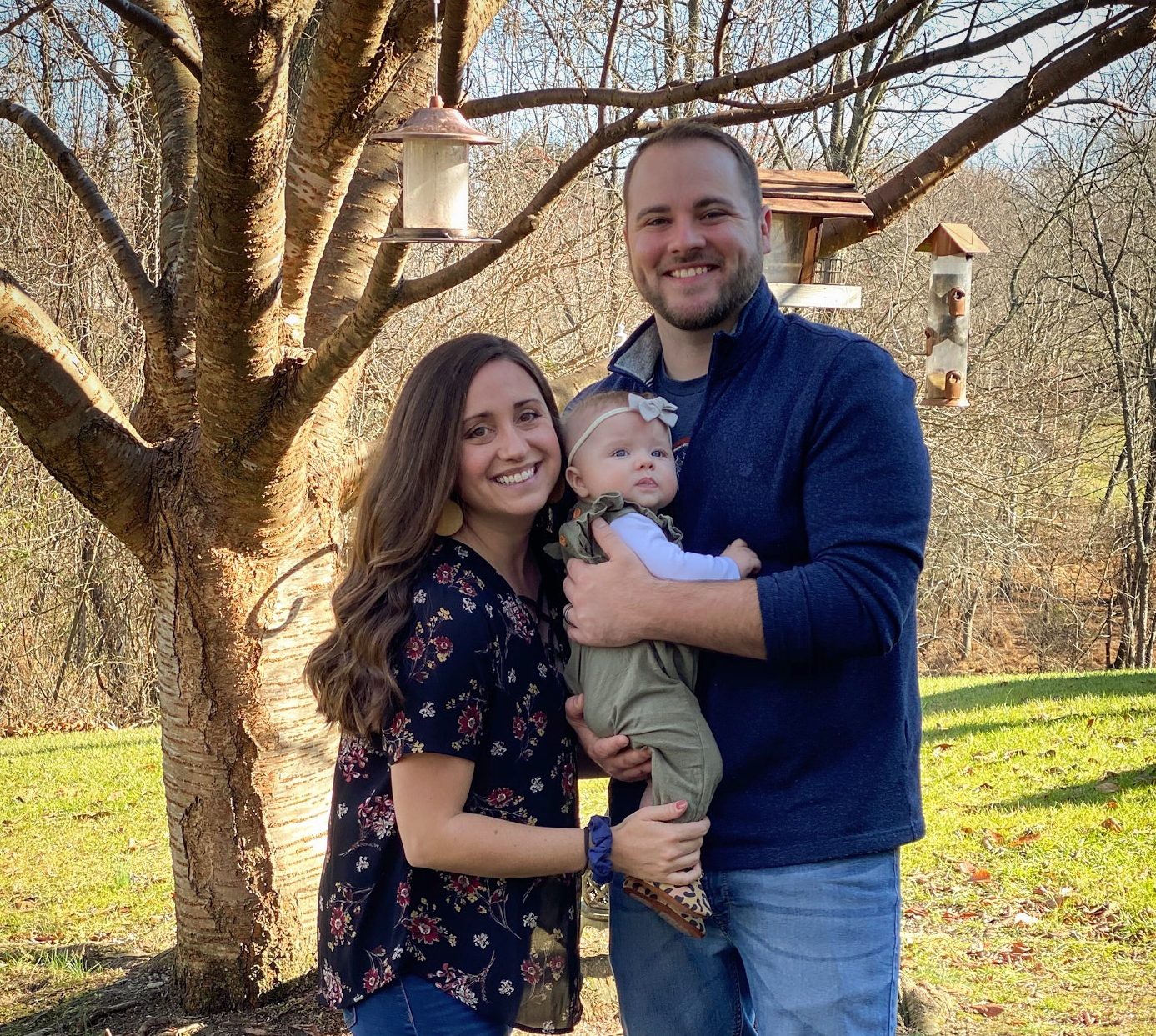
Patient Story

Sara & Chad
Patient Story

Jessica & Kevin

Patient Story

Dani & Corey
Patient Story

Tracy & Anthony

How to get started

Shady Grove Fertility has treatment options to help almost everyone build the family of their dreams. And it all starts with one call:
Get Started
or 1-888-761-1967

Company

  • About SGF
  • About US Fertility
  • Our Doctors
  • Fertility Equity
  • Careers
  • Newsroom
  • SGF College Scholarship
  • Contact Us
  • Voice Your Feedback

Treatments

  • Egg Freezing
  • Intrauterine Insemination (IUI)
  • In Vitro Fertilization (IVF)
  • Frozen Embryo Transfer (FET)
  • LGBTQIA+ Family Building
  • Shared Risk 100% Refund Program
  • All Treatments

Resources

  • Patient Portal
  • Online Bill Pay
  • Library
  • Support Groups & Events

Locations

  • California
  • Colorado
  • Delaware
  • Florida
  • Georgia
  • Maryland
  • North Carolina
  • Pennsylvania
  • Texas
  • Virginia
  • Washington, D.C.

2026 Shady Grove Fertility

  • Policies & Notices