
• Skip to primary navigation
  • Skip to main content
  • Skip to footer
Shady Grove Fertility
  • Become an Egg Donor
  • Referring Physicians
  • 1-888-761-1967
  • Schedule Appointment
  • Get Started
        • Get Started
          • Causes of Infertility
          • Fertility Tests
          • When to Seek Help
          • Find a Doctor
          • Preconception and prenatal vitamins 
          • Schedule an Appointment
        • Personalized Care For
          • Single Parents
          • LGBTQIA+ Family Building
          • People with Cancer
          • Known Genetic Diseases
          • Egg Donors
  • Treatments
        • Fertility
          • Timed Intercourse
          • Ovulation Induction
          • Intrauterine Insemination (IUI)
          • In Vitro Fertilization (IVF)
          • Frozen Embryo Transfer (FET)
        • Donation & Surrogacy
          • Donor Sperm
          • Donor Egg
          • Donor Embryo
          • Gestational Carrier
          • LGBTQIA+ Family Building
          • Single Parents
          • Find a Donor
        • More Treatments
          • Center for Male Fertility
          • Egg Freezing
          • OncoFertility
          • Preimplantation Genetic Testing
          • MIGS
          • All Fertility Treatments
  • Resources
    • Resource Library
    • Events Calendar
    • Patient Stories
    • Mental Health
    • Wellness Center
  • Insurance & Savings
    • Insurance & Benefits
    • Shared Risk 100% Refund Program
    • 100% Refund for Donor Egg
    • Discounts
    • Egg Freezing Costs
    • Financing & Grants
    • Clinical Trials
  • About
    • Find a Doctor
    • About SGF
    • Our Care Team
    • Advanced Practice Providers
    • Fertility Equity
    • Philanthropy
    • Newsroom
    • Careers
    • Contact Us
    • Voice Your Feedback
  • Locations
        • Find a Location
        • California
        • Colorado
        • Delaware
        • Florida
        • Georgia
        • Maryland
        • North Carolina
        • Pennsylvania
        • Texas
        • Virginia
        • Washington, D.C.
        • Chile
        • International & Out of State
        • SGF at Walter Reed National Military Medical Center
  • Patient Hub
    • Online Bill Pay
    • Patient Forms
    • Patient Portal
  • Call your care team
  • Become an egg donor
  • Referring physicians
  • search-icon
  • Schedule appointment 1-888-761-1967

Home / Sperm production disorders

Sperm production disorders

March 22, 2016 by Shady Grove Fertility

Last fall, renowned urologist and male fertility specialist Paul R. Shin, M.D. joined the medical team here at Shady Grove Fertility and since then we’ve been constantly answering, “How important is healthy sperm when it comes to fertility?” As patients have become more educated about male fertility which makes up 40 to 50 percent of all causes of infertility, the attention on semen, which contains sperm, has increased. Along with our patients, SELF magazine was also curious about the topic of sperm and fertility and recently published “12 Fascinating Facts About Semen” featuring Dr. Shin, among other healthcare professionals. Dr. Shin answered several questions about sperm and fertility are related and described how “semen is actually one of those things that will probably make you marvel at how amazing the human body is.”

What’s the difference between semen and sperm?

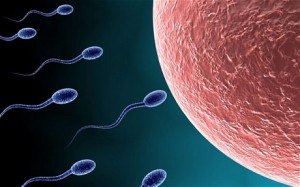
The first thing to know is that semen and sperm are different. Semen is the material that is ejaculated, and sperm is carried in the semen. The sperm contains half the 23 pairs of chromosomes and the egg contains the other half. It’s the sperm that will fertilize the egg. Once fertilization occurs, the embryo will have a full set of chromosomes (46 or 23 pairs).

Although semen carries millions of sperm, it’s made up mostly of water. Dr. Shin explains that there’s only about 10 calories in each ejaculate. Besides water, Shin told SELF that semen contains, “sugars like fructose, prostate-produced proteins called prostaglandins, and enzymes.” Even though the amount of semen in each ejaculation is only about 1 to 1.5 milliliters, there is a lot of sperm in each ejaculation—about 15 million sperm.

How does sperm find the right egg?

With so many millions of sperm and only one egg to fertilize, one would assume it would be an easy task for one sperm to make its way to an egg. Unfortunately, the human body puts the sperm through many “obstacles” to find and fertilize an egg. First, the vagina could be considered an “inhospitable environment” for sperm. The vagina has a high acidic pH that doesn’t allow the more basic sperm pH to easily move through. The sperm must next navigate which fallopian tube to travel through, be in good enough shape to fertilize it, and then fertilize the egg.

Do lifestyle choices affect sperm?

Yes. Smoking, being overweight, using a hot tub multiple times a week, and spending a lot of time in front of a hot oven are all examples of ways sperm can be damaged. Still unproven scientifically is whether the heat from a laptop computer can negatively affect sperm. However, it’s probably best for men to keep laptops away from their actual laps.

What’s the main difference between sperm and egg production?

Unlike women who are born with a finite number of eggs, the majority of healthy men will produce 2 trillion sperm in their lifetime. While sperm production does decrease as men age, the decline isn’t as drastic and starts later in life.

What is the relationship between sperm and fertility and why is a semen analysis an important part of the infertility work-up?

While all these facts and figures are interesting, male factor infertility is the cause of up to 50 percent of all infertility cases. Having a baby is possible with low sperm count and decreased motility (movement of the sperm); however, the first step to treatment is diagnosis. At Shady Grove Fertility, both partners undergo simple diagnostic testing, which includes a semen analysis for men. The purpose of the semen analysis is to determine if any of the following factors are less than ideal, which could impair conception:

  • Sperm count (concentration)
  • Volume
  • pH (level of acidity)
  • Motility
  • Progression (motion and forward progression)
  • Semen viscosity (consistency)
  • Morphology (shape and appearance)
  • The presence or absence of white, red, blood cells or immature sperm

To learn more about sperm and fertility and how our reproductive endocrinologists and urologists diagnose male factor infertility, call 1-877-971-7755 or click to schedule an appointment.
Filed Under: Diagnosing Infertility Tagged With: Sperm production disorders

November 25, 2014 by Shady Grove Fertility

There are always new articles popping up about what a woman can do to enhance her fertility potential. These enhancements run from the medical – eating healthy, exercising, having an ideal BMI – to the more superstitious – eating exotic fruits and nuts or standing on your head after sex. What’s often left out of this conversation though is what the male partner should be doing to prepare for conception. While the man will not be carrying the baby, his sperm will help to create that baby – and if his sperm are not healthy, male infertility may arise.

The Fox News article titled “Preventing male infertility: 12 natural ways to make healthy sperm” covers a variety of tips to help men have the most optimal fertility potential, recommending everything from eating pomegranate to wearing loose-fitting underwear. Since men produce new sperm every day, lifestyle changes have been shown to increase sperm quality. Here are some suggestions from the physicians at Shady Grove Fertility:

Reversing Male Infertility: Make Physical Fitness and Healthy Eating a Priority

As with women who have fertility complications from being under or overweight, men suffer from similar complications. Abnormal semen parameters (i.e. low sperm counts and low sperm motility) have been seen to increase with obesity. Overweight men have been found to have decreased levels of testosterone and elevated levels of estrogen, an issue that may impair signals from the brain that regulate sperm development. Overweight men are also at risk for impaired spermatogenesis, the process by which sperm are formed, due to increased scrotal temperatures. By maintaining a healthy diet and staying active, these potential risks can be alleviated.

It’s Time to Kick that Smoking Habit for Good

Smoking cigarettes can cause a decrease in the three main factors that determine a man’s sperm quality: sperm count, morphology, and motility. Studies have shown that damage is not necessarily permanent and may vary by the quantity and length of smoking history. A man’s fertility rate can completely return to normal within a year of quitting smoking.
Other drugs, including marijuana, have shown to decrease sperm counts, according to Dr. Ricardo Yazigi. “About 33 percent of chronic users will have low sperm counts… [men] should avoid use when trying to get pregnant.” Read more about the impact of drug use on male fertility.

Ease Back on Alcohol Consumption

Excessive consumption of alcohol in men has been seen to have an impact on fertility in several studies. Men who consume large quantities of alcoholic drinks (five or more) may have lowered testosterone levels and reduced sperm quality and quantity. Alcohol is also linked to impotence in men. It has been shown, though, that reducing the amount of alcohol consumed can quickly reverse these side effects.

Too Much Heat Can be Dangerous

Sperm counts and sperm quality may be affected by frequent or long visits to saunas, steam rooms, and hot tubs. This exposure to the heat does not have a permanent impact on sperm though, and sperm should return to normal quality and quantity within a few months of discontinuing sauna stays. Additionally, men should be wary of common household ‘heats’ like resting their laptops over their pelvic region – an issue that can easily be resolved by using a laptop lap board or cooling pad.

Male Infertility Improved with Lifestyle Changes and Sperm Regeneration

While there are many unknown factors that can cause male infertility, the aforementioned lifestyle tips have been shown to make a remarkable difference in men whose habits are affecting their fertility. It is beneficial for any man who is trying to conceive with his partner to keep a healthy lifestyle: minimizing alcohol intake, quitting smoking, and eating healthy and exercising.

The fact that men produce millions of new sperm every day makes it highly beneficial to men who want to alter their lifestyle habits. Sperm take about 74 days to mature, which means that men who do make lifestyle changes only need to wait about three months before seeing improvements in sperm quality and increasing your chance for reproductive success.

If you have questions regarding factors that may affect male fertility or would like to schedule a new patient appointment, please call our New Patient Center at 877-971-7755 or click to schedule an appointment.

Filed Under: Diagnosing Infertility Tagged With: Sperm production disorders

Company

  • About SGF
  • About US Fertility
  • Our Doctors
  • Fertility Equity
  • Careers
  • Newsroom
  • SGF College Scholarship
  • Contact Us
  • Voice Your Feedback

Treatments

  • Egg Freezing
  • Intrauterine Insemination (IUI)
  • In Vitro Fertilization (IVF)
  • Frozen Embryo Transfer (FET)
  • LGBTQIA+ Family Building
  • Shared Risk 100% Refund Program
  • All Treatments

Resources

  • Patient Portal
  • Online Bill Pay
  • Library
  • Support Groups & Events

Locations

  • California
  • Colorado
  • Delaware
  • Florida
  • Georgia
  • Maryland
  • North Carolina
  • Pennsylvania
  • Texas
  • Virginia
  • Washington, D.C.

2026 Shady Grove Fertility

  • Policies & Notices
Also of interest
  • In Vitro Fertilization IVF
  • Fertility Tests
  • Research Publications