• Skip to primary navigation
  • Skip to main content
  • Skip to footer
Shady Grove Fertility
  • Become an Egg Donor
  • Referring Physicians
  • 1-888-761-1967
  • Schedule Appointment
  • Get Started
        • Get Started
          • Causes of Infertility
          • Fertility Tests
          • When to Seek Help
          • Find a Doctor
          • Preconception and prenatal vitamins 
          • Schedule an Appointment
        • Personalized Care For
          • Single Parents
          • LGBTQIA+ Family Building
          • People with Cancer
          • Known Genetic Diseases
          • Egg Donors
  • Treatments
        • Fertility
          • Timed Intercourse
          • Ovulation Induction
          • Intrauterine Insemination (IUI)
          • In Vitro Fertilization (IVF)
          • Frozen Embryo Transfer (FET)
        • Donation & Surrogacy
          • Donor Sperm
          • Donor Egg
          • Donor Embryo
          • Gestational Carrier
          • LGBTQIA+ Family Building
          • Single Parents
          • Find a Donor
        • More Treatments
          • Center for Male Fertility
          • Egg Freezing
          • OncoFertility
          • Preimplantation Genetic Testing
          • MIGS
          • All Fertility Treatments
  • Resources
    • Resource Library
    • Events Calendar
    • Patient Stories
    • Mental Health
    • Wellness Center
  • Insurance & Savings
    • Insurance & Benefits
    • Shared Risk 100% Refund Program
    • 100% Refund for Donor Egg
    • Discounts
    • Egg Freezing Costs
    • Financing & Grants
    • Clinical Trials
  • About
    • Find a Doctor
    • About SGF
    • Our Care Team
    • Advanced Practice Providers
    • Fertility Equity
    • Philanthropy
    • Newsroom
    • Careers
    • Contact Us
    • Voice Your Feedback
  • Locations
        • Find a Location
        • California
        • Colorado
        • Delaware
        • Florida
        • Georgia
        • Maryland
        • North Carolina
        • Pennsylvania
        • Texas
        • Virginia
        • Washington, D.C.
        • Chile
        • International & Out of State
        • SGF at Walter Reed National Military Medical Center
  • Patient Hub
    • Online Bill Pay
    • Patient Forms
    • Patient Portal
  • Call your care team
  • Become an egg donor
  • Referring physicians
  • search-icon
  • Schedule appointment 1-888-761-1967

Home / Getting started / Page 2

Getting started

November 13, 2023 by Jacqui Behler

December 7, 2023 @ 12:00 pm – 1:00 pm

For many couples, it takes longer to conceive than they expected and they aren’t sure what their next step should be and when to take it. The reality is, infertility affects 1 in 6 people who are trying to get pregnant, regardless of gender, age, or background.

During the Fertility Webinar, Dr. Cassandra Roeca will discuss how infertility affects both male and female partners, what to expect during the initial physician consult, the 4 simple tests used to diagnose infertility, and exclusive SGF financial programs.

After the presentation, Dr. Roeca will host a questions and answer session with attendees.

Can’t attend? Register anyway! We’ll send you a link to view a recording of the live event.

Three key things you’ll learn when you register for our free fertility webinar:  
  • Causes of infertility and how to know when to seek help from a fertility specialist
  • What to expect from SGF’s initial work-up, including the four simple tests used to diagnose infertility
  • Information about SGF’s exclusive financial programs like the Shared Risk 100% Refund Program

doctor cassandra roeca shady grove fertility colorado
Medical contribution by Cassandra Roeca, M.D.

Cassandra Roeca, M.D., is board certified in obstetrics and gynecology and reproductive endocrinology and infertility. Dr. Roeca is passionate about fertility preservation in patients with cancer or medical diagnoses that place them at risk of infertility. She sees patients at SGF’s Denver, Colorado office.
Filed Under: Get Started Tagged With: Causes of infertility, Getting started, Trying to conceive

September 28, 2021 by grafikdev1

Abortion, Habitual: 
A term referring to a condition where a woman has had three or more miscarriages.

Abortion, Missed: 
An abortion where the fetus dies in the uterus but there is no bleeding or cramping. A D&C will be needed to remove the fetal remains and prevent complications.

ACTH: 
A hormone produced by the pituitary gland to stimulate the adrenal glands. Excessive levels may lead to fertility problems. 

Adhesion: 
Scar tissue occurring in the abdominal cavity, fallopian tubes, or inside the uterus. Adhesions can interfere with the transport of the egg and implantation of the embryo in the uterus. 

Adrenal Androgens: 
Male hormones produced by the adrenal gland which, when found in excess, may lead to fertility problems in both men and women. Excess androgens in the woman may lead to the formation of male secondary sex characteristics and the suppression of LH and FSH production by the pituitary gland. Elevated levels of androgens may be found in women with polycystic ovaries, or with a tumor in the pituitary gland, adrenal gland, or ovary. May also be associated with excess prolactin levels. 

Amenorrhea: 
Refers to the absence of a period. 

Androgens: 
Male sex hormones. 

Andrologist: 
A scientist who specializes in the study of male reproduction and performs laboratory evaluations of male fertility. May hold a Ph.D. degree instead of a M.D. Usually affiliated with a fertility treatment center that performs in vitro fertilization.

Aneuploidy:
Refers to a condition in which an abnormal number of chromosomes are found. There may be missing or extra chromosomes present.

Anovulation:
A condtion in which a woman does not release mature eggs on a regular basis for ferilization. Menses may still occur.

Antisperm Antibodies: 
Antibodies are produced by the immune system to fight off foreign substances, like bacteria. Antisperm antibodies attach themselves to sperm and inhibit movement and their ability to fertilize.

Artificial Insemination:
A procedure in which sperm are introduced into a woman’s uterus through clinical means instead of through sexual intercourse to increase the likelihood that sperm will reach and fertilize an egg. Artificial insemination, also called “intrauterine insemination” (IUI).

Asherman’s Syndrome: 
A condition where the uterine walls adhere to one another. Usually caused by uterine inflammation. 

Assisted Hatching: 
An in vitro procedure in which the zona pellucida (a protective outer shell) of an embryo (usually at eight-cell stage or a blastocyst) is perforated by chemical, mechanical, or laser-assisted methods to assist separation of the blastocyst from the zona pellucida. 

Assisted Reproductive Technology (ART):
Medical treatments aimed at helping couples with fertility obstacles conceive and give birth to healthy children. In vitro fertilization, intracytoplasmic sperm injection, and assisted hatching are examples of fertility treatments used to help couples begin successful pregnancies.

Asthenozoospermia: 
Low sperm motility. 

Azoopermia:
The absence of sperm in the seminal fluid, usually caused by a blockage or an impairment of sperm production.

Basal Body Temperature:
The body temperature of a woman, immediately upon awakening, before any activity. When the temperature is recorded daily on a graph, a jump in temperature (about 0.5oF) may be evidence of ovulation. A drop in temperature may be evidence of the onset of menses or a miscarriage. 

Beta hCG Test (BhCG):
A blood test to determine pregnancy, it gives a positive reading if human chorionic gonadotropin (hCG) is present.

Bicornuate Uterus: 
A congenital malformation of the uterus where the upper portion (horn) is duplicated. 

Blastocyst: 
An embryo with a fluid-filled blastocele cavity (usually developing by five or six days after fertilization). 

Blighed Ovum (egg): 
A fertilized egg that implants in the uterus, but does not develop further and dies.

Bromocriptine (Parlodel):
An oral medication used to lower the level of hormone prolactin when it is inappropriately elevated.

Cancellation:
Stimulated cycles stopped following initiation of medication and prior to egg retrieval or IUI if there is an inadequate response to medication.

Cervical Mucus:
Secretions produced by the cervix. The thickness of the mucus varies according to the phase of the menstrual cycle. In the days just before ovulation, the mucus becomes thin and watery and is easily penetrable by sperm.

Cervical Stenosis: 
A blockage of the cervical canal from a congenital defect or from complications of surgical procedures.

Cervix:
The lower section and opening of the uterus that protrudes into the vagina. Sperm pass through the cervix into the uterus following intercourse. It dilates during labor to allow the passage of the infant.

Cervix, Incompetent: 
A weakened cervix, which opens up prematurely during pregnancy and can cause the loss of the fetus. A cervical cerclage is a procedure in which a stitch or two is put around the cervix to prevent its opening until removed when the pregnancy is to term. 

Chromosome: 
The structures in the cell that carry the genetic material (genes); the genetic messengers of inheritance. The human has forty-six chromosomes, twenty-three coming from the egg and twenty-three coming from the sperm. 

Clinical Pregnancy: 
A gestation sac is visualized in the uterus.

Clomiphene Citrate: 
A fertility drug which causes a woman’s body to mature more egg-containing follicles during an ovulation cycle than it normally would. It comes in tablet form and is usually taken for five days.

Congenital Adrenal Hyperplasia: 
A congenital condition characterized by elevated androgens which suppress the pituitary gland and interfere with spermatogenesis or ovulation. Women may have ambiguous genitalia from the excess production of male hormone. 

Controlled Ovarian Hyperstimulation (COH):
Medical treatment to induce the development of multiple ovarian follicles to obtain multiple oocytes at follicular aspiration. 

Corpus Luteum:
Remnant of a follicle after ovulation. It releases progesterone, a hormone that prepares the uterine lining for embryo implantation.

Cryopreservation:
A procedure used to preserve, by freezing, and store embryos, eggs, or sperm.

D&C (Dilation and Curettage): 
A procedure used to dilate the cervical canal and scrape out the lining and contents of the uterus. 

Donor Insemination (DI):
Artificial insemination with donor sperm. A fresh donor semen specimen or a thawed frozen specimen is injected next to the woman’s cervix. 

Doxycycline: 
A tetracycline derivative; an antibiotic that inhibits many of the microorganisms infecting the reproductive tract, such as an ureaplasma infection. 

Ectopic Pregnancy:
A pregnancy in which the embryo implants outside the uterine cavity; usually in the Fallopian tube, the ovary, or the abdominal cavity. May require surgical intervention and/or methotrexate therapy.

Egg Donor:
A woman who provides eggs or “ova” to another woman who has no eggs, or whose eggs are not viable. Donated eggs will be fertilized and implanted in the uterus of the infertile woman.

Egg Retrieval (ER):
An attempt is made to obtain eggs from the ovary.

Embryo:
The earliest stages of development; the undifferentiated beginnings of a baby, from the point of conception to the eighth week of pregnancy.

Embryo Transfer (ET):
Embryos are transferred into the uterus. 

Embryologists:
Scientists trained in advanced laboratory techniques, who prepare and provide the necessary conditions for the fertilization of eggs. They also facilitate the growth, development, maturation, and preservation of embryos, eggs, and sperm.

Endometrial Biopsy: 
A procedure during which a sample of the uterine lining is collected for microscopic analysis. The biopsy results will confirm ovulation and the proper preparation of the endometrium by estrogen and progesterone stimulation.

Endometriosis:
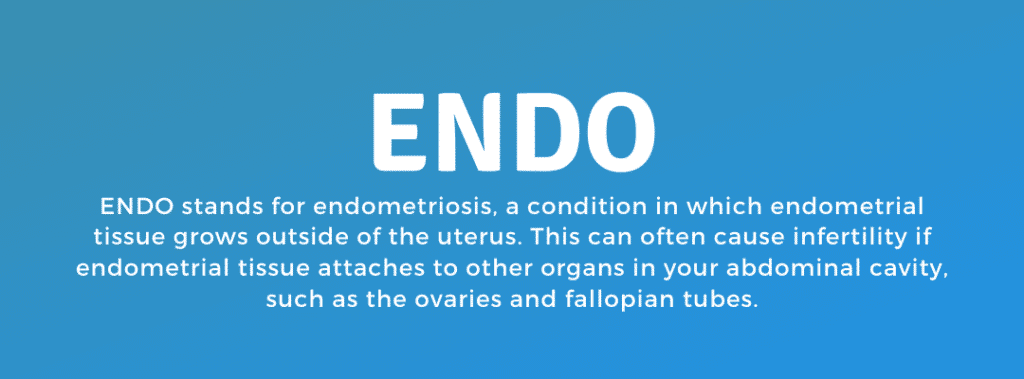
The presence of endometrial tissue (the uterine lining) in areas outside of the uterus such as the tubes, ovaries, and peritoneal cavity. This condition often causes infertility and painful menstruation. 

Endometrium:
The tissue lining the uterus. This tissue responds to the cyclic production of ovarian hormones and permits implantation of the placenta during pregnancy. Its upper layers are shed with menstruation.

Epididymis: 
A coiled, tubular organ attached to and lying on the testicle. Within this organ the developing sperm complete their maturation and develop their swimming capabilities. The matured sperm leave the epididymis through the vas deferens. 

Estradiol Level (E2 Level):
The amount of estradiol, a form of estrogen, in the blood.

Estrogens:
A group of female hormones responsible for the development of secondary sexual characteristics during puberty. Estrogen also plays an important role in stimulating the endometrium. Estrogen is produced mainly by the ovaries, from the onset of puberty until menopause.

Fallopian Tube:
Either of a pair of tubes that conduct eggs from an ovary to the uterus. Natural fertilization takes place as an egg travels through a fallopian tube.

Fertility Specialist: 
A physician specializing in the practice of fertility. The American Board of Obstetrics and Gynecology certifies a subspecialty for OB-GYNs who receive extra training in endocrinology (the study of hormones) and infertility. 

Fertilization: 
The combining of the genetic material carried by sperm and egg to create an embryo. Normally occurs inside the fallopian tube (in vivo) but may also occur in a petri dish (in vitro). 

Fetus: 
A term used to refer to a baby during the period of gestation between eight weeks and term. 
Fibroid (Myoma or Leiomyoma): 
A benign tumor of the uterine muscle and connective tissue. 

Follicles: 
Fluid-filled sacs in the ovary which contain the eggs released at ovulation. 
Each month an egg develops inside the ovary in a fluid-filled pocket called a follicle. 

Follicle Stimulating Hormone (FSH): 
A pituitary hormone that stimulates spermatogenesis and follicular development. In the man FSH stimulates the Sertoli cells in the testicles and supports sperm production. In the woman FSH stimulates the growth of the ovarian follicle. Elevated FSH levels are indicative of gonadal failure in both men and woman. 

Follicular Phase: 
The pre-ovulatory portion of a woman’s cycle during which a follicle grows and high levels of estrogen cause the lining of the uterus to proliferate. Normally takes between 12 and 14 days.

Gametes:
Sex cells that contain half of a person’s genetic information. Male gametes are called sperm; female gametes are celled eggs or ova.

Gestational Carrier:
A woman in whom a pregnancy resulted from fertilization with third-party sperm and oocytes. She carries the pregnancy with the intention or agreement that the offspring will be parented by one or both of the persons that produced the gametes. 

Gestational Sac: 
A fluid-filled structure containing an embryo that develops early in pregnancy usually within the uterus. 

Gonadotropins:
Potent fertility drugs that provide the patient with FSH and LH, or FSH alone. 

Gonadotropin Release Hormone (GnRH):
A hormone that controls the synthesis and release of the pituitary hormones, follicle stimulating hormone (FSH) and luteinizing hormone (LH). GnRH is produced by the hypothalamus.

Gonadotropin Release Hormone Agonists (GnRH Agonists):
Fertility drugs used to prevent the pituitary gland from releasing FSH and LH hormones. FSH and LH aid in normal ovulation, but may interfere with assisted reproductive treatments. 

Gonadotropin Release Hormone Antagonists (GnRH Antagonists):
Fertility drugs that like GnRH agonists, suppress ovulation. GnRH antagonists are effective at immediate preventing LH release.

Hirsutism: 
The overabundance of body hair found in women with excess androgens. 

Hormone:
A chemical substance produced by one organ in the body that regulates the activity of another organ.

Host Uterus: 
Also called a “gestational mother.” A couple’s embryo is transferred to another woman who carries the pregnancy to term and returns the baby to the genetic parents immediately after birth.

Human Chorionic Gonadotropin (HCG): 
The hormone produced in early pregnancy which keeps the corpus luteum producing progesterone. Also used via injection to trigger ovulation after some fertility treatments, and used in men to stimulate testosterone production. 

Human Menopausal Gonadotropin: 
A combination of hormones FSH and LH, used to mature eggs in some fertility treatments. 

Hypothalamus: 
A part of the brain, the hormonal regulation center, located adjacent to and above the pituitary gland. In both the man and the woman this tissue secretes GnRH. 

Hysterosalpingoram (HSG):
An x-ray procedure used to determine whether the fallopian tubes are open and of normal caliber. The physician injects dye into the uterus through the cervix. The dye passes through the tubes if they are open. An HSG can also reveal information such as the configuration of the uterus, irregularities, and the presence of fibroids.

Hysteroscopy:
A surgical procedure in which a telescope-like device is inserted through the cervix to view the inside of the uterus. This procedure is sometimes performed in conjunction with a laparoscopy.

Hysterosonogram:
A specialized type of ultrasound used to visualize the uterine cavity.

Implantation (Embryo): 
The embedding of the embryo into tissue so it can establish contact with the mother’s blood supply for nourishment. Implantation usually occurs in the lining of the uterus; however, in an ectopic pregnancy it may occur elsewhere in the body. 

Infertility:
The inability to conceive or to achieve pregnancy over a considerable period of time (typically, after one year for a female who is under the age of 35 or after six months for a female over the age of 35) despite determined attempts by intercourse without the use of contraception.

Initiated Cycles: 
Medication initiated to stimulate the ovaries to produce multiple follicles.

Intracytoplasmic Sperm Injection (ICSI):
A laboratory procedure in which a single sperm is directly inserted into an oocyte (egg cell).

In Vitro Fertilization (IVF):
A procedure in which one or more eggs, each removed from a mature follicle, is fertilized by a sperm outside the human body.

Karyotyping: 
A test performed to analyze chromosomes for the presence of genetic defects.

Laparoscopy: 
Any procedure using a laparoscope, a slender tool with an attached camera that enables a physician to see the inside of the body. Infertility specialists perform laparoscopy to view a woman’s reproductive organs. Laparoscopy can be used for diagnostic purposes or to perform surgical functions such as removing damaged tissue and releasing fluids from ovarian cysts.

LH Surge:
A spontaneous release of large amounts of luteinizing hormone (LH) during a woman’s menstrual cycle. This normally results in the release of a mature egg from a follicle (ovulation).

Lupron:
A hormonal medication that can create a pseudo-menopause. A chemical similar to GnRH, it first stimulates the female hormones, then suppresses a woman’s secretion of FSH and LH. Lupron may improve the response to stimulation, as well as preventing premature ovulation, decreasing the risk of a cancelled cycle. It may also be used to treat fibroids or endometriosis.

Lupron “Down Regulation”:
A treatment with Lupron that takes advantage of the suppression of natural hormone (LH and FSH) secretions. Used before injection of gonadotropins to stimulate follicular development.

Luteal Phase:
The days of a menstrual cycle following ovulation and ending with menses. Usually lasting between 12 and 14 days.

Luteinizing Hormone (LH):
A hormone that causes the ovary to produce estrogen and to release a mature egg (ovulation). In the male, LH stimulates testosterone production. The anterior pituitary secretes LH.

Micromanipulation:
Procedure in which an egg or an embryo is manipulated under the microscope including ICSI, Assisted Hatching, and embryo biopsy for PGD.

Microsurgical Epididymal Sperm Aspiration (MESA): 
A procedure in which spermatozoa are obtained from the epididymis by either aspiration or surgical excision. 

Miscarriage: 
Loss of a clinical pregnancy prior to 20 weeks gestation.

Motility:
The percentage of all moving sperm in a semen sample. Normally, 50% or more sperm in a sample move rapidly.

Multiple Gestation/Pregnancy:
The conception of two or more fetuses in the same woman at the same time, whether or not they result in live births.

Ovarian Failure: 
The failure of the ovary to respond to FSH stimulation from the pituitary because of damage to or malformation of the ovary. Diagnosed by elevated FSH in the blood. 

Ovarian Hyperstimulation Syndrome (OHSS):
A possible side effect of medically induced ovulation, characterized by swollen, painful ovaries and, in some cases, the accumulation of fluid in the abdomen and chest.

Ovaries:
Female sex organs that release mature eggs and produce the hormones estrogen and progesterone.

Oligo-Ovulation:
Irregular ovulation.

Oligospermia:
A condition in which the number of sperm in a semen sample is abnormally low.

Oocyte: 
The egg cell produced in the ovaries. Also called the ovum or gamete.

Ovulation:
Release of a mature egg from a follicle at the surface of the ovary.

Ovulation Induction:
The therapeutic use of female hormones to stimulate egg development and release.

Papanicolaou Smear (Pap Smear):
A screening test to evaluate the cells of the cervix to determine whether they are normal or cancerous.

Pelvic Inflammatory Disease (PID): 
An infection of the pelvic organs that causes severe illness, high fever, and extreme pain. PID may lead to tubal blockage and pelvic adhesions. 

Percutaneous Epididymal Sperm Aspiration (PESA):
A procedure in which sperm are removed from the epididymis, a long coiled tube above each of the testes, through a needle. 

Pituitary Gland: 
The master gland; the gland that is stimulated by the hypothalamus and controls all hormonal functions. Located at the base of the brain just below the hypothalamus, this gland controls many major hormonal factories throughout the body including the gonads, the adrenal glands, and the thyroid gland. 

Polycystic Ovarian Syndrome (PCO, PCOS):
A condition found in women who don’t
ovulate regularly, characterized by excessive production of androgens (male sex hormones) and the presence of cysts in the ovaries. Though PCO can be without symptoms, some include obesity, acne, excessive hair growth, irregular menstrual periods, and infertility.

Post-Coital Test (PCT):
Microscopic study of samples of cervical secretions taken several hours after sexual relations, then examined for live, moving sperm.

Preimplantation Genetic Testing (PGT): 
Screening of cells from preimplantation embryos for the detection of genetic and/or chromosomal disorders before embryo transfer.

Premature Ovarian Failure (POF):
The loss of ovarian function associated with high levels of gonadotropins and low levels of estrogen before age 35. The ovary may intermittently produce mature follicles.

Progesterone:
The hormone produced by the corpus luteum during the second half of a woman’s cycle. It prepares the lining of the uterus to accept implantation of a fertilized egg. It is released in pulses, so the amount in the bloodstream is not constant.

Prolactin:
A hormone produced by the pituitary that plays an important role in preparing the breasts, during pregnancy, for nursing. An inappropriate elevation at times other than pregnancy may interfere with normal ovulation.

Recipient: 
In an ART cycle, refers to the woman who receives an oocyte or an embryo from another woman.

Rubella Titer:
A blood test that determines if the patient is immune to rubella (German measles), a viral disease that can cause severe birth defects. If a woman is not immune to rubella, she may be advised to have a rubella vaccination, wait one month before attempting pregnancy, and the retest for immunity.

Secondary Infertility: 
The inability to conceive or carry a pregnancy after having conceived and carried one or more pregnancies.

Semen: 
The fluid portion of the ejaculate consisting of secretions from the seminal vesicles, prostate gland, and several other glands in the male reproductive tract. The semen provides nourishment and protection for the sperm and a medium in which the sperm can travel to the woman’s vagina. Semen may also refer to the entire ejaculate, including the sperm. 

Semen Analysis (SA):
A microscopic examination of freshly ejaculated semen to evaluate the number of sperm (count), the percentage of moving sperm (motility), and the size and shape of the sperm (morphology).

Sonogram (Ultrasound): 
Use of high-frequency sound waves for creating an image of internal body parts. Used to detect and count follicle growth (and disappearance) in many fertility treatments. Also used to detect and monitor pregnancy. 

Sperm:
Male sex cells, or gametes. Sperm, medically referred to as spermatozoa, are mobile haploid cells that fertilize eggs. Sperm cells provide the genetic information that determines an embryo’s sex.

Stimulation:
Administration of hormones that induce development of multiple ovarian follicles.

Superovulation: 
Stimulation of multiple ovulation with fertility drugs; also known as controlled ovarian hyperstimulation (COH).

Testicular Sperm Aspiration (TESA): 
A procedure in which spermatozoa are obtained directly from the testicle by either aspiration or surgical excision of testicular tissue. 

Testicular Sperm Extraction (TESE):
A sperm aspiration method in which a small section of tissue from one or both of the testicles is removed through one or more short incisions in the scrotum. Sperm are extracted from the tissue by an embryologist and used, through ICSI, to fertilize a woman’s eggs. TESE may work for a man who does not have mature sperm in his epididymis.

Testicles:
The two male sexual glands contained in the scrotum. They produce the male hormone testosterone and produce the male reproductive cells, the sperm.

Testicular Biopsy:
A small excision of testicular tissue to determine the ability of the cells to produce normal sperm.

Testosterone: 
The male hormone responsible for the formation of secondary sex characteristics and for supporting the sex drive. Testosterone is also necessary for spermatogenesis. 

Thyroid Gland: 
The endocrine gland in the front of the neck that produces thyroid hormones to regulate the body’s metabolism.

Urethra: 
The tube that allows urine to pass between the bladder and the outside of the body. In the man this tube also carries semen from the area of the prostate to the outside. 

Uterus:
The hollow muscular structure that carries and protects a growing fetus. The uterus, often referred to as the womb, is connected to the vagina by the cervix.

Vagina: 
The canal leading from the cervix to the outside of the woman’s body; the birth passage.

Vaginal Ultrasound:
Technique used to view the follicles, fetus, and other soft tissues by projecting sound waves through a probe inserted into the vagina. A baseline ultrasound shows the ovaries in their
normal state. A follicular ultrasound shows egg follicle maturation. A pregnancy ultrasound shows if a pregnancy is in the uterus or in a fallopian tube (an ectopic pregnancy). Ultrasound pictures can be used to measure growth.

Varicocele:
A collection of varicose veins in the scrotum which may be associated with poor sperm quality.

Vitrification:
An alternative cryopreservation (freezing) method to traditional cryopreservation. It involves a rapid cooling method that helps to prevent formation of ice crystals that cause damage to the
cell. May be used to freeze embryos and oocytes.

Zygote:
A fertilized egg or embryo, in the early stages of development.

Filed Under: Get Started Tagged With: Getting started

September 28, 2021 by grafikdev1

Common Infertility Acronyms And Abbreviations

AMH: AMH, or anti-Müllerian hormone, is the best predictor of a woman’s ovarian reserve. AMH is a protein produced by the granulosa cells in ovarian follicles. AMH blood levels are indicative of the size of the pool of follicles remaining; thus, as a woman gets older, the size of the ovarian follicle pool decreases and the AMH level also decreases, becoming undetectable at the time of menopause.


 FSH: FSH, or follicle-stimulating hormone, is released by the brain to stimulate the ovarian follicles (tiny fluid-filled sacs within the ovary containing a maturing egg) to grow and develop.

BW: Bloodwork (BW) is a vital component of your infertility work-up. The bloodwork is testing for different hormone levels, which will help your physician establish a diagnosis.

DE: DE, or donor egg, refers to donor egg treatment, which is needed by women who are unable to use their own eggs for conception, but can still carry a child in their uterus; women who have decreased ovarian function, premature ovarian failure, or genetic abnormalities; or same-sex male couples using a gestational carrier.


FSH: FSH, or follicle-stimulating hormone, is released by the brain to stimulate the ovarian follicles (tiny fluid-filled sacs within the ovary containing a maturing egg) to grow and develop.

GC: A gestational carrier is commonly used for women who are unable to carry their own child or for same-sex couples. Different than a “traditional surrogate,” gestational carriers have no biological link to the child(ren).

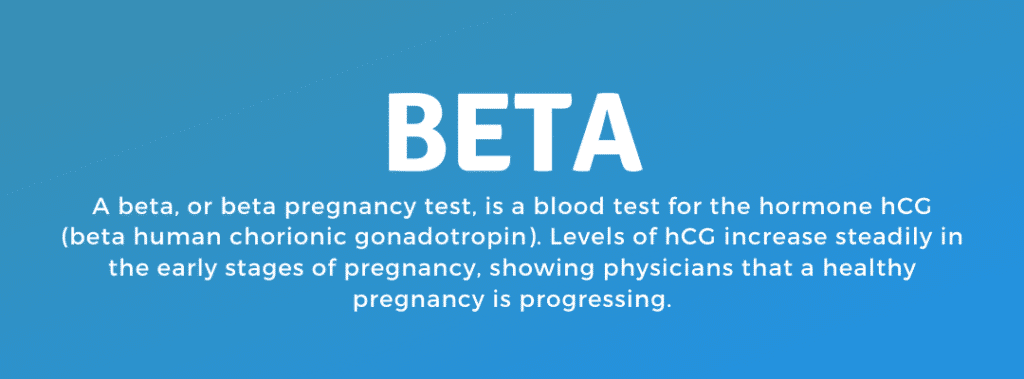
hCG: Beta Human chorionic gonadotropin, or B-hCG or simply hcg, is a hormone produced during pregnancy. Levels of hCG increase steadily in the early stages of pregnancy, showing physicians that a healthy pregnancy is progressing. A beta pregnancy test specifically looks for hCG.

HSG: A hysterosalpingogram (HSG) determines the condition of the fallopian tubes and uterus. When an HSG is performed, dye will be placed through the cervix into the uterus and fallopian tubes. An x-ray will determine if the uterine cavity is normal and the tubes are open. This is the best test to look at the tubes and also provides the opportunity to look at the shape and contour of the uterus.


ICSI: Intracytoplasmic sperm injection (ICSI) is a treatment utilized when the quantity or quality of sperm is too poor to effectively penetrate the egg on its own. An embryologist will select a single healthy sperm and inject it directly into the center of the egg. This has been an incredibly effective treatment for male factor infertility.

IUI: Intrauterine insemination (IUI) is a low-tech fertility treatment that involves placing sperm inside a woman’s uterus to facilitate fertilization. Placing the sperm directly into the uterus makes the trip to the fallopian tubes much shorter, providing the sperm with a shorter distance to reach the egg.


IVF: In vitro fertilization (IVF) is a method of assisted reproduction that involves combining an egg with sperm in a laboratory dish. If the egg fertilizes and the cells begin to divide, the resulting embryo is transferred into the woman’s uterus where it will hopefully implant in the uterine lining and further develop.


LH: Luteinizing hormone (LH) is produced by the gonadotropin cells in the pituitary gland. In women, the rise of LH (known as the “LH surge”) triggers ovulation, or the release of the eggs.

MF: MF represents male factor infertility, which can occur from structural abnormalities, sperm production disorders, ejaculatory disturbances, and immunologic disorders. Nearly 40 percent of infertility is related to male factor.

OHSS: OHSS stands for ovarian hyperstimulation syndrome, a rare complication of ovarian stimulation. This occurs when a woman develops fluid in the abdomen and has enlarged ovaries.

P4: P4, or the hormone known as progesterone, is tested to determine the following:

  • if ovulation has occurred
  • when ovulation has occurred
  • if there is a normally growing pregnancy
  • if there has been an ectopic pregnancy
  • if there has been a miscarriage

Progesterone levels will surge before ovulation and should continue to rise if you become pregnant.

PCOS: Polycystic ovary syndrome (PCOS) is a disorder in which the ovaries produce excessive amounts of male hormones and the ovaries develop many small cysts. These hormonal imbalances can prevent ovulation.


PGS: Preconception genetic screening (PGS)is a state-of-the-art procedure used in conjunction with IVF to select embryos that are free of chromosomal abnormalities and specific genetic disorders, in order to transfer the embryo to the uterus.

PGD: Preimplantation genetic diagnosis (PGD) Can test prospective parents for many different diseases and syndromes. Genetic screening may test for traits that are common in certain ethnic groups that are recessive, or that may have some likelihood of causing serious diseases in affected offspring.

RPL: Recurrent pregnancy loss (RPL) is defined as two or more consecutive, spontaneous pregnancy losses before the pregnancies reach 20 weeks. Recurrent miscarriages can be attributed to a variety of factors, including a genetic defect, an abnormally-shaped uterus, fibroids, scar tissue, hormonal imbalances, and more.

SA: A semen analysis (SA) must be performed prior to a treatment cycle in order to evaluate the sperm’s potential to fertilize an egg. A semen analysis tells your physician the number of sperm that are present, whether they are normal, and how well they move.

SI: Secondary infertility (SI) is defined as the inability to become pregnant—despite engaging in unprotected intercourse—following the birth of one or more biological children who were born without the aid of fertility treatment or medications.

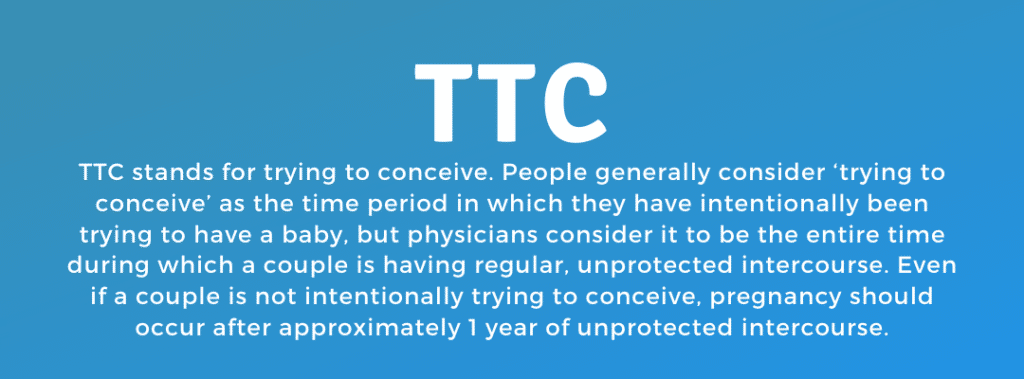
TTC: TTC stands for trying to conceive. People generally consider ‘trying to conceive’ as the time period in which they have intentionally been trying to have a baby, but physicians consider it to be the entire time during which a couple is having regular, unprotected intercourse. Even if a couple is not intentionally trying to conceive, pregnancy should occur after approximately 1 year of unprotected intercourse.


2WW: 2WW is also known as the two week wait. It takes about two weeks from the time a fertilized egg implants in the uterine wall to start emitting enough of the hCG hormone to be detected by the beta blood pregnancy test. After the two weeks have passed, physicians can be reasonably sure that a pregnancy test result is accurate. This can often be one of the most stressful parts of treatment for patients, as they are waiting to discover if they have become pregnant.

US: Ultrasounds (US) are useful, not only during ovarian reserve testing, but also to detect abnormalities of the ovaries, uterus, and other structures in the pelvis.

Filed Under: Get Started Tagged With: Getting started

September 28, 2021 by grafikdev1

The facts about infertility

Infertility is often a misunderstood topic. Confusion and inaccurate information abound that can cloud the facts. At Shady Grove Fertility, we encourage you to do your homework and become informed with accurate, reliable, truthful information about infertility. We are hopeful your physician, your health care team, and this website will serve as a wonderful resource for you.

11 fertility facts

Infertility is often a misunderstood topic. Confusion and inaccurate information abound that can cloud the facts. At Shady Grove Fertility, we encourage you to do your homework and become informed with accurate, reliable, truthful information about infertility. We are hopeful your physician, your health care team, and this website will serve as a wonderful resource for you.

Fact #1: Infertility doesn’t discriminate.

Infertility is a disease of the reproductive system and it affects both men and women. For this reason, during the initial infertility work-up, it is imperative to test the male partner’s fertility as well as the female partner’s fertility. In 40 to 50 percent of infertility cases, male factor is the cause, making it necessary to review the male’s test results—in addition to the female’s—as part of the diagnostic work-up.

Fact #2: You are not alone.

It seems that everyone knows someone who has had trouble conceiving. On average, one in eight couples of reproductive age will be infertile. However, our experience at Shady Grove Fertility is if couples seek treatment, most will be successful in having a baby. Patient advocacy groups and online patient networks are great resources for information about support and finding other couples experiencing infertility. Remember, you are not alone.

Fact #3: The female partner’s age is a key indicator of future success.

You will find this fact emphasized throughout this website and it cannot be repeated often enough. The single most common misconception among women is that they can achieve a pregnancy at any age. Unfortunately this is not true. A woman’s fertility naturally decreases with age and fertility treatment results follow the same downward trend; they decrease beginning in the early 20s and drop more rapidly after 35. Even with in vitro fertilization (IVF), pregnancies over the age of 42 are uncommon. But what about those Hollywood stars who are having babies at 45, 48, and even 52? Those women are most likely using donor eggs or froze their eggs when they were younger.

Fact #4: Even if you’ve already had a child, secondary infertility is possible.

Secondary infertility—the inability to get pregnant naturally or carry a pregnancy to term after successfully conceiving one or more children—is actually quite common. According to RESOLVE: The National Infertility Association, approximately 12 percent of women in the United States have secondary infertility, and it accounts for more than half of all infertility cases. However, unlike those with primary infertility, people affected by secondary infertility are much less likely to seek infertility treatments. For some, this is out of guilt or shame, for others it’s because of confusion surrounding how infertility could now exist even though they already have a child. In reality, a number of things can cause secondary infertility, including advanced maternal age, damaged or blocked Fallopian tubes, problems with ovulation, endometriosis, and problems with sperm production.

Fact #5: Knowing when to seek help gives you the most options.

For women younger than 35, infertility is defined as 12 months of unprotected intercourse without conception occurring. For women older than 35 to 39, it is defined as 6 months of unprotected intercourse without conception. For women 40 and older, we recommend seeing a specialist right away.
Additionally, it is important to realize that the definition of trying to conceive does not mention frequency or timing of intercourse, the use of ovulation predictor kits or temperature charts, checking the mucus, or any other methods other than having unprotected intercourse. Therefore, a couple having regular, unprotected intercourse is effectively “trying to conceive” whether they realize it or not.
Further, if a woman is experiencing irregular periods (or none at all) or has experienced two or more miscarriages, she should speak with a fertility specialist, regardless of how long she and her partner have been trying to conceive.
Lastly, as for knowing when to seek treatment, early intervention can make all the difference in your ability to get pregnant sooner. In many cases, a referral from your OB/GYN is not required and the initial consult is covered by insurance 90 percent of the time. In fact, 50 percent of SGF patients self-refer.

Fact #6: Knowing where to seek medical help is critical. Investigate the center’s reputation, expertise, experience, and outcomes.

Women who are trying to conceive have options for the type of specialist they choose to visit first: many women begin at their OB/GYN or primary care provider, while some will go directly to a reproductive endocrinologist or fertility center. Most doctors will begin the same way, ordering an infertility work-up of the male and female partners to uncover any potential causes of infertility. The OB/GYN may perform surgery to improve physical conditions, or possibly prescribe clomiphene citrate (Clomid, Serophene) treatment to induce ovulation or to overcome a very mild form of male factor infertility. If pregnancy is not achieved after 3 months of Clomid or if the woman’s age is a factor, it’s best to be under the care of a fertility specialist. In fact, more and more OB/GYNs are referring patients to Shady Grove Fertility when infertility is first suspected, citing the advantages of patients going to a specialist whose entire practice is focused on infertility. Infertility impacts couples medically, emotionally, and financially. You want to be sure that you are going to the best place for you and your partner.
From a medical perspective, evaluate your doctor’s training, the clinic’s track record of success, and their treatment volume. At Shady Grove Fertility, the volume of patients we care for gives us tremendous insight into the best fertility practices. The data we can collect in a few months may take many other centers/physician groups years to gather.
From an emotional perspective, what kind of support resources do they offer and is it integrated into the practice or part of an outside service? Are you comfortable with interactions you’ve had with staff? Cost is a big issue—do you get the sense they are on your team when it comes to insurance and payment options? Most importantly, seek a recommendation from people you trust: your OB/GYN or friends who have gone to the fertility center.

Fact # 7: Insurance may not cover fertility treatment, but there are many affordable options.

Shady Grove Fertility participates with more than 30 insurance companies, and 70 percent of our patients have some coverage for testing, treatment, or medications. For those patients without insurance benefits, we offer many exclusive financial options, including guarantee programs and multi-cycle and medication discounts, even assistance programs such as Shared Help for people with limited income. It is part of our mission at Shady Grove Fertility to make treatment as affordable and accessible to as many people as possible.

Fact #8: IVF is typically not the first step.

Many patients will begin with basic treatment, achieve a pregnancy, and never have a need for in vitro fertilization (IVF), which is considered an advanced treatment. However, some patients may need to go straight to IVF or donor egg treatment due to their diagnosis, such as blocked Fallopian tubes or advanced maternal age. At Shady Grove Fertility, we practice a stepped-care approach, always balancing your chances of success with the simplicity of the procedure. While IVF offers outstanding success rates, it may not be necessary. In fact, more than 50 percent of the treatment cycles our physicians perform are considered basic treatments.

Fact #9: IVF is not experimental but a proven, reliable treatment method with success rates continuously on the rise.

Since Louise Brown was first born from IVF in 1978, the reproductive medicine field has seen remarkable technological advances that have made it possible for millions of couples to conceive through assisted reproductive technology (ART). Pregnancy rates from fertility treatment have nearly doubled since the advent of IVF, and intracytoplasmic sperm injection (ICSI) has nearly eliminated the need for donor sperm in severe cases of male infertility.

Fact #10: IVF does not always mean multiples and the incidence of multiple pregnancies is drastically decreasing.

Shady Grove Fertility has nearly eliminated the incidence of high-order multiple births by leading the charge in transferring only one embryo, called elective single embryo transfer, or eSET, whenever possible.

Fact #11: More of the same treatment is not always better.

When you are going through any fertility treatment, it is important to understand that your chances for pregnancy are most likely going to be optimized by three to six treatment cycles. If pregnancy isn’t happening and your health care team has not discovered any new information to help improve the current treatment plan, it is time to move on to the next option.

Filed Under: Get Started Tagged With: Getting started

September 27, 2021 by grafikdev1

Let us take you back, if only briefly, to the awkward days of your youth squirming in your seat as you learned about human reproduction and the anatomy of the male reproductive system for the first time. Consider this a brief lesson in review.

In contrast to the female whose sex organs site entirely inside the body, the male reproductive organs, also called the genitals, sit both inside and outside his body and include his:

  • Testicles
  • Duct system—made up of the epididymis and the vas deferens
  • Accessory glands, which include the seminal vesicles and prostate gland
  • Penis

The two testicles, also called testes, are oval-shaped and grow to be about 2 inches (5 centimeters) in length and 1 inch (3 centimeters) in diameter. The testicles, which produce and store millions of sperm cells, are also part of the endocrine system given that they also have responsibility for producing hormones, such as testosterone.

Near the testicles are the epididymis—an organ that stores sperm while they mature—and the vas deferens—a part of the duct system that transports semen (a fluid that typically contains sperm) from the epididymis to the penis.

The epididymis and the testicles are located outside the male body in the scrotum—a pouch of skin that holds the testicles and regulates their temperature. (A cooler temperature is needed to produce sperm; you should avoid overheating if you are trying to conceive.)

The accessory glands, which include the seminal vesicles and the prostate gland, surround the ejaculatory ducts (the canal through which a man ejaculates semen) at the base of the urethra (a channel that carries semen and urine outside the body by way of the penis). The seminal vesicles add nutrient fluid to semen during ejaculation. The prostate gland secretes an alkaline fluid that makes up part of the semen and enhances the movement (motility) and fertility of sperm.

The penis is where semen and urine exit the body through the urethra. The inside of the penis is made of a spongy tissue that can expand and contract.

The Endocrine System

The endocrine system refers to the collection of glands that secrete hormones directly into the circulatory system to be carried towards distant target organs. The major endocrine glands include the pineal gland, pituitary gland, pancreas, ovaries (in females), testes (in males), thyroid gland, parathyroid gland, hypothalamus, and adrenal glands.

As part of the endocrine system, there are four main hormones that are responsible for sperm production:

Gonadotropin (GnRH): Gonadotropin, which is released from the hypothalamus, plays a vital role in human sperm production as it coordinates the release of the other hormones that are also involved in the production of sperm, specifically luteinizing hormone (LH) and follicle-stimulating hormone (FSH) that are released from the pituitary gland.

Follicle-stimulating hormone (FSH): Produced in the pituitary gland, this hormone plays a vital role in the production of sperm and stimulates the germ cells in both males and females to mature.

Luteinizing hormone (LH): In men, LH works together with FSH to produce sperm.

Testosterone: As a male makes his way through puberty, testosterone plays a major role and his testicles start producing more and more of this important hormone. Testosterone is another hormone that stimulates the production of sperm. As well, testosterone is very important for the development of the male reproduction tissues like prostate and testes.

Discover What’s Possible Connect with Shady Grove Fertility
Schedule Appointment
or 1-888-761-1967

Filed Under: Get Started Tagged With: Getting started, Male factor infertility

  • « Go to Previous Page
  • Page 1
  • Page 2

Company

  • About SGF
  • About US Fertility
  • Our Doctors
  • Fertility Equity
  • Careers
  • Newsroom
  • SGF College Scholarship
  • Contact Us
  • Voice Your Feedback

Treatments

  • Egg Freezing
  • Intrauterine Insemination (IUI)
  • In Vitro Fertilization (IVF)
  • Frozen Embryo Transfer (FET)
  • LGBTQIA+ Family Building
  • Shared Risk 100% Refund Program
  • All Treatments

Resources

  • Patient Portal
  • Online Bill Pay
  • Library
  • Support Groups & Events

Locations

  • California
  • Colorado
  • Delaware
  • Florida
  • Georgia
  • Maryland
  • North Carolina
  • Pennsylvania
  • Texas
  • Virginia
  • Washington, D.C.

2026 Shady Grove Fertility

  • Policies & Notices
Also of interest
  • In Vitro Fertilization IVF
  • Fertility Tests
  • Research Publications