• Skip to primary navigation
  • Skip to main content
  • Skip to footer
Shady Grove Fertility
  • Become an Egg Donor
  • Referring Physicians
  • 1-888-761-1967
  • Schedule Appointment
  • Get Started
        • Get Started
          • Causes of Infertility
          • Fertility Tests
          • When to Seek Help
          • Find a Doctor
          • Preconception and prenatal vitamins 
          • Schedule an Appointment
        • Personalized Care For
          • Single Parents
          • LGBTQIA+ Family Building
          • People with Cancer
          • Known Genetic Diseases
          • Egg Donors
  • Treatments
        • Fertility
          • Timed Intercourse
          • Ovulation Induction
          • Intrauterine Insemination (IUI)
          • In Vitro Fertilization (IVF)
          • Frozen Embryo Transfer (FET)
        • Donation & Surrogacy
          • Donor Sperm
          • Donor Egg
          • Donor Embryo
          • Gestational Carrier
          • LGBTQIA+ Family Building
          • Single Parents
          • Find a Donor
        • More Treatments
          • Center for Male Fertility
          • Egg Freezing
          • OncoFertility
          • Preimplantation Genetic Testing
          • MIGS
          • All Fertility Treatments
  • Resources
    • Resource Library
    • Events Calendar
    • Patient Stories
    • Mental Health
    • Wellness Center
  • Insurance & Savings
    • Insurance & Benefits
    • Shared Risk 100% Refund Program
    • 100% Refund for Donor Egg
    • Discounts
    • Egg Freezing Costs
    • Financing & Grants
    • Clinical Trials
  • About
    • Find a Doctor
    • About SGF
    • Our Care Team
    • Advanced Practice Providers
    • Fertility Equity
    • Philanthropy
    • Newsroom
    • Careers
    • Contact Us
    • Voice Your Feedback
  • Locations
        • Find a Location
        • California
        • Colorado
        • Delaware
        • Florida
        • Georgia
        • Maryland
        • North Carolina
        • Pennsylvania
        • Texas
        • Virginia
        • Washington, D.C.
        • Chile
        • International & Out of State
        • SGF at Walter Reed National Military Medical Center
  • Patient Hub
    • Online Bill Pay
    • Patient Forms
    • Patient Portal
  • Call your care team
  • Become an egg donor
  • Referring physicians
  • search-icon
  • Schedule appointment 1-888-761-1967

Home / Egg freezing / Page 13

Egg freezing

November 13, 2015 by Shady Grove Fertility

“The purpose of the egg freezing conference, and all of our educational events, is two-fold—First, for women to gain knowledge about their fertility and to learn about the option to freeze their eggs; secondly, to decide if egg freezing is the right choice for them. By educating women with the facts and science behind egg freezing, they have the opportunity to make a decision that could change their life.” – Joseph Doyle, M.D.
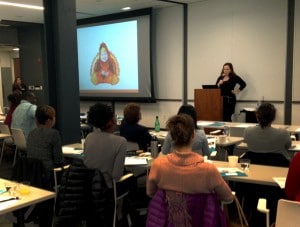
Sarah Elizabeth Richards presenting on the questions women tend to get asked around Thanksgiving.

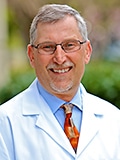
On Sunday, November 8, 2015, Shady Grove Fertility’s Joseph Doyle, M.D. (Rockville, MD), was joined by four other presenters—Sarah Elizabeth Richards, author of Motherhood, Rescheduled and contributor to national media outlets such as Today.com, and publications such as Time, Marie Claire, and Elle; Eric A. Widra, M.D., Medical Director of Shady Grove Fertility; Shruti Malik, M.D. (Fair Oaks, VA); and Radell Peischler, former SGF egg freezing patient—to discuss egg freezing from many different perspectives. The goal of the Egg Freezing Conference hosted by Shady Grove Fertility was to address the growing need in the Washington, D.C. area for education on this increasingly popular option for women. Attendees of the conference gained an inside look at all aspects of egg freezing.

Sponsored by Ferring Pharmaceuticals, Freedom Fertility Pharmacy, and EMD Serono, and hosted at the modern, yet comfortable and intimate District Architecture Center in Washington D.C., conference guests had the opportunity to hear from keynote speaker Sarah Elizabeth Richards, who provided a first-hand perspective of egg freezing, described what she has learned from the dozens of women she has interviewed about egg freezing, and explained how this growing movement has been shaped from a cultural and societal standpoint. Following Richards, Dr. Widra explained female reproductive physiology and how egg freezing can help to preserve a woman’s fertility.

“Ten years ago I wouldn’t have believed that I would be presenting to the community about egg freezing, but the technology has advanced in such a significant way that we can now provide verifiable cycle data and success rates.” – Eric A. Widra, M.D.

The biggest takeaway from the Egg Freezing Conference
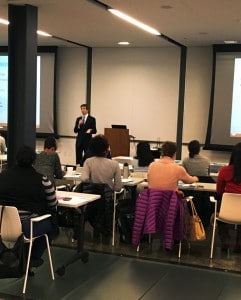
Dr. Doyle presenting on the success rates of frozen eggs.

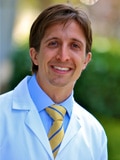
Dr. Joseph Doyle described the science of vitrification technology and detailed how and why the program has seen such growth in the past few years. He elaborated how this technology has led to remarkable success rates, with over 60 babies born from autologous frozen eggs at the practice and over 1,000 egg freezing cycles. In addition, Dr. Doyle shared very exciting data that will soon be published in the esteemed medical journal Fertility & Sterility, including how many frozen eggs a woman needs to reach a pregnancy, based on her age and number of eggs frozen. This data is from the largest study published in the United States regarding pregnancy rates from autologous frozen eggs. Once the study is published, we will share information with everyone on the Shady Grove Fertility egg freezing email list.

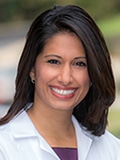
Dr. Shruti Malik, a former egg freezer herself, went on to provide egg freezing conference attendees with a comprehensive look at the clinical process from a patient’s perspective, covering the medications a patient would take, details about the egg retrieval, and what to expect during an egg transfer procedure.
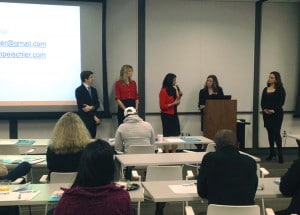
The Q&A Panel

The conference included a presentation about exclusive financial programs available to Shady Grove Fertility egg freezing patients and a personal testimonial from former Shady Grove Fertility patient, Radell Peischler, who, since being a patient, has become an egg freezing advocate and well-known blogger.

The egg freezing conference concluded with an in-depth question and answer session in which attendees could submit anonymous questions of our expert panel.

  • View the financial options available for egg freezing
  • E-newsletter sign up to receive weekly emails with the latest egg freezing information and events

If you would like more information about egg freezing or would like to schedule an appointment, please fill out this brief form or call 1-877-411-9292.

Filed Under: Treatment Tagged With: Egg freezing

November 4, 2015 by Shady Grove Fertility

On Thursday, October 22, the Today Show discussed the news that Intel will quadruple fertility benefits for employees beginning January 2016. With this expansion, Intel will join Silicon Valley giants, Apple, Facebook, and Yahoo! to include coverage for female employees to freeze their eggs, a fertility option that is often not covered by insurance.

In the past year, Apple, Facebook, and Yahoo! made headlines when they announced they would pay for their female employees’ egg freezing procedures. Now, another tech leader, Intel, made sweeping changes to their employees’ healthcare plans, quadrupling their current coverage with $40,000 in fertility benefits, $20,000 for fertility drug coverage, and $15,000 for adoption fees.

On the Today Show, Intel’s Richard Taylor said, “this initiative is designed to help our employees at a time when any research says it’s very stressful specifically (for) people trying to start a family.”

With the news that elective egg freezing will be covered, questions often arise about the cost, viability, and future pregnancy rates of frozen eggs. As women age, their ability to conceive naturally declines; typically, this decline steepens at the age of 35. In 2012, the American Society for Reproductive Medicine lifted the “experimental” label on elective egg freezing as the use of a flash-freezing method called vitrification proved to increase viability of the frozen eggs. Women in their late 20s, 30s, and early 40s are now discovering that when it comes to starting a family, they can extend their fertility and family building options through egg freezing.

One Entrepreneur’s Plan to Freeze Her Eggs

Many women feel as if a giant clock is continuously ticking (the biological clock), however, with egg freezing, women are feeling more empowered to pursue their career, education, travel, and relationships while holding on to the dream of motherhood for when the timing is right. This is especially true for Jami Texter, a Manhattan-based marketing and publications entrepreneur, “I can’t wait to be a hands-on mother, but I know that time is not now. I don’t want to leave things up to chance, so I’m buying peace of mind.”

Jami’s has been proactive in planning for her future. Only 30 years old, she says, “If I’m not ready to have [kids] by the time I’m 34, I’m going to freeze my eggs.”

The Cost of Frozen Eggs 

Women aren’t only concerned about their future families but the financial stress it may take today to help preserve their fertility. Fortunately, progressive fertility centers have recognized the need for financial reassurance and relief and, in late 2013, began offering programs to help patients.

At Shady Grove Fertility, a range of financial options are available for women considering egg freezing.  In addition, financing is available, providing women with a monthly payment option to further increase access to affordable care.

Pregnancy Rates of Frozen Eggs

Egg freezing with vitrification is just over 3 years old, so until recently, when a savvy woman would ask her physician about success rates the data was simply not available. However, at last month’s American Society for Reproductive Medicine’s annual meeting, Shady Grove Fertility released a groundbreaking study, releasing pregnancy rates of autologous (non-donor egg) patients. The first and largest published study of its kind, the results showed pregnancy success rates for women who used frozen eggs were similar to those who used fresh eggs. Furthermore, there is now data to educate egg freezing patients about how many live births to expect based on age and number of eggs frozen. Now, when women ask about results, there’s data to back it up.

About the Today.com Story Author: Sarah Elizabeth Richards

Sarah Elizabeth Richards a trusted voice and thought leader when it comes to egg freezing, often sharing her experience and latest news about egg freezing in The New York Times, Marie Claire, Bloomberg Businessweek, and most recently on Today.com. She also authored the book Motherhood, Rescheduled: The New Frontier of Egg Freezing and the Women Who Tried It, which chronicles the accounts of four women who elect egg freezing, and examines how life might change if a woman could stop the biological clock.

  • Meet Sarah, the key note speaker at Shady Grove Fertility’s 2nd Annual Egg Freezing Conference in Washington, D.C., on Sunday, November 8, 2015.

To learn more about Shady Grove Fertility’s Egg Freezing Program join us on Sunday, November 8 in Washington, D.C. for our second annual Egg Freezing Conference with special guest Sarah Elizabeth Richards.

Filed Under: Treatment Tagged With: Egg freezing

October 28, 2015 by Shady Grove Fertility

Shady Grove Fertility’s Shruti Malik, M.D., of our Fair Oaks, VA, office is featured in The Washington Post’s Solo-ish podcast: Thinking of freezing your eggs? Here are some women who’ve done it.

Followers of The Washington Post’s Solo-ish section know it’s the place to find answers to all the dating and relationship questions singles face. On the recently launched Solo-ish podcast, Thinking of freezing your eggs? Here are some women who’ve done it, editor Lisa Bonos discusses everything you need to know about egg freezing—making the decision to freeze, the toll freezing eggs may take on your everyday life, and how the process works, as well as both the short- and long-term medical and psychological benefits.

Searching for Love

The conversation begins with fellow Post writer Ellen McCarthy, whose  new book chronicles her career as a wedding columnist as she searches for love, telling her own journey of egg freezing. McCarthy candidly discusses how much the ‘stigma’ associated with egg freezing has changed over the years and how she found support from family and, surprisingly, her male friends.

Four years later and now married with two children McCarthy admits she doesn’t know if she will use her banked eggs, but still encourages women to learn about the process and their options. According to McCarthy, the release of pressure she felt from freezing her eggs and preserving her fertility was invaluable and is an important part of her journey.

The Basic History of Egg Freezing

When the conversation shifts to the nuts and bolts of egg freezing, Shady Grove Fertility’s own Dr. Shruti Malik, a previous egg freezer herself, joins to explain exactly what the procedure is, who it is for, why it is safe, and what every woman needs to know about her fertility. Bonos begins her interview with Dr. Malik asking why egg freezing appears to be more popular recently. Malik agrees that the procedure has certainly become more mainstream as a result of the lifted experimental label and recent results provide women with a level of comfort. She continues to explain the prior freezing methods damaged the egg and resulted in lower success rates. Since 2012, many advances in freezing technology—including vitrification and improved lab cultures and storage—have contributed to the greatly improved outcomes.

What to Expect When Freezing Your Eggs

Dr. Malik goes on to explain the process from a patient’s perspective. After consulting with a physician and reviewing the results of ovarian testing and a blood test, a woman will take medication to mature as many eggs as possible for that cycle. Medication includes 2 to 3 weeks of birth control pills, followed by 10 to 12 days of daily hormone shots. Regarding the shots, Dr. Malik assures listeners, “They aren’t as bad as they seem. I promise.”

While the patient is stimulating her ovaries to produce more eggs, she will begin a series of ultrasounds and blood tests every 3 to 4 days, then every other day, and finally every day towards the end of the stimulation phase. On the day of her egg retrieval, the patient will be lightly sedated for the non-invasive procedure. A friend will drive her home and the vitrified eggs will go into our secure storage.

Addressing some of the myths and misinformation about fertility and egg freezing, Dr. Malik concluded the discussion stating there is no evidence that egg freezing would hamper future fertility and that even a healthy lifestyle cannot secure fertility. Dr. Malik encourages women in their late-20s and early- to mid-30s who are curious about egg freezing to consult a physician and take the preliminary tests.

Listen to Dr. Malik’s complete interview here:

Don’t miss Shady Grove Fertility’s 2nd Annual Egg Freezing Conference on Sunday, November 8th in Washington, D.C. Click to learn more or register for the conference. To schedule an appointment, call 1-877-411-9292 or fill out this brief form.

Filed Under: Treatment Tagged With: Egg freezing

October 23, 2015 by Shady Grove Fertility

Register for the 2015 Shady Grove Fertility Egg Freezing Conference. The Conference will take place on Sunday November 8, 2015, from 10:30 a.m. – 1:30 p.m., at the District Architecture Center in Washington, D.C. The conference will feature a series of discussion panels on egg freezing; time to converse with physicians, past patients, and other attendees; and a question and answer session with leading experts in the field. Breakfast will be served.

This event is intended to provide women who are seeking information about egg freezing as a future family building option the answers and support they are searching for. Our program will include:

Welcome Address

Get acquainted with other attendees. Grab a mimosa, fruit, and a seat.

A National Perspective of Egg Freezing

Shady Grove Fertility welcomes back Sarah Elizabeth Richards to Washington, D.C., for the Egg Freezing Conference. Ms. Richards, New York Times contributor and author of Motherhood, Rescheduled provides conference attendees with a national perspective of egg freezing, where it has been and where it is going, as well as the long-term benefits of making the decision to freeze.

From Fertility Basics to the Egg Freezing Cycle and Success Rates

A panel of Shady Grove Fertility physicians including, Eric Widra, M.D., Shady Grove Fertility’s Medical Director, Joseph Doyle, M.D., and Shruti Malik, M.D. will be discussing everything you need to know about your fertility, what the egg freezing process looks like, and what you can expect in regard to pregnancy rates using your frozen eggs.

At a national level, Dr. Widra has served as Chair of the Society for Assisted Reproductive Technology (SART) Practice committee, a member of the SART Executive Committee, and a member of the American Society for Reproductive Medicine (ASRM) Practice Committee.  Dr. Widra is a leader in the field of reproductive endocrinology. Dr. Widra will discuss Fertility 101, the basics of fertility, and why egg freezing matters and how it can be beneficial.

 Dr. Doyle has been active in the development of the Egg Freezing Program at Shady Grove Fertility and is very involved with advancing the science through research. In fact, recently, Dr. Doyle worked with the Shady Grove Fertility Research Team to produce the largest study of autologous frozen egg results. The findings proved that pregnancy rates from frozen eggs are just as good as fresh eggs. In this study Dr. Doyle also formulated expected pregnancy rates by age as well as the number of children a woman can expect from her frozen eggs depending on how many eggs she froze, as well as her age. Dr. Doyle will be discussing the Egg Freezing Program at Shady Grove Fertility as well as thaw outcomes and pregnancy rates.

Dr. Malik Dr. Malik has received several honors, including the University of Pittsburgh Medical Center Physician Services Division Scholarship, the Society of Laparoscopic Surgery Outstanding Surgeon Resident Award, and the Cleveland Society of OB/GYN Women’s Health Service and Leadership Award. She has presented her research on fertility preservation and sexual dysfunction at several national meetings.Dr. Malik will be discussing the specific process of egg freezing at Shady Grove Fertility, from a reproductive endocrinologist’s perspective. From a personal perspective, Dr. Malik will share why she chose to freeze her eggs and how ovarian reserve test results can influence your decision to freez


Financial Options

Michele Purcell, B.S.N., R.N., M.H.A. and Shady Grove Fertility Egg Freezing Program Director, explains the costs of treatment and medication, as well as the many unique financial options including creation of the unique financial program, Assure Fertility, that Shady Grove Fertility has to offer.


A Local and Personal Perspective

© 2015 | Kristina Sherk Photography | www.Kristinasherk.com

Radell Peischler, a D.C. local philanthropist, entrepreneur, world traveler, and embracer and blogger of her own egg freezing experience, shares how egg freezing has influenced her life and what helped her decide to take the first step to freezing.


Q&A Panel with Conference Presenters

Attendees will have the opportunity to ask questions of Sarah, Dr. Widra, Dr. Doyle, Dr. Malik, Keigan, and Radell in a Q&A session.

Upon conclusion of the Q&A session, attendees will have the opportunity to meet one-on-one with physicians, visit our sponsor booths, and get to know one another.  

If you are interested in attending this one-of-a-kind conference, please register as soon as possible. Attendance is free, but space is limited. We look forward to seeing you there!

Discuss your questions and/or concerns with a New Patient Liaison by filling out this form or calling 1-877-411-9292.

Filed Under: Treatment Tagged With: Egg freezing

October 21, 2015 by Shady Grove Fertility

A New Shady Grove Fertility Study Confirms Fresh and Frozen Eggs Yield Similar Pregnancy Rates

Technology that allows patients to preserve eggs or embryos is not new. However, in the past, pregnancy rates from frozen eggs and embryos using older freezing technology were inferior to those from fresh eggs and embryos. Poorer outcomes were due largely to damage caused by ice crystals formed during the slow-freeze cryopreservation process. Vitrification, a fast-freeze technology, was introduced in 2009, and when used by laboratories expert in the technique, vitrification essentially eliminates the formation of ice crystals and results in improved success rates from vitrified eggs and embryos.

Non-Donor Frozen Eggs Produce High Success Rates

Previous studies have evaluated pregnancy rates from vitrified donor eggs. Egg donors are generally younger fertile women who have been rigorously screened to ensure their eggs will provide optimal pregnancy rates. Since eggs from this population of women are, by definition, high quality, it is not surprising that even following vitrification and thaw, they result in high rates of success.

This new study evaluated success from eggs that women opted to have vitrified for their own future use.  With 128 autologous (a.k.a. using one’s own eggs) fertility preservation cycles analyzed, this constituted one of the largest studies of its kind. Researchers evaluated success from vitrified eggs among of three patient groups:

  • Women delaying child-bearing who wanted to preserve the possibility of having children from their own eggs at a later date
  • Patients desiring limited insemination of eggs to reduce the number of embryos formed
  • Patients with an unexpected lack of sperm at retrieval

The study showed that outcomes from autologous vitrified eggs were as good as those obtained by women of the same age who used ‘fresh’ (never vitrified/thawed) eggs. Specifically, the rates of fertilization, implantation, pregnancy, and birth were all as high among women who used vitrified eggs as the rates of women who used fresh eggs.

Armed with this information, women seeking fertility preservation for elective egg freezing, couples who need to freeze unexpectedly, as well as those who freeze intentionally to limit the number of embryos formed can rest assured that their chances of success are not impaired by using frozen eggs.

Understand How Many Frozen Eggs a Woman Needs to Build a Family

In addition to showing promising pregnancy rates with frozen eggs, the study also established a correlation between maternal age at the point of egg freezing, the number of eggs frozen, and the number of pregnancies that could potentially result. Previously, physician used generalizations, but now patients have access to real data that enables them to make more informed decisions to determine whether additional treatment cycles are needed to increase the number of eggs they have frozen. For example, a woman between the ages of 35 and 37 with 18 eggs frozen has approximately a 70 percent chance of having one child, a 40 percent chance of having two children, and a 15 percent chance of having three children. Based on this data, if she wants to increase her odds of having more than one child, she may consider an additional egg freezing cycle to increase the number of frozen eggs and statistically increase the probability of having more children.

About the American Society for Reproductive Medicine (ASRM) Annual Meeting

ASRM 2015 is the premier National education and research meeting for the field of Reproductive Endocrinology and Infertility. Plenary lectures will address state-of-the-art issues in reproductive medicine and science.

The outlook for patients with infertility continues to brighten year after year, thanks to the thousands of professionals who dedicate their lives to improving outcomes for fertility treatment.  The range of ASRM’s expertise and influence draws from doctors, nurses, and researchers to business experts, pharmaceutical companies, advocacy organizations, and, of course, patients themselves. Shady Grove Fertility continues to play a leading role in clinical research and practice policy at the national level.

If you would like to schedule an appointment with a fertility specialist, please speak with one of our New Patient Liaisons at 877-971-7755.

Filed Under: Treatment Tagged With: Egg freezing

October 8, 2015 by Shady Grove Fertility

NPR: “Women Find A Fertility Test Isn’t As Reliable As They’d Like”

In order to determine if egg freezing is a good choice for them, all Shady Grove Fertility egg freezing patients have measured their reproductive hormone levels via ovarian reserve testing.

This week, NPR Health reported on the ovarian reserve test—a test that impacted Shady Grove Fertility patient, Samantha Margolis, and her decision to freeze her eggs. Earlier this year, Samantha learned that both her mother and grandmother went through early menopause, which was concerning because studies show that there is a genetic component to the age at which a woman goes through menopause. Generally, fertility starts declining more quickly after the age of 35, and after 40, the rates of natural conception are very low. For women experiencing early or premature menopause, their ability to conceive naturally declines at an earlier age.

So when Samantha, age 36, received the news from her physician, Kate Devine, M.D. (Shady Grove Fertility’s Washington, D.C. – K Street Office), that her egg supply score was lower than anticipated, she was alarmed.

At first, Samantha wasn’t sure what to do—should she freeze now, or wait? Dr. Devine provided her with some honest feedback and encouragement, “I’m not an alarmist, but I would do this, and I would do it as soon as you can. I wouldn’t wait.”

The results of the testing led Samantha to wish she had been able to test her ovarian reserve at a younger age with her gynecologist.

Why isn’t ovarian reserve testing part of standard gynecological care?

Part of the reason this test hasn’t been incorporated as a standard of care is that the hormone levels measured to evaluate the ovarian reserve are not always evaluated consistently and can differ depending on where you go. And the fact that studies have also shown that there can be a lot of variability in test results, even for the same samples from the same woman,  Dr. Benjamin Leader, fertility diagnostics researcher and CEO of ReproSource, attributes the variation to different labs having different methods and not calibrating their results to the same clinical outcomes.

For Shady Grove Fertility, the solution is ReproSource. The Ovarian Assessment Report provided by ReproSource measures egg supply by assessing several reproductive hormones against the woman’s age in order to determine if her egg supply is good, normal, or poor. It is the first ovarian assessment that calibrates test results in a consistent, well-controlled environment. Because of their streamlined process, ReproSource is able to provide the most reliable test for women who wish to check their egg supply and their fertility.

Looking back now, Samantha said that at a certain age she wished this ovarian reserve test was part of your annual gynecologic exam. “There’s no question that if I would have had this test earlier and known what my count was that I would have done this [egg freezing] years ago.”

Click to read the full article “Women Find A Fertility Test Isn’t As Reliable As They’d Like “.

If you are interested in learning more about testing your ovarian reserve click to schedule an appointment with a Shady Grove Fertility physician or call 1-877-411-9292.

Filed Under: Treatment Tagged With: Egg freezing

  • « Go to Previous Page
  • Page 1
  • Interim pages omitted …
  • Page 11
  • Page 12
  • Page 13
  • Page 14
  • Page 15
  • Interim pages omitted …
  • Page 22
  • Go to Next Page »

Company

  • About SGF
  • About US Fertility
  • Our Doctors
  • Fertility Equity
  • Careers
  • Newsroom
  • SGF College Scholarship
  • Contact Us
  • Voice Your Feedback

Treatments

  • Egg Freezing
  • Intrauterine Insemination (IUI)
  • In Vitro Fertilization (IVF)
  • Frozen Embryo Transfer (FET)
  • LGBTQIA+ Family Building
  • Shared Risk 100% Refund Program
  • All Treatments

Resources

  • Patient Portal
  • Online Bill Pay
  • Library
  • Support Groups & Events

Locations

  • California
  • Colorado
  • Delaware
  • Florida
  • Georgia
  • Maryland
  • North Carolina
  • Pennsylvania
  • Texas
  • Virginia
  • Washington, D.C.

2026 Shady Grove Fertility

  • Policies & Notices
Also of interest
  • In Vitro Fertilization IVF
  • Fertility Tests
  • Research Publications