• Skip to primary navigation
  • Skip to main content
  • Skip to footer
Shady Grove Fertility
  • Become an Egg Donor
  • Referring Physicians
  • 1-888-761-1967
  • Schedule Appointment
  • Get Started
        • Get Started
          • Causes of Infertility
          • Fertility Tests
          • When to Seek Help
          • Find a Doctor
          • Preconception and prenatal vitamins 
          • Schedule an Appointment
        • Personalized Care For
          • Single Parents
          • LGBTQIA+ Family Building
          • People with Cancer
          • Known Genetic Diseases
          • Egg Donors
  • Treatments
        • Fertility
          • Timed Intercourse
          • Ovulation Induction
          • Intrauterine Insemination (IUI)
          • In Vitro Fertilization (IVF)
          • Frozen Embryo Transfer (FET)
        • Donation & Surrogacy
          • Donor Sperm
          • Donor Egg
          • Donor Embryo
          • Gestational Carrier
          • LGBTQIA+ Family Building
          • Single Parents
          • Find a Donor
        • More Treatments
          • Center for Male Fertility
          • Egg Freezing
          • OncoFertility
          • Preimplantation Genetic Testing
          • MIGS
          • All Fertility Treatments
  • Resources
    • Resource Library
    • Events Calendar
    • Patient Stories
    • Mental Health
    • Wellness Center
  • Insurance & Savings
    • Insurance & Benefits
    • Shared Risk 100% Refund Program
    • 100% Refund for Donor Egg
    • Discounts
    • Egg Freezing Costs
    • Financing & Grants
    • Clinical Trials
  • About
    • Find a Doctor
    • About SGF
    • Our Care Team
    • Advanced Practice Providers
    • Fertility Equity
    • Philanthropy
    • Newsroom
    • Careers
    • Contact Us
    • Voice Your Feedback
  • Locations
        • Find a Location
        • California
        • Colorado
        • Delaware
        • Florida
        • Georgia
        • Maryland
        • North Carolina
        • Pennsylvania
        • Texas
        • Virginia
        • Washington, D.C.
        • Chile
        • International & Out of State
        • SGF at Walter Reed National Military Medical Center
  • Patient Hub
    • Online Bill Pay
    • Patient Forms
    • Patient Portal
  • Call your care team
  • Become an egg donor
  • Referring physicians
  • search-icon
  • Schedule appointment 1-888-761-1967

Home / General / Page 22

General

April 7, 2016 by Shady Grove Fertility

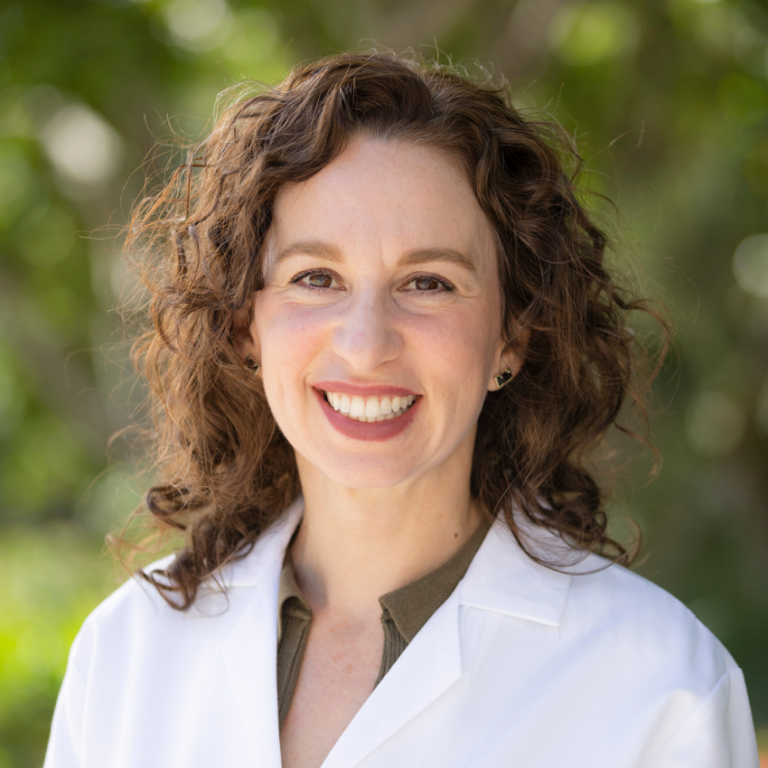
The Shady Grove Fertility Frederick, MD office is moving to a new, expanded location effective April 11, 2016. Paul R. Shin, M.D., Shady Grove Fertility’s full-time reproductive urologist and male fertility specialist, will be seeing patients at the new Frederick location, as well as Jason Bromer, M.D., Melissa Esposito, M.D., and newly added Lauren Roth, M.D. New address: 165 Thomas Johnson Dr. Suite F, Frederick MD, 21702

More Convenient Access to Patient Care

The larger office space will allow for a broader array of services offered to couples who are seeking help to overcome infertility. With an in-house reproductive urologist, patients will have easier, more convenient access to a suite of male infertility services from a highly regarded board-certified urologist and male fertility specialist—services that previously required a referral to a urologist outside of the practice. Male factor infertility accounts for up to 50 percent of all infertility cases.

Dr. Shin’s Male-Fertility Services

Dr. Shin earned his medical degree from the University of Virginia School of Medicine in Charlottesville, VA. He completed his residency in urology at the University of Virginia before completing his fellowship in male infertility at the Cleveland Clinic Foundation’s Glickman Urological Institute. Dr. Shin has held many leadership positions in the male infertility and urology community and earned many honors through the years, including being named a Washingtonian Top Doc in 2007, 2009, 2011, 2013, and 2015.

“I am excited to make access to care more convenient for the surrounding Washington, D.C. community. Expanding the services we offer and treating the whole couple supports our core mission as a practice,” said Dr. Shin.

To learn more about our new Frederick, MD location or to schedule an appointment with one of our physicians, please speak with one of our New Patient Liaisons, at 1-877-971-7755 or click to schedule an appointment. 
Filed Under: General

March 8, 2016 by Shady Grove Fertility

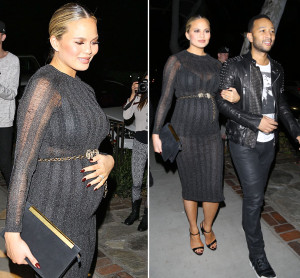
From Chrissy Teigan to Hugh Jackman, these Celebrities Talk About Infertility and Raise Awareness

Getting real about infertility can be hard for anyone but when it comes to celebrities, the pressure is on. So we applaud the celebrities who are talking about infertility and providing a source of inspiration and often a bit of comic relief when it comes to their family building.

Chrissy Teigan Tells it Like it Is

Most recently, supermodel Chrissy Teigan opened up about gender selection and her choice to select a female embryo (a medical procedure Shady Grove Fertility only performs when medically indicated) but over the years, Chrissy has been an open book throughout her struggles with infertility. She admits how long her journey to conceive has been on FABLife, “I would say, honestly, [that] John and I were having trouble. We would have had kids five, six years ago if it had happened, but my gosh, it’s been a process.”

Chrissy also reminds people to mind their own business when it comes to someone else’s family planning, “I can’t imagine being that nosy, like, ‘When are the kids coming?’ because who knows what somebody’s going through, who knows if somebody’s struggling?”

Chrissy’s co-host of the FabLife, supermodel Tyra Banks, echos her sentiment, “Whether they want to have a child or don’t ever want to have a child or may have a child on the way, it’s none of your business, okay? Until somebody wants to make it your business. I am so tired of seeing on my social media, ‘Why don’t you have kids? Why don’t you have kids?’ You don’t know. You don’t know what I’m going through.”

Kim Kardashian-West on Egg Freezing and Secondary Infertility

The Kardashian klan is very open about many things, including their fertility. Prior to having baby North, Kim was planning on freezing her eggs, “I’m glad that I’m freezing my eggs. I think now I can just be proactive, but I want to make sure when the time is right, I want to be prepared. I should be safe.”

Kim found out she was pregnant prior to completing her egg freezing treatment, but all was not so smooth when trying for baby number two. After complications from her previous pregnancy and delivery, including placenta accreta, Kim wasn’t sure if she would be able to conceive, so she sought the help of a fertility specialist. “I would go to the doctor in Beverly Hills every day at 5 in the morning to get tested to see if I was ovulating. I was trying everything: I did acupuncture and got a nutritionist to eat healthier.”

Jaime King, Hugh Jackman, and Trisha Sutter Dealing with the Emotions of Infertility and Miscarriages

Jaime King suffered through 5 long years of infertility treatment and five miscarriages prior to the birth of her first son. “I felt so ashamed. Everyone who goes through it feels that way, no matter where they’re from. I was in severe pain all the time, emotionally and physically. I felt so broken. Women are supposed to bear children, and I couldn’t.”

https://www.instagram.com/p/rBlL7HN1F2/?modal=true

Hugh Jackman and his wife had a long journey to parenthood as well. He opened up on the Today Show, “We did IVF and Deb had a couple of miscarriages. I’ll never forget it, the miscarriage thing—it happens to one in three pregnancies, but it’s very, very rarely talked about. It’s almost secretive, so I hope Deb doesn’t mind me bringing it up now. It’s a good thing to talk about it. It’s more common and it is tough. There’s a grieving that you have to go through.”

And Trisha Sutter of the Bachelorette fame shares, “When you get married, you believe, ‘Okay, the next natural thing is to have babies.’ When that doesn’t happen, you start to question your relationship; you start to question yourself, even God. It’s a very difficult thing to not be able to do anything about making a dream of yours come true and questioning whether something is wrong with you. So, that was definitely a dark time in my life.”

 Overcoming Infertility

Infertility doesn’t discriminate and affects one in eight couples. However, there is now a range of infertility treatments available to help nearly everyone conceive. To learn more about diagnosing and treating infertility, call Shady Grove Fertility’s New Patient Center at 1-877-971-7755 or request an appointment online.

Filed Under: General

February 9, 2016 by Shady Grove Fertility

On the free fertility app, GLOW, last week we provided participants the opportunity to ask questions of Shady Grove Fertility physician, Dr. Shruti Malik about how weight affects fertility and the hormone imbalances that could make weight management more difficult.

Dr. Malik Discusses How Weight Affects Fertility

Malik_OpenGraph

Whether underweight or overweight, your health can be adversely affected: being overweight can increase the likelihood of diabetes, heart disease, and hypertension. Being underweight can increase the possibility of nutritional deficiencies, a decline in energy, anemia, and osteoporosis.


But what should my body mass index (BMI) be in order to increase my chances of conception? What if it’s harder for me to lose weight because of PCOS? And does weight affect male infertility as well?

Dr. Malik stresses the importance of having healthy, long-term lifestyle goals in order to reach the body weight conducive to conception and healthier pregnancies. Read a few of the most popular questions about how weight affects fertility and Dr. Malik’s answers below:

  • Q:“Can being too thin be a problem?”
    • A: “Having a healthy BMI (18.5-24.9) is important. When a woman is significantly underweight or is under physiological stress (such as marathon running, regular swimmers, and women with anorexia or bulimia) the body may essentially react by affecting ovulation. Some women may have irregular or absent cycles and others may have regular cycles but not ovulate. Sometimes gaining a little weight if you’re underweight or decreasing the amount of running you do may temporarily help. If you’ve been trying for 6 months, I would see a specialist and have your hormone levels evaluated.” – Dr. Malik   
  • Q:“Hi Dr. Malik-Welcome Back! And thank you for doing this again! It seems to me that plenty of overweight women have no trouble getting pregnant every day. Is it JUST being overweight that leads to problems? Or is it overweight + something (like PCOS)?” 
    • A: “Weight itself can definitely lead to lower pregnancy, delivery, and increased miscarriage rates. It can also make it more difficult for a woman to respond to fertility medications and put them at higher risk during procedures. Even in pregnancy, it can increase the odds of diabetes or blood pressure-related complications and even lead to complications for the baby.” -Dr. Malik
  • Q:“I’m fine. But my (boyfriend) BF is pretty big. Does that matter? Can weight be bad for sperm?” 
    • A:“Yes, a man’s weight matters too. Men who are overweight can have lower sperm counts and sperm motility. In severe cases, it can affect the testosterone balance and sperm production and survival. If you’ve been trying to conceive (TTC) for over 6 to 12 months, it may be helpful to get a full evaluation done including a semen analysis to see if that has an effect.” – Dr. Malik
  • Q:“How do you know you have PCOS (without going to the GYN)? How many symptoms do you need before you are diagnosed with it?” 
    • A: “Most physicians use the Rotterdam criteria for diagnosing PCOS. You need to have 2/3 things: 1) irregular or absent periods, 2) signs of increased male hormone levels (like worsening acne or coarse midline hair growth in the lip, chin, chest, or stomach) or actual blood tests confirming increased testosterone levels, and 3) a ‘PCOS appearance to the ovaries,’ which essentially looks like a lot of small cysts commonly described as a ‘string of pearls.'”– Dr. Malik   
  • Q:“One more question. Have you seen any medication have a positive weight loss effect on a woman with PCOS?” 
    • A:“While there is a number of weight loss supplements and medications, there’s nothing I recommend to patients. I encourage them to try healthy realistic ways to lose weight. Some women opt to work with a dietitian or personal trainer. Binge diets and rapid weight loss medications can stress the body and affect a woman’s reproductive function. In severe cases, surgery may be warranted and that is something that should be discussed with a physician.” – Dr. Malik     

Managing Weight Expectations with Healthy and Long-term Goals

At Shady Grove Fertility, we measure weight and height by checking body mass index (BMI). While a BMI of 18.5-24.9 is ideal, only 1/3 of women fall into this category. The expectation for women is to bring their BMI below 30; any move in that direction can be one step closer to helping couples conceive.

To join the next GLOW Q&A with Dr. Malik or other SGF guest physicians, download the GLOW App on iPhone or Android. The Q&A sessions are hosted each Wednesday evening beginning around 4:30 p.m. To learn more about how weight affects fertility, or to schedule an appointment with one of our reproductive endocrinologist, please contact our New Patient Center by calling 888-971-7755.

Filed Under: General

January 27, 2016 by Shady Grove Fertility

Is your motivation to achieve your New Year’s resolutions already waning? Your resolutions might be easier to stick to if they’re fertility resolutions as well.

Weight and Fertility

Many lifestyle issues have an impact on fertility, and weight is no exception. Being overweight, obese, or underweight can have a negative impact on fertility. Compared to normal weight women, underweight, overweight, and obese women have a harder time getting pregnant and have a higher rate of miscarriage when pregnancy does occur. These findings about weight and fertility hold true even when using in vitro fertilization (IVF), the most high tech assisted reproductive treatment (ART).

What is a woman’s optimal weight for fertility?

We measure weight for height by checking body mass index (BMI). The optimal BMI range for health and fertility is 18.5-24.9 kg/m2. If your weight for height (BMI) is outside this range, your chances of pregnancy are lower. Because high BMI is a more common problem than low BMI, this article will focus on weight loss.

Even Small Weight Loss Can Have Big Gain

If you find your BMI is elevated, you are not alone. Two out of three women have a BMI of 25 or higher. Weight loss is difficult but your hard work will be worth it—both for health and fertility. The good news is that you do not need to decrease your BMI to an ideal range to see improved chances for pregnancy. Weight loss of even 5 to 10 percent of body weight will increase fertility.

Find a Long-Term Weight Control Strategy

But what is the best way to lose weight? It is no secret that there are a lot of diets out there. The best diet for you is one you can stick with but figuring out which one that is could take a lot of time and research. An article in the US News and World Report might help—the article ranks 38 popular diets based on short-term weight loss, long-term weight loss, ease of the diet, and the health of the diet. This article is a good starting point to consider what might work for you. It’s a good idea to discuss your plan with your doctor to make sure the diet you are considering will not have a negative impact on your personal treatment plan.

Whatever plan you choose, you should aim for long-term lifestyle changes so that you can maintain your weight loss. Plan to set yourself up for success by getting support from professionals (your health care team and, ideally, a nutritionist), a weight loss/lifestyle support group, and friends and family. Strategies for long-term weight loss include eating regular meals, frequent weight monitoring, and regular exercise.

Medical contribution by Lauren Roth, M.D.

Lauren Roth, M.D., is the Medical Director of SGF, and board certified in obstetrics and gynecology and reproductive endocrinology and infertility. She has published research on a range of fertility topics including polycystic ovary syndrome (PCOS) and the impact of weight on reproductive hormones. Dr. Roth sees patients in SGF’s Rockville, Maryland office.

For more information about weight and fertility, or to schedule an appointment with one of our reproductive endocrinologists, please contact our New Patient Center at 888-971-7755.

Schedule an Appointment

Filed Under: General

January 19, 2016 by Shady Grove Fertility

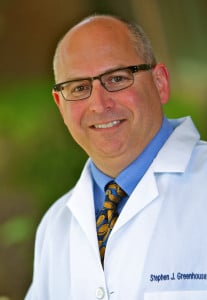
Medical Contribution: Stephen J. Greenhouse, M.D.

prenatal vitaminds

Waiting until you’re pregnant to start taking a prenatal vitamin is common but not advised. Many women don’t have their first prenatal appointment with their doctor or start thinking about a prenatal vitamin until they are already 8 weeks pregnant. By this time, the most critical organs in the fetus, such as the heart, the brain, and the spinal cord have already been developed. Therefore, in order for a prenatal vitamin to have maximum impact, we tell our patients, if you are of reproductive age and having unprotected intercourse, you should take a daily prenatal supplement that includes a range of vitamins.

When you’re pregnant, your body needs a variety of vitamins and minerals to support a healthy baby. Of course, we recommend a balanced diet, but when pregnancy symptoms such as nausea and food cravings prevent you from making healthy food choices, a prenatal vitamin can help bridge the gap. Dr. Stephen Greenhouse of Shady Grove Fertility’s Fair Oaks, VA, location discuss the key ingredients to look for in a prenatal vitamin in the online article medhelp.org and why these nutrients are so important to maximizing the health of the pregnancy and the baby.

Folic Acid

This B-vitamin (B9) protects the baby’s neural tube, which becomes the brain and the spine. Folate is actually found in many foods that we eat such as beans, dark leafy greens, and citrus. This vitamin is most important in the first few weeks of conception and even before you know that you’re pregnant.  Because this is an essential vitamin, it’s recommended that women of childbearing age take vitamins regularly. Dr. Stephen Greenhouse says, “Women who take folic acid supplements have an up to 80% reduction in neural tube defects.” The U.S. Preventative Task Force recommends 400 to 800 mcg of folic acid a day.

Calcium

“We’ve learned in grade school that calcium is good for your bones, but what you might not know is that it may also reduce the risk of preeclampsia or high blood pressure during pregnancy, which can lead to complications,” says Dr. Stephen Greenhouse. Most prenatal vitamins have a majority of your daily calcium, but not all. The rest of your calcium should come from foods that contain dairy, soy, almonds, and dark leafy greens. It’s recommended to have at least three servings of calcium-rich food each day and to look for prenatal vitamins that contain 1,200 to 1,500 mg of calcium.

Iron

Iron is needed to support your increased blood level supply as well as your baby’s. An iron supplement can protect against anemia, which can lead to increased fatigue and pregnancy complications. “Prenatal supplements with iron can be especially important for vegetarian moms-to-be since meat is one of the most concentrated sources,” says Greenhouse. It’s recommended to have a 30 mg of elemental iron per day.

Vitamin C

We think of vitamin C as the ingredient to stock up on when we are sick or feeling sick, but for pregnancy, this vitamin is important for tissue growth and still plays a role in your immunity. This vitamin is extremely important for pregnant women as it enhances the absorption of iron. The recommended daily dosage is 80 to 85 mg.

Vitamin D

This vitamin is found in fortified dairy products and fish. Vitamin D is so important because it is linked to building a strong immune system as well as increasing calcium absorption and bone health. Previous fertility studies have shown that women with normal vitamin D levels have higher rates of implantation as compared with women whose levels are low. If you are overweight, have dark skin, or limited sun exposure, you may be at risk for deficiency. “Ask your doctor to check your vitamin D levels, as prenatal vitamins don’t have enough dosage to help women with deficiency,” advises Greenhouse.

DHA

Omega-3 fatty acids EPA and DHA are important for fetal brain development during pregnancy, so many of the prenatal vitamins include them. The recommended dosage is between 100 to 300 mcg per day. Eating foods with omega-3 like fish, walnut, flax seeds, and canola oil are equally as important.

Iodine

A 2014 study by the American Academy of Pediatrics showed that 1/3 of pregnant women don’t get enough iodine in their diet. Iodine is important in helping your body produce thyroid hormones that are critical for a baby’s brain development. Choose a prenatal vitamin with 150 mcg iodine during pregnancy and while breastfeeding.

What if I have side effects taking a prenatal vitamin?

It is not uncommon for people to have some trouble tolerating prenatal vitamins. Dr. Greenhouse provides tips for taking the vitamins to prevent any side effects.

  • Nausea: Instead of taking the vitamin in the morning, try taking it after dinner closer to bedtime.
  • Too big to swallow: Find a chewable prenatal vitamin over the counter or get a prescription from your doctor.
  • Constipation: Drink plenty of water and eat fiber-filled vegetables and whole grains—this should help get things moving.
  • Diarrhea: Some prenatal vitamins contain polyethylene glycol —a laxative ingredient to balance out constipation side effects. If you have a sensitive stomach, this may not be the right prenatal vitamin for you. Read the prenatal vitamin labels carefully.

 
For more information about preparing your body for a health pregnancy through prenatal vitamins and other healthy choices, or to schedule an appointment with one of our reproductive endocrinologists, please contact our New Patient Center at 888-971-7755.

Filed Under: General

December 23, 2015 by Shady Grove Fertility

Women Exposed to High Levels of Secondhand Smoke are at Greater Risk for Infertility

While smoking and infertility has been the subject of much research over the years, and we have known that smoking has a negative impact on fertility for both men and women, this is one of the first studies that exposes the relationship between secondhand smoking and infertility. The data is important because so many people are of the mindset that active smokers are the only ones at risk.

A new study of 88,732 postmenopausal women found that women who were active smokers were 14 percent more likely to have problems conceiving. Similarly, researchers observed similar fertility problems in women with prolonged exposure (more than 10 to 20 years) to secondhand smoking, also known as passive smoking. This group was 18 percent more likely to experience problems conceiving than women who were not exposed.

‘This is one of the first studies of this size and statistical power to investigate and quantify active and passive smoking and women’s health issues. It strengthens the current evidence that all women need to be protected from active and passive tobacco smoke,’ the researchers write in Tobacco Control.

What is the Relation between Smoking and Infertility

Eric A. Widra, M.D., Shady Grove Fertility’s Executive Senior Medical Officer explains further, “Smoking is one of the few, 100% proven, things known to have a direct negative impact on your fertility. For men and women, it’s one of the worst things you can do if you’re trying to conceive.”

The ability to conceive is directly impacted with the quantity of cigarettes smoked. The more cigarettes smoked, the more chemicals that enter the body, which increases the rate of follicular depletion and reduces estrogen levels in the body. Fertility treatment is also greatly impacted when the female partner smokes. The following side effects can occur:

  • Decreased response to stimulation ovarian medication
  • Decreased number of eggs available for retrieval
  • Increased number of cancelled cycles

Women are not the only ones who are impacted by smoking and infertility. Men who smoke are more likely to show a decrease in the three main factors that determine a man’s sperm quality:

  • Sperm count
  • Morphology (sperm shape)
  • Motility (movement)

Secondhand Smoking Also Shown to Affect Age of Menopause

The research also showed a correlation between secondhand smoking and early menopause. On average, women who were exposed to secondhand smoking went through menopause 13 months earlier than women with no exposure.

As we approach the New Year, make it a priority for you and the loved ones around you to stop smoking.  Visit smokefree.gov for tips to help you quit smoking.

If you would like to learn more about smoking and infertility or to schedule an appointment with a fertility specialist, please speak with one of our New Patient Liaisons at 877-971-7755.

Filed Under: General

  • « Go to Previous Page
  • Page 1
  • Interim pages omitted …
  • Page 20
  • Page 21
  • Page 22
  • Page 23
  • Page 24
  • Interim pages omitted …
  • Page 46
  • Go to Next Page »

Company

  • About SGF
  • About US Fertility
  • Our Doctors
  • Fertility Equity
  • Careers
  • Newsroom
  • SGF College Scholarship
  • Contact Us
  • Voice Your Feedback

Treatments

  • Egg Freezing
  • Intrauterine Insemination (IUI)
  • In Vitro Fertilization (IVF)
  • Frozen Embryo Transfer (FET)
  • LGBTQIA+ Family Building
  • Shared Risk 100% Refund Program
  • All Treatments

Resources

  • Patient Portal
  • Online Bill Pay
  • Library
  • Support Groups & Events

Locations

  • California
  • Colorado
  • Delaware
  • Florida
  • Georgia
  • Maryland
  • North Carolina
  • Pennsylvania
  • Texas
  • Virginia
  • Washington, D.C.

2026 Shady Grove Fertility

  • Policies & Notices