
• Skip to primary navigation
  • Skip to main content
  • Skip to footer
Shady Grove Fertility
  • Become an Egg Donor
  • Referring Physicians
  • 1-888-761-1967
  • Schedule Appointment
  • Get Started
        • Get Started
          • Causes of Infertility
          • Fertility Tests
          • When to Seek Help
          • Find a Doctor
          • Preconception and prenatal vitamins 
          • Schedule an Appointment
        • Personalized Care For
          • Single Parents
          • LGBTQIA+ Family Building
          • People with Cancer
          • Known Genetic Diseases
          • Egg Donors
  • Treatments
        • Fertility
          • Timed Intercourse
          • Ovulation Induction
          • Intrauterine Insemination (IUI)
          • In Vitro Fertilization (IVF)
          • Frozen Embryo Transfer (FET)
        • Donation & Surrogacy
          • Donor Sperm
          • Donor Egg
          • Donor Embryo
          • Gestational Carrier
          • LGBTQIA+ Family Building
          • Single Parents
          • Find a Donor
        • More Treatments
          • Center for Male Fertility
          • Egg Freezing
          • OncoFertility
          • Preimplantation Genetic Testing
          • MIGS
          • All Fertility Treatments
  • Resources
    • Resource Library
    • Events Calendar
    • Patient Stories
    • Mental Health
    • Wellness Center
  • Insurance & Savings
    • Insurance & Benefits
    • Shared Risk 100% Refund Program
    • 100% Refund for Donor Egg
    • Discounts
    • Egg Freezing Costs
    • Financing & Grants
    • Clinical Trials
  • About
    • Find a Doctor
    • About SGF
    • Our Care Team
    • Advanced Practice Providers
    • Fertility Equity
    • Philanthropy
    • Newsroom
    • Careers
    • Contact Us
    • Voice Your Feedback
  • Locations
        • Find a Location
        • California
        • Colorado
        • Delaware
        • Florida
        • Georgia
        • Maryland
        • North Carolina
        • Pennsylvania
        • Texas
        • Virginia
        • Washington, D.C.
        • Chile
        • International & Out of State
        • SGF at Walter Reed National Military Medical Center
  • Patient Hub
    • Online Bill Pay
    • Patient Forms
    • Patient Portal
  • Call your care team
  • Become an egg donor
  • Referring physicians
  • search-icon
  • Schedule appointment 1-888-761-1967

Home / Get Started / Page 13

Get Started

March 6, 2015 by Shady Grove Fertility

Contributed by Naveed Khan, M.D.

Dr. Naveed Khan of SGF’s Leesburg office.

Washington, D.C. and its surrounding suburbs are an incredibly culturally diverse region of the country. People reside in this region from literally all corners of the world. In particular, one of the communities that I see a lot of patients from are people from the Indian subcontinent. I was curious if infertility rates were higher here in the United States for people of Indian origin compared to back in India. After some research, what I found out was very interesting.

Infertility in India Compared to Infertility in the United States

The general rate of infertility in the United States is 10% for reproductive-aged couples. This is the same rate of infertility found in India.1 The population of the United States is 320 million people, while India is significantly more populated with a population of 1.3 billion. This would mean that there are four times as many infertility patients in India compared to the United States! The most common causes of infertility in India are sperm abnormalities leading to male factor infertility, and in women, a hormone condition called polycystic ovary syndrome.2 The most common causes of infertility in the United States are very similar, including the diagnoses of male factor infertility, polycystic ovary syndrome, endometriosis, and unexplained infertility.

Similar to the trend that has already occurred in the United States, the rise of infertility in the Indian population involves many factors, including changes in lifestyle, stress, and the recent trend of delaying marriage. The Indian National Family Health Survey found that infertility rates were highest in women living in urban areas; with increasing levels of education among women, infertility rates also increased.3 In the United States, some reasons cited for delaying pregnancy were related to careers and improvements in contraception. The common denominator is that in both countries, women are attempting pregnancy at older ages when women are less biologically fertile.

One of the biggest differences for men and women attempting to access infertility treatment in the United States compared to India is that in the United States, fertility centers report their pregnancy and outcome rates to the Centers for Disease Control and Prevention (CDC) and the Society of Assisted Reproductive Technologies (SART). SART’s mission is to maintain and set standards for IVF centers across the country. Within one database, a patient is able to objectively compare pregnancy rates from one center to another. While there are more fertility centers in India–3,000 compared to 450 centers in the United States–India has no equivalent regulatory body to compare results between centers.4 In India, there is only the self-reported pregnancy rates put out by each individual center, making it difficult to verify and standardize the data and compare pregnancy rates across centers.

Infertility Diagnosis & Treatment
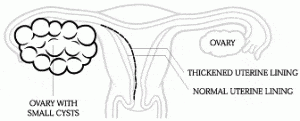
At Shady Grove Fertility, our success working with Indian patients that are local or international is excellent. Culturally, there is a very strong emphasis on family and children, and as a result, patients I have seen tend to be well-educated about their fertility and motivated to take the steps needed to build their family. The most common diagnoses that we see in our practice in couples that are Asian Indians are polycystic ovary syndrome and male factor infertility.
In both cases, we have the experience
needed to correctly diagnose and recommend effective treatment. Polycystic ovary syndrome has a spectrum of symptoms that sometimes can make it difficult to diagnose, especially in the early stages. As a result, women with polycystic ovary syndrome sometimes get misdiagnosed or incur a significant delay in diagnosis if they are seeing someone who is not experienced with this condition. Once we make the diagnosis, treatment is directed accordingly and tends to be highly effective whether it is low-tech or high-tech therapy that is needed.
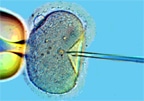
For patients with male factor infertility, we have many treatments that are available. One of the most revolutionary treatments is intracytoplasmic sperm injection (ICSI), which is performed in conjunction with in vitro fertilization (IVF). ICSI is an infertility treatment in which one sperm is injected directly into an egg. Since only one healthy sperm is needed to perform ICSI, this treatment is incredibly useful for when there is a problem with the sperm, such as low motility (movement) or a low sperm count. ICSI can also be useful in cases where the sperm cannot penetrate the egg or if the sperm are abnormally shaped.

Coming to Shady Grove Fertility for Treatment

As part of the largest fertility center in the United States, our SGF reproductive endocrinology team has the breadth and depth of experience that comes with treating tens of thousands of patients. We know the most cutting-edge treatment techniques and can provide patients with an individualized treatment plan that will help put them on the path to parenthood.

If you would like to learn more about fertility treatment, or would like to schedule an appointment, please contact the New Patient Center at 877-971-7755.

References:

1) Mahesh, Roshni. Infertility Rate among Indian Couples on the Rise, Says Survey.  Sept 20, 2013.

2) Express News Service. Male and Female Infertility Just Keeps on “rising”.  Jan 27, 2014.  The new Indian Express.

3) Ganguly, S., Unisa, S. Trends of Infertility and Childlessness in India:  Findings from National Fertility Health Survey Data. F,V&V in ObGyn, 2010, 2 (2):  131-138.

4) Bhalla, B., Thapliyal, M. Inside a “baby-making factory”: How the rent-a womb industry became India’s latest booming industry.  com, Septermber 30, 2013.
Filed Under: Get Started

January 16, 2015 by Shady Grove Fertility

While the news of Facebook and Apple providing egg freezing benefits to employees has been widespread, this benefit hasn’t trickled down yet to many companies outside of Silicon Valley. In addition to the lack of elective egg freezing benefits, the author of a recent NPR blog piece raises the issue of egg freezing costs for women with cancer, which most employers also do not cover.

Recognizing a lack of insurance coverage, Shady Grove Fertility has developed a specialized Oncofertility Program for women who have cancer. Since studies have shown that chemotherapy can severely diminish a woman’s ovarian reserve, we work with oncologists to get women in as quickly as possible after their cancer diagnosis, so that they can undergo egg freezing for fertility preservation prior to moving forward with cancer treatment.

The Oncofertility Treatment Process

When a patient with a recent cancer diagnosis reaches out to SGF, a specially-trained team guides them through the entire treatment process. This team helps to navigate patients through each step, from finding ways to afford treatment to the actual medical procedure. Due to the time-sensitive nature of treatment, oncology patients can expect an expedited treatment plan and to see a physician for consultation as soon as possible – usually within a few days of calling our office.

Once a patient decides to move forward with treatment, it generally takes 2-3 weeks to complete stimulation of the ovaries. Egg development will then be monitored via monitoring appointments that can help physicians determine if medication needs to be adjusted, as well as identifying the ideal time for egg retrieval. Once the follicles reach 20mm in size, an egg retrieval will be scheduled at one of our ambulatory surgery centers in either Rockville or Towson, Maryland or Chesterbrook, Pennsylvania. The retrieval will be performed under light sedation, with normal activity resuming the next day.

Patients in our Oncofertility Program will receive a specialized rate that is (on average) a 50 percent reduction of the cost of IVF. Patients are also offered additional discounts through the Shared Help Program if they qualify, and they can work with Fertility Finance to help with affordable monthly payments. The team will also reach out to the insurance companies, as there are some that will cover the cost of the retrieval and fertilization process if there is a cancer diagnosis.

Additionally, some pharmaceutical companies provide medications at a reduced cost to oncofertility patients. For example, Ferring Pharmaceutical’s Heart Beat Program provides the injectible medications used for stimulation at no cost to oncofertility patients.

What Future Options are Available for an Oncofertility Patient?

Once a woman’s eggs are frozen, they are available for when she has completed her cancer treatment and has been cleared to move forward with attempting pregnancy. The use of these eggs in the future will involve thawing them, inseminating them with sperm, and then transferring a healthy embryo into the uterus.


When a woman freezes her eggs, her success at achieving pregnancy will be related to her age at the time of freeze – not at the time when she plans to use her eggs. Eggs may be used to achieve pregnancy before a patient’s 51st birthday.

We understand that time is of the essence for our oncofertility patients and that there is an abundance of new information to process, from their cancer diagnosis to suddenly needing to undergo fertility preservation.  By working with our pharmaceutical partners and our oncofertility team, as well as offering patients egg freezing programs like Assure20 and Assure 30, we’re working to make things as easy and cost-effective as possible for our patients in a situation that is anything but simple.

If you would like to learn more about the fertility preservation options available or are ready to schedule an appointment with a fertility specialist, please speak with one of our New Patient Liaisons at 877-971-7755.

Filed Under: Get Started

October 1, 2014 by Shady Grove Fertility

You live in a time when cancer is often not only treatable, but curable. This dreaded disease that manifests in so many terrifying forms is rapidly becoming a life experience to be survived. The result is that millions are now referred to as “cancer survivors” rather than “victims.”

The challenge now is to pursue a post-cancer life of quality, filled with the same things that most everyone wants, including children.

Hundreds of thousands of people in their reproductive years are diagnosed with, and treated for, cancer. Their lives are saved. Still, many cancer survivors become infertile as a result of the very treatments that made cancer part of their past.

Thanks partly to technological advances in reproductive medicine and to a lot of conscientious collaboration, more cancer patients are making their way to fertility specialists so that life beyond cancer can also include family building.

Getting the Technology to the Patient

Depending on the type and location of cancer, both chemotherapy and radiation treatments can destroy the reproductive cells in a person’s body. This is especially crucial information for women to know prior to engaging in cancer treatment.

Women are born with all of the egg cells their body will ever have, so once those cells are damaged, it’s impossible to make them viable again.

Fortunately, techniques now exist that allow the fertility specialists at Shady Grove Fertility Center to essentially freeze a woman’s fertility in time. Cryopreservation, or freezing, has been highly successful with sperm and embryos for decades. Similar technology is now available to retrieve, freeze, and store a woman’s egg cells for later use with in vitro fertilization (IVF). While the pregnancy success rates using frozen eggs is significantly lower than using frozen sperm or frozen embryos, the freezing process has made, and continues to make, great strides as a viable fertility option.
But when a woman receives a cancer diagnosis, it’s quite possible that her very survival is a more prominent worry than whether or not she’ll have children in the future. That’s where collaboration by medical professionals comes in, to assure that patients who are likely emotionally overwhelmed with the enormity of their diagnosis can be guided through the options for preserving their fertility.

The Importance of Who You Know

The physicians and the rest of Shady Grove Fertility’s staff have worked to develop close working relationships with oncologists so that patient referrals happen in a timely fashion.

“We’ve let them know that while time is always of the essence with a cancer diagnosis, we don’t need that much on this end,” Dr. Eric Widra asserts. “For a female patient, we can usually get her prepped and through egg retrieval, whether that’s for oocyte cryopreservation or, if she has a partner, for embryo cryo, within a month’s time.”

Eric Widra, MD, SGF’s Executive Senior Medical Officer, had developed a special interest and expertise in issues related to cancer & family. Dr. Widra’s position on the faculty of Georgetown University as Director of Reproductive Endocrinology has afforded him connections with Lombardi Comprehensive Cancer Center, currently the only National Cancer Institute’s designate in the Washington, D.C. area.

He notes that in the case of breast cancer, there’s generally an interval of time between surgery and follow-up chemotherapy. Shady Grove Fertility has had success with using that calendar space to perform egg retrieval for these patients. Breast cancer and other estrogen-sensitive cancers have to be managed closely, Widra says.

“We have to be vigilant about the possibility of cancers being influenced by increased estrogen concentration. To address this issue, we follow an established protocol that uses an anti-estrogen, letrozole, combined with fertility drugs to produce a good number of eggs for retrieval while keeping their estrogen levels at or below normal physiologic levels. We’re able to give the patient’s ovaries a moderate boost for egg production without increasing estrogen levels.”

As the protocol and freezing techniques have become more finely tuned, Shady Grove Fertility has been more proactive in doing educational outreach to the cancer community, along with Fertile Hope, so that patients don’t miss the opportunity to preserve their fertility.

Fertile Hope is a national, nonprofit organization dedicated to providing emotional and financial support to cancer patients and survivors whose medical treatments present the risk of infertility.

Preserving Sperm & Embryos, Too

While female cancer patients may come to Shady Grove Fertility before their cancer therapy, Dr. Widra says they see more men who come in post-treatment to make use of sperm that was cryopreserved before the patient initiated cancer treatment.

Frozen sperm has been used with IVF for many years with great success. One of the reasons is because the cells are hearty enough to survive the rigors of the freeze-thaw-fertilize processes. Obtaining sperm for cryopreservation (via masturbation) is relatively easy.

One famous example of the success of this technology at work is Lance Armstrong. In 1996, he banked his sperm prior to undergoing surgery and chemotherapy for testicular cancer. Three years later, using the frozen sperm, Armstrong’s wife gave birth to a son. In 2001, Armstrong and his wife welcomed twin girls to the family, also made possible by the banked sample.

For men who have compound issues — for example, sperm cell problems in addition to needing cancer treatment — testicular tissue freezing is also well-established technology.

For individuals who have a partner with whom they wish to have children in the future, embryos can be created with egg and sperm cells retrieved prior to cancer treatment. These embryos can then be frozen and transferred to the woman’s uterus at a later, more optimal time.

If you are interested in freezing sperm prior to cancer treatment, please contact Fairfax Cryobank for more information.

Plan B

Not every cancer patient will have the opportunity to preserve their fertility before chemo or radiation treatment. For those not fortunate to have frozen sperm, eggs, or embryos prior to chemo, the use of donor sperm or eggs with IVF is a common solution.

If a woman’s cancer treatment results in the removal of her organs, there are still ways that fertility specialists can help her become a mother. Women who’ve undergone hysterectomy have the option of using a gestational surrogate, using her own cryopreserved eggs or embryos, or with freshly retrieved eggs should her ovarian reserve be intact.

“While these forms of fertility treatments all involve compromise and can be costly,” Widra says, “they are very effective toward creating successful pregnancies.”

After Survival, Parenthood

Awareness of and access to the existing technology is the key for patients who will be undergoing chemotherapy — even for non-cancerous diseases — and radiation.

Patients and cancer physicians alike still need education about the options for parenthood. Dr. Widra explains how long-standing misperceptions that over-simplify female fertility can impact whether or not a woman is directed to the best source to meet her needs.

“A woman’s ovarian reserve will be affected by chemotherapy, but not necessarily to the point of complete sterility. There’s a spectrum for any woman’s egg supply and cancer survivors may come through treatment with limited reproductive function. They may not be sterile, but they could be infertile.”

“The simple return of a woman’s menstrual cycle after chemo is not a sign of fertility. We spend time explaining this to the patients who make it to our door.”

Fortunately, new collaborative networks between Shady Grove Fertility, Fertile Hope and community oncologists are raising awareness of the patient’s fertility options while they still have time left to maximize their chances at future parenthood.
 

Filed Under: Get Started

October 1, 2014 by Shady Grove Fertility

Medical Contributions made by Frank E. Chang, MD

Whether you are trying to get pregnant on your own or working with a doctor, every negative pregnancy test can leave you worrying that it will never happen. Many patients wonder, when does this become a lost cause? Do I have any other options? The good news is that there are many, many options for people with all kinds of fertility challenges – the key is knowing which ones are right for you and when the right time is to use them.

At Shady Grove Fertility, we believe in a stepped care approach to treatment, which means we start with the simplest, most affordable treatment options first and move up to more advanced treatments only if needed. More than half of all the treatments we do are considered “low tech,” and they were successful for nearly a thousand patients alone in 2012.

“It might take more than one cycle, but we now have treatment options to help almost everyone.” says Dr. Frank Chang of Shady Grove Fertility’s Rockville, MD office. “Studies have shown that perseverance with treatment pays off, so if patients are open to using all of their options, we can help almost all of them become parents.”

Here, Dr. Chang shares some of the most common transitions patients go through and what guides his recommendations for when to try something new.

The First Move is Seeking Help

The first question most couples ask if they are having trouble conceiving is: “when do we stop trying on their own and see a fertility specialist?” The easiest way to answer this question is to look at the accepted guidelines based on the age of the female.

If you’re a female under 35 years old, you should seek help after a year of unprotected intercourse without a pregnancy. Females over 35 should seek help after only 6 months. If you’re 40 years old or older and you’re just beginning to try, it’s best to talk to a physician right away.

“One of the most difficult conversations I

have with patients is about the effects of age on their fertility,” says Dr. Chang. “Many women believe that because they are healthy and living a healthy lifestyle, they should be easily able to get pregnant late in their thirties and early in their 40s. Unfortunately, fertility diminishes for all women as they age regardless of their overall health or lifestyle, so it’s really important not to wait too long to seek help.”

Some couples will start by talking with their ob/gyn, but it’s also perfectly fine to go straight to a fertility specialist. “The doctors at Shady Grove Fertility don’t require you to have a referral from your ob/gyn or primary care doctor. You can just make a consultation appointment directly with us,” says Dr. Chang. “Your insurance might require some kind of referral or authorization, but you can still go ahead and call us and we will help you find out.”

Wherever you start, the first step should be diagnostic testing on both partners. “Once your diagnostic testing is done, the question about whi

ch treatments are right for you will become clearer,” says Dr. Chang, “but it’s best not to start any type of treatment until both partners have been tested.” That’s because many couples have multiple factors affecting their fertility, and they can occur on both the male and female side.

Have questions or want to schedule an appointment?
Call our New Patient Center at 888-761-1967

First Line Treatments

Most couples have the option of starting with “low tech” forms of treatment. These treatments don’t have the higher success rates of In Vitro Fertilization (IVF) but they are simpler and much more affordable. Since it makes a lot of sense to start with these, it’s often not so much a question of what to do, as when to move on to more advanced therapies.

“That’s where our experience and knowledge can really help,” says Dr. Frank Chang. “We have a lot of data to guide us and a lot of experience helping couples move through the process.”

For example, many couples begin their treatment path with the female patient taking Clomid, an oral medication th

at helps women ovulate and in many cases produce more than one egg. The medication is taken on specific cycle days and an Intrauterine Insemination (IUI) is timed to coincide with ovulation. During the IUI insemination, a concentrated amount of sperm is inserted directly into a woman’s uterus that gets the sperm closer to the egg to increase the chance of fertilization and ultimately pregnancy. The procedure is fast and painless, and the treatment is about a third of the cost of IVF.

Since this treatment is simple and can be done with a patient’s ob/gyn, many women would prefer to keep doing it month after month rather than transition to the care of fertility specialist. Dr. Chang says this can lead to patients “spinning their wheels,” so to speak.

“If we look at the data, we see that after 4 cycles of Clomid, the success rates drop off dramatically, even if the woman is ovulating. If she is over 35 or the couple’s infertility is unexplained, the data show that they should move on even sooner,” says Dr. Chang. “In fact, it’s actually been shown that it is more cost-effective

to switch to more aggressive treatments like IVF rather than continuing with Clomid.”

So, the first transition for many couples is moving from doing Clomid with their ob/gyn to seeing a fertility specialist – but that doesn’t mean they will jump right into IVF. Depending on the couples’ diagnoses and age, there are still several steps a fertility specialist might recommend before IVF. For example, you might continue Clomid and IUI but add injectable medications. One thing that will change when you work with a fertility specialist is that you will be monitored with ultrasound and bloodwork during the stimulation phase of whatever treatment you do. That way, you and your doctor will know if the medications are having the desired effect.

After each treatment cycle, physicians meet with the couple to review their specific case during this time both the patients and their doctor are able to review how the cycle went and how to proceed. “Ultimately patients will make the decision on what to do moving forward with their treatment. I always provide the couple information on their cycle, the success rates, and data that we have which helps them to make the most informed decision” says Dr Chang.

“Many patients may succeed with these treatments,” says Dr. Chang. “However, if pregnancy is not achieved within a few cycles, we would review their cycles and decide when to move on to IVF.”

Financial Options for IUI Treatment: Insurance, Shared Help, Military Discount

When to Move to IVF

Dr. Chang uses a detailed graph to help his patients understand his recommendations about when to switch treatments. “I have a graph that shows the patient’s age and other key factors for her fertility charted with the success rates for IUI and IVF,” he says. “It really helps my patients to be able to see the data clearly and get a big picture perspective.”

For most patients, success rates for IUI drop off after 3 unsuccessful cycles. “Again, I use age as a guide. If the couple is young and they want to try a 4th cycle of IUI, I would support that decision,” says Dr. Frank Chang. “But with older couples, I’ll try to show them how the decline in success rates correlates to age and advise them to be more aggressive about moving to IVF.”

IVF is the most successful treatment a couple can do using their own eggs and sperm. IVF is also one of the few treatment modalities where success rates have gone up over time due to technological advances. Women under the age of 35 have a 55% chance of getting pregnant on their first cycle. However, if you don’t get pregnant on the first cycle, you still have a very good chance on subsequent cycles.

IVF Program Success Rates (Fresh Program)

January 1, 2011 to December 31, 2011

“If the first cycle fails, we will go over it in detail: what worked well? What didn’t go as well? Are there changes we could make to the next cycle to increase the chances of success?” says Dr. Chang. “For most couples, the data shows that it is worth trying again up through 3 cycles.”

“We find patients successful with IVF are generally pregnant within the first 3 cycles,” says Dr. Chang, “for those patients that are not pregnant after the 3rd IVF cycle, we would talk their options which might include continuing with IVF, moving to donor egg treatment, or even considering adoption.”

Financial Options for IVF Treatment: Insurance, Shared Help, Multi-Cycle, Military Discount, Shared Risk 100% Refund Program

Moving on to Donor Egg

Some patients, especially those who are over 40 or have other medical conditions that reduce the quality of their eggs, go straight to donor eggs when they start treatment. For most patients, however, the move is a result of not having success with IVF. “For these patients, it can be a hard transition, especially if they are younger,” says Dr. Chang, “but the upside is that their chances of success jump back up to a very high level when they move to donor eggs.”

For women unable to conceive using their own eggs, donor eggs allow for a woman to carry a child that is genetically linked to the male partner. Donor egg treatment also offers the highest pregnancy and delivery rates of any fertility treatment because the donated eggs come from women between the ages of 21 and 32 which coincides with these women’s peak fertility. Patients using donor eggs at Shady Grove Fertility have a 53% live birth rate with each transfer.

Donor Egg Program Success Rates
January 1, 2007 to March 31, 2011

Shady Grove Fertility’s donors are healthy women between the ages of 21 and 32. Extensive personal and medical histories are provided on every donor. Once a donor is chosen, the cycle is quite simple for the donor egg recipient. You will take medications that prepare your uterine lining for pregnancy. The male partner will provide a semen sample that will be used to fertilize the donor eggs. Once the embryos are ready, an embryo transfer will take place.

Donor Egg treatment is our most successful treatment options but affording the treatment can be a barrier for some patients. “The best thing about donor egg at Shady Grove Fertility is the Shared Donor and Shared Risk 100% Refund Program,” says Dr. Frank Chang. “Our Shared Donor program allows patients to share the eggs and cost of one donor with 1 or 2 other couples making the treatment more affordable. Many patients will also take advantage of the Shared Risk program that allows couples to try up to six IVF with donor egg cycles and if they don’t bring a baby home from the hospital, they will receive a 100% refund.”

Again, Dr. Chang says that the most important thing is for couples to know all of the options that exist. “Even if my patients don’t think donor egg is something they are interested in when they start treatment, I still talk to them about it along with their other family building options like adoption,” he says. “I want them to know that there’s still hope even if they aren’t successful with IVF.”

Financial Options for Donor Egg Treatment: Insurance, Shared Donor, Shared Help, Military Discount, Shared Risk 100% Refund Program

Keeping the Big Picture in Mind

When thinking about moving to another form of treatment it is important to consider how many cycles you have attempted, your age, and the guidance from your medical team based on their data driven decisions. “My advice is to consider the statistics but to do what you feel is right for you and your family,” says Dr. Chang.
He adds, “It’s unlikely that you will need all the options available to you, but if you have a sense of the big picture from the very beginning, it will be easier for you to stay positive and keep moving toward your goal.”

For more information or to schedule an appointment with one of our physicians, please speak with one of our friendly New Patient Liaisons by calling 888-761-1967.


Filed Under: Get Started

October 1, 2014 by Shady Grove Fertility

Michelle is crossing her fingers again.

She is happily pregnant, just as she and her husband, Jason, had planned, and she’s still in the first trimester. There’s no factual reason for Michelle to worry that this pregnancy won’t end in the successful birth of her first child. Yet, this is her third pregnancy, and Michelle is understandably anxious.

“I can’t wait until I’m huge and uncomfortable,” the 29-year-old muses as she thinks about other patients in her OB’s waiting room, many of whom are farther along than she has managed to get in pregnancy. “Right now, I live ultrasound to ultrasound!”

As far as test results show, there’s nothing wrong with either Michelle or Jason, nothing that would lead to miscarriage. Still, like so many couples have learned, the loss of a pregnancy in the earliest weeks is far more common than most people realize. Most often, there’s nothing that could have prevented the majority of these losses, and no way to determine whether it will happen.

An Unsettling First

Michelle and her husband, who is 30 years old, did all “the right things” before deciding to have a baby. “We owned a home, we did all the preparations you’re supposed to do, and the time was just right.”

The couple enjoys a healthy lifestyle that includes regular exercise, no smoking or alcohol, and good nutrition. “There was no reason why I would think we might have any problems having a baby.”
After using ovulation home test kits and tracking her basal body temperature, they conceived their first pregnancy.

“Everything was progressing normally until the 14th week,” Michelle recalls. She experienced a bit of spotting which she believed was likely due to exercise. “Upon examination, they said my cervix was fine, but they couldn’t hear the heartbeat with a Doppler.” An ultrasound was performed, the third since her pregnancy began, and there was no heartbeat detected this time.

Up to the point of her own pregnancy, Michelle had virtually no experience with issues around conception or being pregnant. She was the first in her group of friends to try for a baby. She had joined an online forum to find out a little about getting pregnant. “And since I’m an only child, there was no one around me going through any of this,” Michelle says, “It was good to be blissfully ignorant.”

Once it was determined that there was no longer a viable pregnancy, Michelle underwent a procedure known as dilation & curettage (D&C) at the recommendation of her doctor.

“That was pretty hard,” she remembers, “It’s not that physically painful; you’re under general anesthesia and it’s only day surgery. But emotionally, it’s hard to wake up from that and realize that it’s all over.”

The few days between the ultrasound and the D&C were also difficult. “I had to walk around for a weekend knowing what was coming. It was indescribable.” The follow-up appointments at her OB’s office, surrounded by pregnant women in the waiting room, were equally hard.

A Certain Kind of Acceptance

First trimester miscarriage is a part of life that doesn’t get much public discussion, yet it occurs in as many as 25 percent of all pregnancies.

Most often, women in particular find out from their own experience how common miscarriage is, as their friends, relatives, even mothers, come forward into the light with their own stories.

Rather than deterring a couple from trying to conceive again, however, the commonplace nature of early miscarriage in the general population can be thought of as part of the process toward having a healthy baby. The vast majority of these embryos are chromosomally abnormal to the point of not being viable. If most of them made it to term and delivery, the result would be the loss of infants within hours following their births. The female body has pregnancy-related processes that result in spontaneous miscarriage when the embryo’s bodily systems are so malfunctioning that life will not be sustainable.

Michelle and Jason had the remains of their first pregnancy tested for genetic problems. The results took more than a month to come back. Although the ultrasound tech had pronounced the baby a boy, the test results said “healthy baby girl.” Michelle said it was explained to her that sometimes means the tissue sampled for testing may actually have been her own, and not the baby’s.
The lack of conclusion was disheartening, but the couple started trying to get pregnant around three months later.

Trying again, after losing their first, was a different experience. “We didn’t take anything for granted this time,” Michelle explains. “It was more emotional. An element of fun was taken away, I guess. But it brought my husband and I closer together. It solidified in our minds how much we wanted a baby.”
Three months later, she pregnant again.

“I took a million home pregnancy tests. Scrutinizing how dark each one was…”
She also switched OBs to a smaller practice that had glowing reviews online. She also found information on Internet that was upsetting. In addition to the first “pregnant or not” blood test, Michelle received several more to watch the level of hCG — the hormone emitted when a woman is pregnant — rise. “What I was reading online was that my hCG levels were on the low side, but the doctor’s office always told me everything was fine.”

The first ultrasound showed an embryo that was a little behind in development. Michelle worried more. “But I kept telling myself that there was no way this was going to happen a second time. With the testing that we’d done after the first one, I was convinced that it was just bad luck.”

Around her 7th week, an ultrasound revealed that this pregnancy was a blighted ovum, essentially a pregnancy in which there’s no embryo developing. “It was devastating, but not as much as the first one,” she recalls, “The worst part was when my hormone levels went down a thousand points in one week. I was really weepy and just exhausted.”

To resolve this miscarriage, Michelle took Cytotec, or misoprostol, a drug sometimes used to help the uterus empty itself in very early loss or blighted ovum. She had no unwanted side effects, but the resulting bleeding was upsetting.

Positive Choices and Results

Two losses in a year left Michelle wondering if she would ever be able to have a baby.

By now, she’d begun working in the business offices of Shady Grove Fertility. Her co-workers convinced her to see Dr. Jeanne O’Brien, who administered several more tests on both Michelle and her husband. All results were normal. They were advised to try and conceive again without intervention.

For a third time, Michelle conceived. “This pregnancy is terrifying,” she confides.

She was prescribed progesterone supplementation until her 12th week, as an added way of caring for the early pregnancy. Other than that, she has not been asked to do anything differently. Still, Michelle has decreased her level of exercise, just in case, to low-intensity activity like walking or biking around three days per week. It’s a choice that just makes her feel like she’s doing all she can to promote success with this one.

She also feels lucky to have occasional ultrasounds when she feels particularly anxious.

Strong Optimism Prevails

When asked if she or her husband have any special totems or superstitious items for reassurance — such as symbols of fertility or babies — she explains how she simply uses the power of upbeat thinking. “I try to think a lot about just holding the baby, and staying as positive as possible. Good luck charms — I tried them for the other two, but you know what? What’s going to happen will be, and I’m going to hope for the best.”

It took Jason a bit longer to join her in the optimism. “He just started to feel better, less guarded, once I got further along in this pregnancy. Now that he’s seeing my growing tummy, Jason’s starting to get involved and happier.” For some people, men and women, trying to remain detached from the emotions early on is a normal coping mechanism after previous losses.

Right now, Michelle’s enjoying the parts of being pregnant that many women see in a different light.
“Everyone else who’s pregnant is miserable and complaining, but the whole time I’m thinking ‘This is great! The hormones are doing what they’re supposed to be doing!” Michelle laughs.

So far she’s having severe nausea and feels her clothes getting tighter. “I see women who are farther along, and I just can’t wait until I’m at that point. Sometimes I wish I didn’t know about hCG and hormone levels and all that stuff.

Michelle feels that the research she did both online and through “stacks of books” helped her feel less alone and afraid after her first miscarriage. Her family has been supportive throughout the experiences, as have her co-workers and friends. “I know not everyone does this, but I told everyone about each pregnancy, because it helps to have them know why you’re going to all of the doctor’s appointments. And then they’re there for you if something happens.”

Michelle credits such a supportive network and naturally positive attitude for getting her through the rigors of trying to have a baby. “I keep my goal of a healthy baby in mind, all the time.”

Filed Under: Get Started

September 4, 2014 by Shady Grove Fertility

“Egg freezing can preserve female cancer patients’ fertility before undergoing chemotherapy.”

On August 28, 2014, Andrea Starling of WJLA (ABC) interviewed Jim and Mary Craige, former oncofertility patients at Shady Grove Fertility.

Mary & Jim: Adapting to an Unexpected Diagnosis

Mary and Jim Craige were married in 2007 and welcomed their first son, Liam, in 2009. In February 2010, Mary discovered a lump in her breast during a routine self-exam. Six weeks later, she was diagnosed with breast cancer at the age of 34. Though the Craiges had been planning to have another baby, their focus shifted to Mary’s treatment. Her cancer was highly aggressive, leading her oncologist to recommend chemotherapy, radiation, and endocrine therapy. While they were eager to start treatment, they were startled to discover chemotherapy’s negative effect on fertility: Mary would go into menopause and experience premature ovarian failure.

Chemotherapy and Fertility Preservation

Mary’s oncologist referred her to Shady Grove Fertility to explore her fertility preservation options. Shady Grove Fertility is at the forefront of oncofertility, a field representing the partnership of cancer and infertility treatments between a patient’s oncologist and reproductive endocrinologist. Shady Grove Fertility has created a special cancer team to immediately respond to patient inquiries, help them understand their options, collaborate with oncologists, and expedite fertility preservation treatment when appropriate.

“Women need to act immediately when diagnosed with cancer, as they only have a month or two to extract their eggs before their treatment begins,” says David S. Saffan, M.D. of Shady Grove Fertility’s Annandale, VA office. Under Dr. Saffan’s care, Mary had her eggs retrieved and inseminated through in vitro fertilization (IVF), freezing the embryos for a future date.

Three years later, when Mary received the go-ahead from her oncologist, she returned to Shady Grove Fertility to transfer her embryos. With only two embryos still eligible for transfer, she had them both implanted. Nine days later she discovered that she was pregnant. In January 2014, Jim and Mary welcomed their son Gavin into the family. “I’m healthy and we have a healthy baby and he’s our miracle. We are very blessed to have him,” said Mary.

Mary has been cancer-free for five years.

Watch Jim & Mary share their oncofertility story on WJLA.

The Cost of Treatment

While fertility preservation like Mary’s can be costly, her insurance covered roughly half of her treatment, and her medication costs were covered by Fertile Hope (Livestrong Foundation), a non-profit association. Shady Grove Fertility works closely with Fertile Hope to help patients access the care they need. Read their Cancer & Fertility Education Booklet. Shady Grove Fertility also has a variety of financial programs to assist patients on their oncofertility journey.

If you would like to learn more about oncofertility treatment and fertility preservation at Shady Grove Fertility, please contact a New Patient Liaison at 1-877-971-7755 or complete this inquiry form to learn more.

Filed Under: Get Started Tagged With: Egg freezing

  • « Go to Previous Page
  • Page 1
  • Interim pages omitted …
  • Page 11
  • Page 12
  • Page 13
  • Page 14
  • Page 15
  • Page 16
  • Go to Next Page »

Company

  • About SGF
  • About US Fertility
  • Our Doctors
  • Fertility Equity
  • Careers
  • Newsroom
  • SGF College Scholarship
  • Contact Us
  • Voice Your Feedback

Treatments

  • Egg Freezing
  • Intrauterine Insemination (IUI)
  • In Vitro Fertilization (IVF)
  • Frozen Embryo Transfer (FET)
  • LGBTQIA+ Family Building
  • Shared Risk 100% Refund Program
  • All Treatments

Resources

  • Patient Portal
  • Online Bill Pay
  • Library
  • Support Groups & Events

Locations

  • California
  • Colorado
  • Delaware
  • Florida
  • Georgia
  • Maryland
  • North Carolina
  • Pennsylvania
  • Texas
  • Virginia
  • Washington, D.C.

2026 Shady Grove Fertility

  • Policies & Notices
Also of interest
  • In Vitro Fertilization IVF
  • Fertility Tests
  • Research Publications