
• Skip to primary navigation
  • Skip to main content
  • Skip to footer
Shady Grove Fertility
  • Become an Egg Donor
  • Referring Physicians
  • 1-888-761-1967
  • Schedule Appointment
  • Get Started
        • Get Started
          • Causes of Infertility
          • Fertility Tests
          • When to Seek Help
          • Find a Doctor
          • Preconception and prenatal vitamins 
          • Schedule an Appointment
        • Personalized Care For
          • Single Parents
          • LGBTQIA+ Family Building
          • People with Cancer
          • Known Genetic Diseases
          • Egg Donors
  • Treatments
        • Fertility
          • Timed Intercourse
          • Ovulation Induction
          • Intrauterine Insemination (IUI)
          • In Vitro Fertilization (IVF)
          • Frozen Embryo Transfer (FET)
        • Donation & Surrogacy
          • Donor Sperm
          • Donor Egg
          • Donor Embryo
          • Gestational Carrier
          • LGBTQIA+ Family Building
          • Single Parents
          • Find a Donor
        • More Treatments
          • Center for Male Fertility
          • Egg Freezing
          • OncoFertility
          • Preimplantation Genetic Testing
          • MIGS
          • All Fertility Treatments
  • Resources
    • Resource Library
    • Events Calendar
    • Patient Stories
    • Mental Health
    • Wellness Center
  • Insurance & Savings
    • Insurance & Benefits
    • Shared Risk 100% Refund Program
    • 100% Refund for Donor Egg
    • Discounts
    • Egg Freezing Costs
    • Financing & Grants
    • Clinical Trials
  • About
    • Find a Doctor
    • About SGF
    • Our Care Team
    • Advanced Practice Providers
    • Fertility Equity
    • Philanthropy
    • Newsroom
    • Careers
    • Contact Us
    • Voice Your Feedback
  • Locations
        • Find a Location
        • California
        • Colorado
        • Delaware
        • Florida
        • Georgia
        • Maryland
        • North Carolina
        • Pennsylvania
        • Texas
        • Virginia
        • Washington, D.C.
        • Chile
        • International & Out of State
        • SGF at Walter Reed National Military Medical Center
  • Patient Hub
    • Online Bill Pay
    • Patient Forms
    • Patient Portal
  • Call your care team
  • Become an egg donor
  • Referring physicians
  • search-icon
  • Schedule appointment 1-888-761-1967

Home / General / Page 27

General

October 1, 2014 by Shady Grove Fertility

Many people focus on health and fitness goals, with weight loss and getting in better shape often at the top of the list. For couples trying to conceive, however, their approach to weight loss may be driven by a different priority: taking steps to improve their chances of having a baby.

Well, it turns out that weight and fertility are so intimately linked that these two goals might just as well become one. Studies have shown that losing as little as 5% of body weight can dramatically improve chances of pregnancy- and we’re not just talking about the female partner here – men can improve their fertility by losing weight too.

Dr. Jeffrey McKeeby of Shady Grove Fertility’s Annapolis office says that most of the couples he sees are so determined to have a baby that it can motivate them to lose weight even if their previous attempts have failed.

“Women are always asking, what can I do to improve my chances of becoming pregnant?” says Dr. McKeeby. “The answer is clear. Whether you are trying on your own or you’re starting fertility treatment, getting your BMI as close to the normal range as possible will improve your chances – not only of getting pregnant but of having a safe and healthy pregnancy.”

What is my BMI?

When healthcare professionals talk about weight, they usually refer to Body-Mass Index or BMI. BMI is a calculation based on your height and weight. A BMI within the 19-25 range is considered normal while a BMI in the 25-30 range is considered overweight. A BMI over 30 is considered obese.

“Unfortunately, most of us in the US don’t have a BMI of 25,” says Dr.McKeeby, “so I always tell my patients that a good goal is to try to get under 30 before we start treatment. Of course, it depends on where you start. Your weight loss doesn’t have to be dramatic to improve your chances of success. Any movement toward the normal BMI range will help.”

Increased weight reduces chances of conception

Doctors have known for a long time that women with a condition called Polycystic Ovarian Syndrome or PCOS can improve their fertility by losing weight. PCOS is caused by hormonal imbalances that prevent ovulation. The woman’s body produces too much of some hormones and not enough of others. This imbalance also contributes to weight gain in many women with PCOS. However, when these women start a specific nutrition and exercise routine, many of them begin to ovulate again. Even those that need medication to ovulate still dramatically improve their chances of conception with weight loss.

It turns out that women without observable hormonal imbalances like PCOS may also be helped by losing excess weight. “We’ve found that even women with normal cycles whose BMIs are higher than normal can be infertile or subfertile,” says Dr. McKeeby. “There’s no way to definitively say that the excess weight is the cause of their infertility, but we can say with confidence that losing weight can improve their fertility.”

One study showed that as a woman’s BMI went over 29, her chances of conceiving went down by 4% compared to women with a normal BMI of 25. “Each point over a BMI of 29 caused an additional 4% decline in success,” says Dr. McKeeby, “so you can see how bringing down your BMI, even by a few points, can increase your odds of success.”

Weight also matters to fertility treatment and pregnancy

Weight continues to be a factor when couples start fertility treatment. “Studies have shown that weight can have a significant impact on the success of fertility treatment and resulting pregnancies,” says Dr. McKeeby. “It’s so important that we won’t start treatment with patients with BMIs that are over a certain level.”

Shady Grove Fertility follows guidelines based on BMI for women undergoing different treatment options. For patients undergoing Intrauterine Insemination (IUI), their BMI must be below 44. For In Vitro Fertilization (IVF)patients, their BMI must be below 40.

“We’re not trying to exclude anyone from treatment, but as healthcare professionals, we have an obligation to make treatment as safe as possible and not to take unnecessary risks,” says Dr. McKeeby. “We also want your subsequent pregnancy to be as safe and successful as possible.”

For patients undergoing IVF, a higher than normal BMI can make it more difficult to get to the embryo retrieval stage because they may not respond as well to fertility medication which can lead to cancelled cycles. Also, during the egg retrieval procedure, it can be technically difficult to reach all the eggs, so that consequently, chances of conception are decreased. In addition, one study showed that women whose BMIs are either above or below the normal range are more likely to produce immature eggs during their treatment cycles, leading to lower success rates.

When it comes to pregnancy, excess weight can cause several complications. These include an increased risk for gestational diabetes, high blood pressure, more difficulty with vaginal deliveries, and even an increased rate of miscarriage.

Here, again, losing some weight was shown to improve outcomes dramatically. A review of 33 published studies evaluating the effect of BMI on IVF treatment outcomes found that moving from the overweight to the normal BMI category reduced miscarriage rates by 13% and increased the chances of delivering a baby by 10%.

Underweight can also impact fertility

Patients with a BMI lower than the normal range can have just as much trouble conceiving as those with a higher BMI. Underweight patients can experience hypothalamic amenorrhea, a condition in which menstruation stops for several months due to a problem affecting an area of the brain called the hypothalamus. This leads to an inadequate response to fertility medication and treatment.
“When we see patients who are underweight, they are also encouraged to focus on increasing their weight,” says Dr. McKeeby. “Again, we know that they will be more responsive to fertility treatment and have a better chance of success when they are closer to a normal BMI.”

His weight matters too!

You don’t hear much about it, but studies have shown that excess weight can affect a man’s fertility as well. Research has proven men with BMIs over 30, which is considered obese, have a lower sperm count and negatively impacted fertility over all.

“Sperm counts actually decrease as a man gains weight,” says Dr. McKeeby. “They may have more estrogen because of the excess weight or their body temperature may be higher which can impact sperm count. Whatever the reason, losing weight can help men boost their fertility as well.”

Shady Grove Fertility can help when weight might be the issue

“It is always difficult for physicians to talk to patients about their weight,” says Dr. McKeeby, “but believe me, we are sympathetic or I should say, empathetic, since many of us have struggled with our weight just like everyone else.”
 
BMIs are always considered in testing and treatment plans at Shady Grove Fertility. Our physicians encourage all patients with a BMI over 30 to work on weight reduction. Each physician and office will have unique resources to offer patients for support. “In general, though, we want our patients to take a holistic approach to their fertility,” says Dr. McKeeby, “so we want them to lose weight in a way that is nutritionally sound and also to increase their physical activity.”

“Women with high BMIs shouldn’t put off seeing a fertility specialist,” says Dr. McKeeby. “Weight may not be the only factor causing infertility. A complete diagnostic work-up is always recommended to optimize your change of pregnancy.”

Make this your year

We know every couple is looking at the calendar and hoping that this is the year that brings them their baby. When you come to Shady Grove Fertility our fertility specialists work with you to evaluate how weight and other factors are impacting your fertility. We work together, with our patients, to develop an individualized treatment plan to help make your dreams a reality.

By scheduling your new patient appointment today you are one step closer to the family you have always wanted.
Schedule Appointment
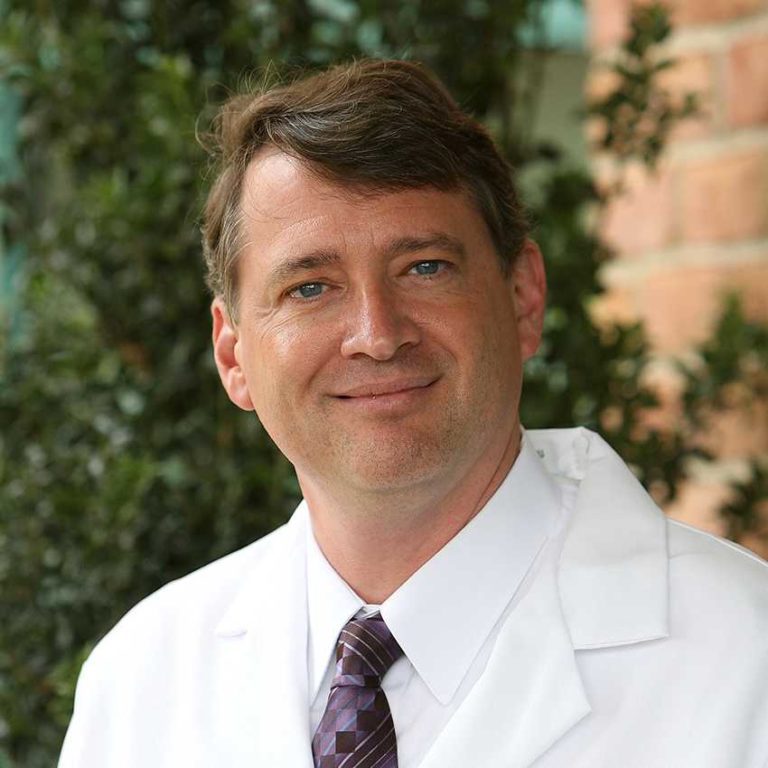
Medical contribution by Jeffrey L. McKeeby, M.D.

Jeffrey L. McKeeby, M.D., is board certified in obstetrics and gynecology and reproductive endocrinology. Dr. McKeeby see patients at SGF’s Annapolis, MD, office.

Filed Under: General

October 1, 2014 by Shady Grove Fertility

March is National Nutrition Month and doctors at Shady Grove Fertility want their patients to know that sound nutrition and the right dietary supplements are very important when preparing to undergo fertility treatment. They recommend a pre-natal vitamin, balanced diet, abstention from alcohol and limited caffeine intake for fertility patients and others hoping to conceive in the coming months.

“So often patients undergoing treatment for infertility feel like they are at the mercy of the medications and treatment options they’ve selected, but are powerless to do anything themselves to effect a positive outcome,” says Dr. Stephen Greenhouse of Shady Grove Fertility’s Fair Oaks office. “When it comes to nutrition, women who are hoping to get pregnant in the coming months can take active, specific steps right now to influence a more positive result for their future children.”
Doctors at Shady Grove Fertility Center make the following, specific nutritional recommendations for all patients pursuing fertility treatment:

  • Take a standard pre-natal vitamin with at least 400 mcg of folic acid daily
  • Limit caffeine intake
  • Abstain from alcohol
  • Maintain a healthy body weight through a well-balanced diet & exercise

“Women who make sound nutritional choices before they become pregnant have a much greater chance of having healthier, less complicated pregnancies and delivering healthier babies,” says Dr. Greenhouse.

Women who are generally healthy and have been unsuccessful in conceiving after several months of unprotected sex should consider getting help from a specialist. American Society for Reproductive Medicine guidelines recommend that women under the age of 35 consult with a fertility specialist after one year of unsuccessfully trying to conceive, while those 35 or older should schedule a consultation after six months. For women over the age of 40, a consultation with a fertility specialist is highly recommended as soon as possible.

For more tips on preparing for a healthy pregnancy, please view Shady Grove Fertility’s Preconception Tips webcast hosted by Dr. Greenhouse. Those interested in learning more can also register for Shady Grove Fertility’s live webcast on Weight, Nutrition & Fertility scheduled for Thursday, March 24 at 7 pm.

For more information or to schedule an appointment with one of our physicians, please speak with one of our friendly New Patient Liaisons by calling 888-761-1967.

Filed Under: General

October 1, 2014 by Shady Grove Fertility

Not all patients are successful on their first try but that doesn’t mean they will not conceive in subsequent treatments or even on their second attempt. Couples struggling with infertility are always trying to increase their chances of pregnancy. If you’ve ever experienced the disappointment of a negative pregnancy test, you’ve probably wondered, ‘is there something I can do to increase my chances of conception on my next try?’

The physicians at Shady Grove Fertility have the same goal as all of our patients, to increase the chances of pregnancy and ultimately take home a baby. When a patient’s cycle is unsuccessful our doctors review, in great detail, the plan used for that particular cycle and ultimately the results to see if any modifications can be made to optimize the patient’s next attempt.

From the careful monitoring and constant tailoring of individual cycles to extensive collaboration and innovation, the physicians at Shady Grove Fertility are always asking themselves how they can improve outcomes.

Collaborative Community

“The nice thing about working in such a large practice,” says Stephen J. Greenhouse, MD a reproductive endocrinologist at Shady Grove Fertility’s Fair Oaks, VA office, “is that the physicians come from many backgrounds and have been trained in different places, so everyone brings something different to the table.”

Shady Grove Fertility fosters an environment of teamwork on every level of patient care. Physicians frequently consult each other for feedback and recommendations whether it is in a formal meeting or through an E-mail. “When I want feedback on a patient, I can send an email to all 24 doctors within Shady Grove Fertility. Having an electronic medical record system allows all of our physicians the ability to review patient records and my notes to provide an in-depth assessment at any time.”
Physicians also attend formal weekly meetings to review complicated patient cases anonymously, the most recent fertility research and studies, and establish changes in the way they care for patients to increase everyone’s chance of success. Journal club, where internal and external research studies and findings are discussed, are not only attended by the providers, but by the embryology department, nursing department, and other groups such as NIH fellows and Georgetown Residents. “We find our meetings and journal club help give us a unified approach to the care our patients receive.” says Dr. Greenhouse.

An additional resource for Physicians with patients undergoing IVF is our embryology staff. Their prospective is unique since they see several thousand IVF cycles a year and can provide valuable information and insight to any treatment cycle.

Getting it Right from the Start

Getting the best results starts at the very beginning – with choosing the treatment plan that best suits each patient. “My decisions about which treatment plan and medication dosage to choose come from the results of the patient’s pre-screening tests,” explains Dr. Greenhouse. “Each test is a small piece of the patient’s puzzle and we can learn a lot from 3 rather simple tests, the patient’s age and her fertility history.”

The first test we start with is the blood work done on the 3rd day of a patient’s menstrual cycle, frequently referred to as “Day 3 blood work.” This test looks at the patient’s E2, FSH and LH. E2 refers to the estrogen level, the main female reproductive hormone which is secreted from the ovary. FSH is the acronym for Follicle-Stimulating hormone. This hormone is released from the brain and stimulates the ovaries to mature an egg. LH refers to ‘luteinizing hormone,’ which is integral in the final maturation and release of a mature follicle. Day 3 blood work along with considering the patient’s age is one of the best indicators we have for a patient’s potential success.


Although the blood work is important, it does not tell the entire story for each couple. We also analyze the partner’s sperm in a test called a semen analysis(SA). Three distinct indicators are measured in a SA – the count, or number of sperm in the sample, the motility, which is the sperms movement, and the morphology referring to the shape and sperm’s ability to penetrate an egg.
The last test we look at is the Hysterosalpingogram, or HSG. This test indicates if the uterine cavity is a normal shape, void of any obstructions such as polyps or adhesions that may cause miscarriage and the condition of the fallopian tubes. Physicians also look for hydrosalpinx, a condition that occurs when the tubes are filled with a fluid that can leak into the endometrial cavity at the time of implantation and decrease pregnancy and implantation rates by 50 percent. For patients with no open tubes or the presence of a hydrosalpinx , frequently IVF would be the preferred course of action. To successfully treat a patient using an IUI there would need to be at least 1 open tube.

Any single piece of the puzzle does not tell the entire story but when you put all the pieces together along with factors like the patient’s age and fertility history, including failed or cancelled cycles, physicians can select the most appropriate course of action to successfully treat a patient. Sometimes there are more than one option for patients whether it be IUI, IVF, or the use of Donor eggs. Selection of the right method is often the patient’s decision.

Monitoring and Tailoring

The first step in any treatment cycle is the stimulation phase, where prescribed medications, administered both orally or by injection, help grow and develop follicles. Along with daily medication, patients will also frequently monitor at their local office. The number of monitoring appointments will vary based on the type of treatment cycle, IUI cycles patients usually have 3-6 monitoring appointments where as in IVF cycles they have 5-8 over a 2 week period.

In each monitoring appointment, patients will have an ultrasound and blood drawn to be tested which determines how the cycle is progressing. The resulting blood test will tell the physician how the cycle is developing and how the patient is responding to the medication. “I’ll look to see how the egg follicles are developing and what the estrogen level is. If a patient is responding too fast to the medication, for example, we will lower the medication dosage. If we see that she did a previous cycle and her eggs weren’t mature, we will try to push the stimulation phase an extra day.” Frequent monitoring appointments allows physicians to closely track the progress of each cycle and optimize the treatment plan to result in the most desired outcomes as possible.

The second part of the monitoring is the ultra sound. Physicians look for 2 things in this step, the number of follicles and their size which indicates their level of maturity. The ideal number of follicles differs in an IUI cycle than in an IVF cycle. IVF provides greater control of the final number of embryos transferred where as an IUI cycles if there are more than 2-4 follicles the chance of multiplies increases drastically and frequently will lead to a cancelled cycle. When a cycle is cancelled, the patient stops their medication and abstains from intercourse until she gets a period and thus is able to start another cycle.

Patients have the ability to monitor at any Shady Grove Fertility office because of our electronic medical records system that enables every doctor to access a patient’s chart and medical information. “Each day that one of my patients comes in for monitoring, regardless of which office they visit, the results of their bloodwork and the images from their ultrasound are entered into the system, and I can review them,” says Dr. Greenhouse.

Monitoring results is another way Shady Grove Fertility physicians are able to work together on each patient’s cycle. There are always two doctors – the patient’s primary physician and another member of the medical team – who review monitoring results and sign off on the patient instructions. “If I’m not physically there for the patient’s monitoring,” says Dr. Greenhouse, “the doctor who is present will add notes into the chart for me to read about what they saw and their recommendations are for the patient.”

Under the Microscope

In the case of IVF treatment, the data keeps coming in after the egg retrieval and fertilization. Each subsequent day up until the embryo transfer, both the doctor and the patient get an update on the status of the embryos.

Our physicians often consult with the embryologists to get more unique information. “I will call them or even walk into the lab to talk to them in person,” Dr. Greenhouse says. They often make suggestions on the development of a patient’s embryos, if they are progressing in a normal fashion, whether to transfer of day 3 or day 5 and what is an appropriate number of embryos to transfer.

Discussing Next Steps with Patients

After the completion of a treatment cycle, if a patient’s beta (pregnancy test) comes back negative, physicians review the last cycle in detail. “When a patient has a failed cycle, the most important thing for me to convey is that she didn’t do anything to prevent the pregnancy,” says Dr. Greenhouse. After the cycle physicians now have so much more information that can be added to the puzzle to determine what the next move should and will be. “We have to respond to what the cycle is telling us, make adjustments and try again.” says Dr. Greenhouse.

After a thorough review by a patient’s physician, and potentially several others, patients are encouraged to meet with their doctor to discuss what was learned from the last cycle and what that means for the next cycle. Deciding how to proceed is ultimately up to the patients, but the goal is to arm patients with as much information about their options moving forward.

Something most patients wonder about is how many times it’s reasonable to try a particular type of treatment, like IUI, before moving on to something different, like IVF. Dr. Greenhouse says that to answer this question, he looks to his cycle review but also to success rate statistics. “It’s true that after three to four attempts the success rates go down. That factors into the decision, it’s another piece to the puzzle. We also have to be aware of the emotional toll of multiple treatment cycles. Patients can get discouraged by trying the same thing over and over without success.”

All of our physicians work to set expectations about the number of cycles we would try before we start a new treatment. Dr Greenhouse tells patients for example “I’m comfortable with trying IUI three times before we talk about possibly moving to IVF’. It’s better for the patients, I think, to have a sense of where we’re going from the beginning, so that if they do get a negative result, they know that we still have options left.” Most importantly, Dr. Greenhouse tries to give his patients support, perspective and a hopeful outlook about continuing treatment.

Filed Under: General

October 1, 2014 by Shady Grove Fertility

Medical Contribution By Dr. Eric Levens

Claims that nutritional supplements will improve our health are gaining headlines in the media and in the popular press. While some supplements may provide some health benefits, including pregnancy-related outcomes, many nutritional supplements may not be as safe as they would seem.

“I frequently get asked about vitamins and supplements with respect to fertility,” said Annandalephysician Dr. Eric Levens. “Many patients are surprised to learn that excessive vitamin intake could create some medical complications for both the mother and baby. This is especially the case for fat-soluble vitamins (A, D, E and K).”

Another concern with nutritional supplements is that some have been found to contain contaminants such as toxic plant materials and prescription medications, to name a few.Dr. Levens echos a sentiment that all Shady Grove Fertility physicians feel – additional nutritional supplementation outside of a standard prenatal vitamin is not necessary. A typical prenatal vitamin will provide sufficient vitamins and minerals for a healthy early pregnancy. The amount of vitamin A, for example, in standard prenatal vitamins (4,000 to 5,000 IU) is considered the maximum recommended dose before and during pregnancy.

“Given lax oversight of dietary supplements, it’s not surprising to find that numerous contaminants have been identified in nutritional supplements including those with estrogen action resulting in adverse effects on reproductive function,” said Dr. Levens.

Prior to 1994, dietary supplements (vitamins, minerals, amino acids, and botanicals) were considered food additives and thus were required to demonstrate safety prior to product marketing. Since the passage of the Dietary Supplement Health and Education Act in 1994, supplements are now presumed to be safe until shown otherwise.

Relaxed federal regulation, largely unknown by consumers and physicians alike, has created an environment in which hazardous supplements may be produced with little product liability. To date, more than 140 contaminated products have been identified, but this likely represents only a small proportion of the total contaminated products available today.

With the exception of folic acid, there has been little conclusive research demonstrating a benefit of nutritional supplements for fertility or during pregnancy.

“Folic acid has been shown to reduce the incidence of a specific birth defect known as neural tube defects by as much as 36 percent,” said Dr. Levens. “As a result, the Centers for Disease Control and Prevention and the US Public Health Service recommend that women of reproductive age take 0.4 mg of folic acid daily before conception and during the first trimester.”

It is commonly recommended that women who have a prior history of a pregnancy affected by a neural tube defect or who are taking anti-seizure medications take 4 mg (10 times the amount) of folic acid in the months in which conception is attempted as well as for the first trimester. Studies have shown that this measure can help reduce the risk of neural tube defects by a remarkable 80 percent.

Still, Dr. Levens says that the most important thing a woman can do while preparing for and during pregnancy is make sure they get most of their nutrition through a well-balanced diet.

“Nutrition is an essential component of preconception care for all patients. The combination of a well-balanced, varied diet that is consistent with a woman’s food preferences and a standard prenatal vitamin should be sufficient to meet the dietary needs of a developing pregnancy.”

For answers to additional questions or to schedule an appointment to see a Shady Grove Fertility physician, please speak with one of our specially trained patient liaisons by calling 888-761-1967.

Filed Under: General

October 1, 2014 by Shady Grove Fertility

Blizzards may be tolerable to a point, but to a fertility patient who’s in the midst of a treatment cycle, the kind of slow-down’s inherent in bad weather can toss an otherwise perfectly timed effort at conceiving into an anxious tailspin.

At Shady Grove Fertility, the thought of closing down due some snow and wind was not an option. Open nearly every day of the year, the plans to keep the Center running smoothly, and patients on their cycles, began as soon as reports of the impending storms began days earlier.

“From February 6th, the beginning of first blizzard, through the 11th, when the second blizzard ended, our team of doctors, nurses, embryologist and patient service staff members kept over 1,800 patients on track in their cycle,” SGFC nurse Karen Calabrese said.

A hotel within walking distance of the Rockville office became the site for staff and patients alike to hunker down. Arrangements were made for food from local eateries to be delivered. The group of about 30 Shady Grove Fertility staff, and later a handful of patients who’d arrived for egg retrieval appointments, kept their spirits up by playing cards and board games. Once several feet of snow from the first storm had paralyzed the city as expected, the center’s staff had only a couple of blocks to walk or drive to meet patients at the Shady Grove Fertility facility.

Keeping Patients on Track

Timing is a crucial issue in fertility treatment, from scheduling medications around a woman’s ovulatory cycle to the more advanced procedures of IVF. While many patients were rescheduled for the days leading up to and after the major snowfall, patients who were nearing the end or at the end of their IVF cycle had little chance of postponing their egg retrievals.

“Morning treatment monitoring and embryo transfers can wait safely,” Calabrese explains, “but egg retrievals really must be performed within 36-hours of a patient giving their trigger shot. We were relieved that we had the resources on board to make sure our patients didn’t lose precious time during such a transportation-stopping storm.”

During the first leg of the storm, February 6 and 7, Shady Grove Fertility performed 32 egg retrievals, 27 embryo transfers and 21 IUIs while 14 egg retreivals, 16 embryo transfers and 7 IUIs took place during the second blast on February 10.

And it just wasn’t patients and staff that were affected by the wintery conditions. When Shady Grove Fertility’s Director of Embryology Jim Graham noticed that the lab’s out-take vent was being impeded by packing snow, he climbed on the building’s roof and cleared the snow from around the area thus protecting the lab’s most precious contents in the building, the growing embryos, from abrupt environment changes.

Patients Persevering Through the Conditions

While most fertility patients have a unique story to their fertility journey that they will always remember, the patients that were involved in the Blizzards of 2010 will never forget the length’s they went to in order to build their family.

“One patient was experiencing muscular pain from having to move a fallen tree from their driveway, with her husband’s help, so they could get in to their appointment with us,” says Calabrese.

A falling tree may have been an easier roadblock for UK patients Dave and Cindy than what they endured to make their appointment. Their journey spanned two countries, five states and countless setbacks that could have diminished anyone’s hope.

Their journey began on Tuesday by learning that their flight from Heathrow to Washington’s Dulles Airport had been cancelled due to the second storm arriving in the area Tuesday morning. After working with the ticketing representatives, the couple were able to change their flight plans to try and fly into the closest airport that was not being affected by the major storm. This meant that they would rebook to fly to Chicago then onto Charleston, South Carolina. They hoped that once they landed at Chicago’s O’Hare Airport they would be greeted with the good news that Dulles reopened or that they would be able to fly into another Washington area airport.

The couple’s hopes of flying into anywhere other than Charleston, which they were already ticketed for, was dashed once they landed at O’Hare.

“Chicago was chaotic, no one seemed to know which airports were open and which were not,” said Dave. He added, “We had the choice of staying on the Charleston flight or going on stand-by to a closer location – with no guarantee that the flight would go ahead and the chance that we could loose our luggage for several days if we checked it in and the flight got canceled. So Charleston it was.”

Nervous about whether they would be able to make their transfer appointment, they couple turned to modern technology to help them find out when they needed to be in Rockville for their appointment – but that failed them.

“We needed to make some calls only to discover both our mobiles, although set for roaming, would not make outgoing calls,” said Dave. After decoded the instructions on the airport pay phones and worked out that the credit card reader we managed to make the all important call to Shady Grove. Our call was returned with the good news that our transfer was scheduled for Friday. This was a massive relief as we had thought that we would need to be in Washington by Wednesday morning.”

With the relief that they had two days to get to Shady Grove Fertility, the couple boarded the flight to Charleston.

Once the couple landed in Charleston they checked the weather report to see whether they would be able to fly into the DC region. With the storm still pounding the area and no guarantee that they would be able to get a flight into the region anytime soon, the couple rented a car with the intention to drive 9 hours up to Richmond, Virginia, spend the night and continue their drive to Rockville the next day.

Feeling that they were making good time on their drive to Richmond, the UK couple decided to stay on Interstate 95 and continue driving another hour to Fredericksburg, Virginia where they would stop and rest. When they heard that there was the possibility of another storm blanketing the area in the morning, they decided to continue their journey another hour to Dulles Airport, their original destination, where they would drop off their rental car and pick up the car they reserved for when they arrived.

Dave describes his drive into the snow covered region. “As we started east on the Interstate 495 at about 9 pm there was compacted snow on the highway. The road conditions varied from treacherous to easily passable and most of the traffic that we had seen further down 95 had disappeared. We were in a small convoy with four other vehicles. By this time there was medium snowfall and the water was freezing on the windshield so we had to keep the heat and de-mister on full.”

Approaching a day into their journey, they arrived at Dulles to pick up their car only to find out that not even Mother Nature can alter car rental booking rules.

“We got to an eerily quiet Dulles at about 10 pm to find that our original rental car booking had been canceled as we were seven hours over their late arrival limit,” Dave said. “The staff, although helpful were unable to re-activate our initial contract, but were able to rent us a car for more than three times the original price – if we wanted.”

With limited choices and exhaustion setting in, the couple decided to rent a car while the details of a new reservation were being sorted out. Dave and Cindy left the airport around 1 am and began their 45 minute drive to Maryland.

Dave recalls, “The journey from Dulles to Rockville was remarkable by the fact that we did not see one other vehicle on the road for the whole trip which was good as by this time the road was mainly a sheet of ice that we skated down the middle of!”

The couple arrived safely in Rockville, checked into a hotel and went to sleep around 3 am. The next day, the couple awoke to see the remnants of the storms path and reflect on the journey they had just been on to insure they would arrive in time for their transfer.

“In daylight we could appreciate the magnitude of the storm,” said Dave. “To put it in context, in the middle of January, England had approximately 4 inches of snow fall over a period of 24 hours. The nearly two feet that fell in Maryland was enough to bring most of the country to a standstill for several days.”

Friday morning, Dave and Cindy got up and arrived at Shady Grove Fertility for their transfer. While their trip took many twist and turn, the couple was grateful for being able to communication with the staff of Shady Grove Fertility along their snow bound journey.

“To all the staff at Shady Grove for keeping the operation going, a huge thank you for making our trip worthwhile. Your efforts meant our transfer went ahead as planned.”

Filed Under: General

October 1, 2014 by Shady Grove Fertility

Weight has always been an issue for Jennifer. But when it became the prime obstacle in trying to have a baby, Jennifer decided it was time to make significant lifestyle changes.

Marrying at age 30, Jennifer knew to seek advice from a fertility expert after one year of unsuccessful attempts at conception. Jennifer was referred to Dr. Melissa Esposito in Shady Grove Fertility’sFrederick office by her OB/Gyn who had been a college classmate of Dr. Esposito. Jennifer’s Day 3 blood work and examinations revealed a potential reason for her inability to get pregnant: polycystic ovarian syndrome, or PCOS.

Dr. Esposito recommended that Jennifer and her husband Tony began their fertility journey with a couple rounds of Clomid and timed intercourse, but when both cycles ended in “chemical pregnancies” – meaning the egg fertilizes and implants in the uterine wall but the beta hCG levels don’t progress, indicating lack of embryo development – Dr. Esposito felt their next best option was In Vitro Fertilization or IVF.
After two failed cycles and nearing the end of their insurance benefits, the couple decided to take a break from treatment to rest and ponder their next steps. During their break, Jennifer received some surprising news in the form of an insurance plan change at Jennifer’s employer. This fortunate turn of events meant that her infertility benefits would start over at “square one.” Jennifer and Tony decided in January of 2010 to return to Shady Grove Fertility to talk with Dr. Esposito.

Dr. Esposito recalls that post-break consultation in which she addressed an issue that she says may have been an additional factor to Jennifer’s infertility – her weight. “I had a heart-to-heart with Jennifer and Tony about her weight,” said Dr. Esposito. “While she did have PCOS, there was no particular reason for the losses she’d had in treatment so far. From research, we know that a certain level of body fat works against a person’s fertility, so I asked her to try and lose 10 percent of her body weight and come back in six months.”

The research that Dr. Esposito discussed with the couple confirms that reducing even as little as five to ten percent of a person’s body weight can help their hormonal levels balance toward an optimally fertile state. “Ten percent of my weight at that time was 30 pounds,” Jennifer says. “I was in the right frame of mind to hear this directive. At that point, I thought to myself, ‘I haven’t really done anything on my end to help this process along.’ So I was ready to make the necessary changes to help increase my chances of getting pregnant.”

On Dr. Esposito’s recommendation, Jennifer consulted with a nutritionist at Pulling Down the Moon, Shady Grove Fertility’s complementary medicine partner, in their Rockville location. She was surprised to find that she wasn’t given a strict, regimented diet or exercise requirements to accomplish losing what they felt was a safe two pounds per week.

“They taught me about the foods that help women with PCOS, like cruciferous vegetables, and told me to cut back on red meat and avoid low-fat dairy. I used a daily intake goal of around 1,600 calories per day, and we decided that based on my schedule, lunch should be my biggest meal every day.” Jennifer remembers initially thinking that she could “‘just eat a frozen Weight Watchers meal for lunch,’ but my nutritionist at Pulling Down the Moon said she’d rather see me eat a sandwich because of the high amounts of fat and sodium in processed frozen foods.”

To increase her activity level, Jennifer started walking for 10 minutes on a treadmill three days a week. Each week, she added 10 minutes to her walk, and then she added days to her weekly exercise routine. Currently she is walking up to four miles a day, five days a week.

Jennifer also credits her husband’s supportive ways, like when he gave her a digital food scale for Valentine’s Day. “At first, I was taken aback,” she says now, “but when he explained his thinking that this would simplify my life – instead of trying to estimate how many calories I was eating, I would actually know for sure – I thought it was just the sweetest gift.”

“At first, the weight fell off,” she recalls, “so it was easy.”Jennifer stuck with her diet and exercise regimen, and by the time she saw Dr. Esposito in May (one month earlier than their initial plan), she’d lost 70 pounds. Her body mass index (BMI) dropped from 42 in January to 32 in May, a very healthy difference she says. “Dr. E freaked out when she saw me in the waiting room,” Jennifer laughs.

Jennifer began her second IVF cycle in July nearly 90 pounds lighter then when she had met with Dr. Esposito in January. This time she produced 14 eggs – 11 of which fertilized – and she and her husband decided to transfer two day 5 embryos back. The result of this cycle is a healthy singleton pregnancy which Jennifer says she is ecstatic about.

Jennifer describes her pregnancy so far as “absolutely perfect.” She’s still walking, having cleared it with her OB, and she believes the routine has resulted in more energy during this pregnancy than she would have had otherwise. “I have upped my calories to about 2,000 per day to keep up with the pregnancy, but I still keep an eye on what I eat.”

In a way, Jennifer’s experience with infertility has led to some very positive changes in her whole life. She says she was the heaviest she’d ever been when they first sought fertility treatment, partly because of sadness since her father’s death the previous year. “I am a person who placates my feelings with food.”

She adds that going through infertility also prompted “a cycle of ‘okay, well here we go back to the doctor’ and it feels like it never ends. But now,” she says, “if I’m worried or anxious, I do something other than eating five cookies – like get on the treadmill.”

She also credits the honesty and support of Dr. Esposito who not only wanted to see her successful, but also helped in providing the resources necessary for her to be able to reach her ultimate goal. “While I knew my weight was an issue, I think it was the honesty that Dr. Esposito had to basically say that by shedding some weight I could be successful,” Jennifer says. “I had an amazing relationship with her, and trusted her through this entire process. I couldn’t be happier right now.”

To learn more about treatment options right for you or to schedule an appointment to see one of our physicians, please speak with one of our friendly New Patient Center Liaisons by calling888-761-1967.

Filed Under: General

  • « Go to Previous Page
  • Page 1
  • Interim pages omitted …
  • Page 25
  • Page 26
  • Page 27
  • Page 28
  • Page 29
  • Interim pages omitted …
  • Page 46
  • Go to Next Page »

Company

  • About SGF
  • About US Fertility
  • Our Doctors
  • Fertility Equity
  • Careers
  • Newsroom
  • SGF College Scholarship
  • Contact Us
  • Voice Your Feedback

Treatments

  • Egg Freezing
  • Intrauterine Insemination (IUI)
  • In Vitro Fertilization (IVF)
  • Frozen Embryo Transfer (FET)
  • LGBTQIA+ Family Building
  • Shared Risk 100% Refund Program
  • All Treatments

Resources

  • Patient Portal
  • Online Bill Pay
  • Library
  • Support Groups & Events

Locations

  • California
  • Colorado
  • Delaware
  • Florida
  • Georgia
  • Maryland
  • North Carolina
  • Pennsylvania
  • Texas
  • Virginia
  • Washington, D.C.

2026 Shady Grove Fertility

  • Policies & Notices