• Skip to primary navigation
  • Skip to main content
  • Skip to footer
Shady Grove Fertility
  • Become an Egg Donor
  • Referring Physicians
  • 1-888-761-1967
  • Schedule Appointment
  • Get Started
        • Get Started
          • Causes of Infertility
          • Fertility Tests
          • When to Seek Help
          • Find a Doctor
          • Preconception and prenatal vitamins 
          • Schedule an Appointment
        • Personalized Care For
          • Single Parents
          • LGBTQIA+ Family Building
          • People with Cancer
          • Known Genetic Diseases
          • Egg Donors
  • Treatments
        • Fertility
          • Timed Intercourse
          • Ovulation Induction
          • Intrauterine Insemination (IUI)
          • In Vitro Fertilization (IVF)
          • Frozen Embryo Transfer (FET)
        • Donation & Surrogacy
          • Donor Sperm
          • Donor Egg
          • Donor Embryo
          • Gestational Carrier
          • LGBTQIA+ Family Building
          • Single Parents
          • Find a Donor
        • More Treatments
          • Center for Male Fertility
          • Egg Freezing
          • OncoFertility
          • Preimplantation Genetic Testing
          • MIGS
          • All Fertility Treatments
  • Resources
    • Resource Library
    • Events Calendar
    • Patient Stories
    • Mental Health
    • Wellness Center
  • Insurance & Savings
    • Insurance & Benefits
    • Shared Risk 100% Refund Program
    • 100% Refund for Donor Egg
    • Discounts
    • Egg Freezing Costs
    • Financing & Grants
    • Clinical Trials
  • About
    • Find a Doctor
    • About SGF
    • Our Care Team
    • Advanced Practice Providers
    • Fertility Equity
    • Philanthropy
    • Newsroom
    • Careers
    • Contact Us
    • Voice Your Feedback
  • Locations
        • Find a Location
        • California
        • Colorado
        • Delaware
        • Florida
        • Georgia
        • Maryland
        • North Carolina
        • Pennsylvania
        • Texas
        • Virginia
        • Washington, D.C.
        • Chile
        • International & Out of State
        • SGF at Walter Reed National Military Medical Center
  • Patient Hub
    • Online Bill Pay
    • Patient Forms
    • Patient Portal
  • Call your care team
  • Become an egg donor
  • Referring physicians
  • search-icon
  • Schedule appointment 1-888-761-1967

Diminished ovarian reserve

May 8, 2026 by

We started our trying-to-conceive journey in the early spring of 2023, using apps to track ovulation and fertile windows. After about nine months of negative tests, we learned about Shady Grove Fertility through a friend who was undergoing treatment at the time and having a very positive experience. We set up our initial consultation in April 2024 with Dr. Valerie Libby, and from the start, we were impressed.

We went through initial testing which included bloodwork, ultrasounds, a saline sonogram, and an HSG. Through that testing, we found out that I had a hydrosalpinx — a completely blocked tube — on my right side, uterine fibroids, and a lower-than-average follicle count and AMH level. Following testing, we set up our treatment plan, which included a freeze-all egg retrieval, surgery to remove my tube (salpingectomy) with hysteroscopy and myomectomy to remove fibroids

Finding fertility care at SGF

For our first egg retrieval, we completed estradiol (E2) priming to start, followed by injections with monitoring appointments. Following our first egg retrieval, we were met with a lot of grief and disappointment — we did not end up with any viable embryos. We felt defeated, but we knew we wanted to try again.

Dr. Libby took our case to the team at Shady Grove Fertility, where all the doctors could consult and provide thoughts on our next treatment cycle. We immediately went into a second round of egg retrieval using a different protocol, with high hopes of getting a couple of embryos to freeze prior to surgery. This second retrieval included adding acupuncture, estradiol patches, and injections. We also adjusted dosages of vitamins I was taking. At the end, we had two embryos, and one came back genetically normal.

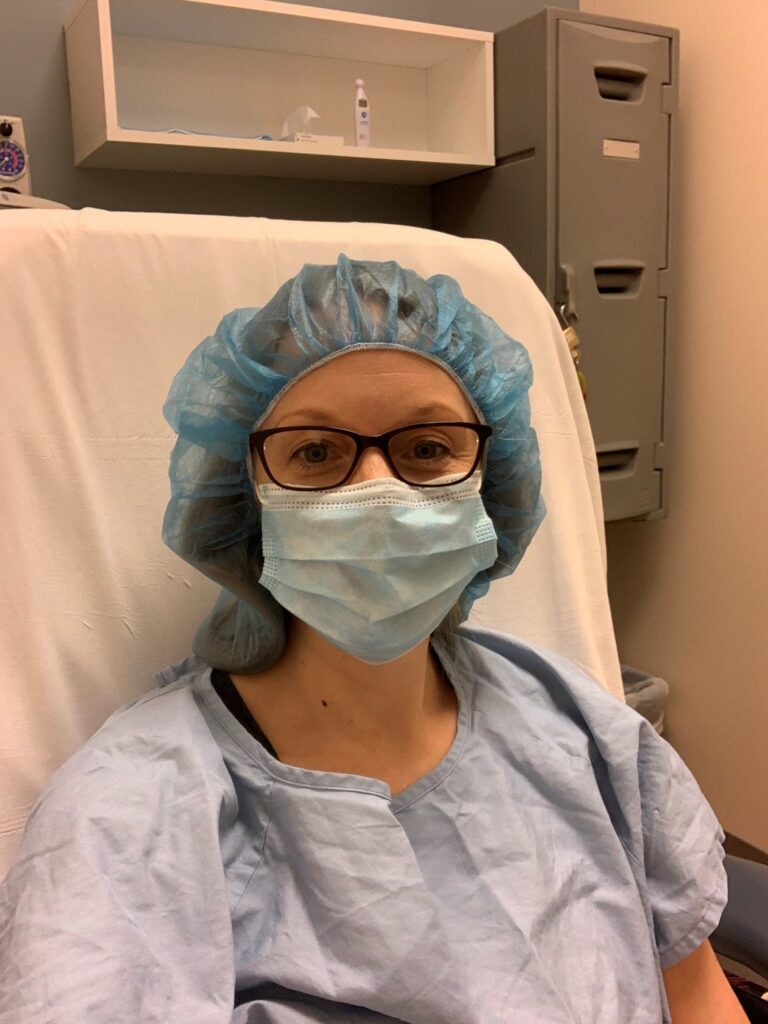
I underwent surgery in December 2024, and following a repeat saline sonogram in March 2025, we were cleared for our frozen embryo transfer (FET). We were so excited.
Parenthood is possible

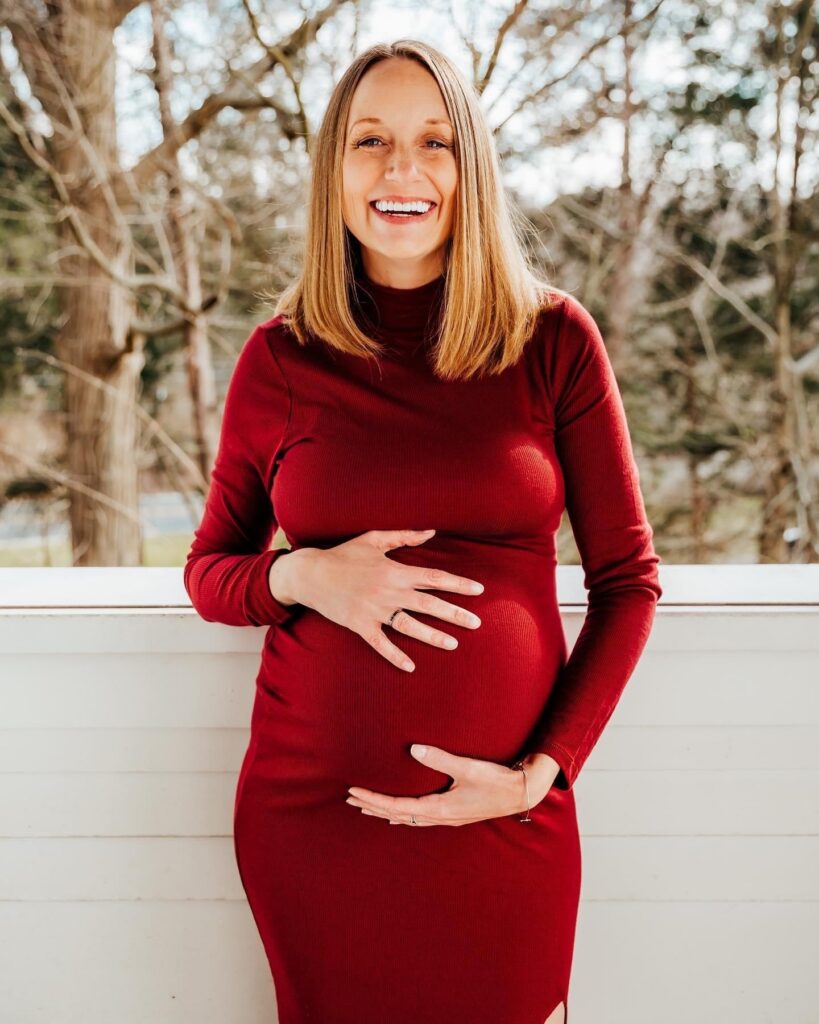
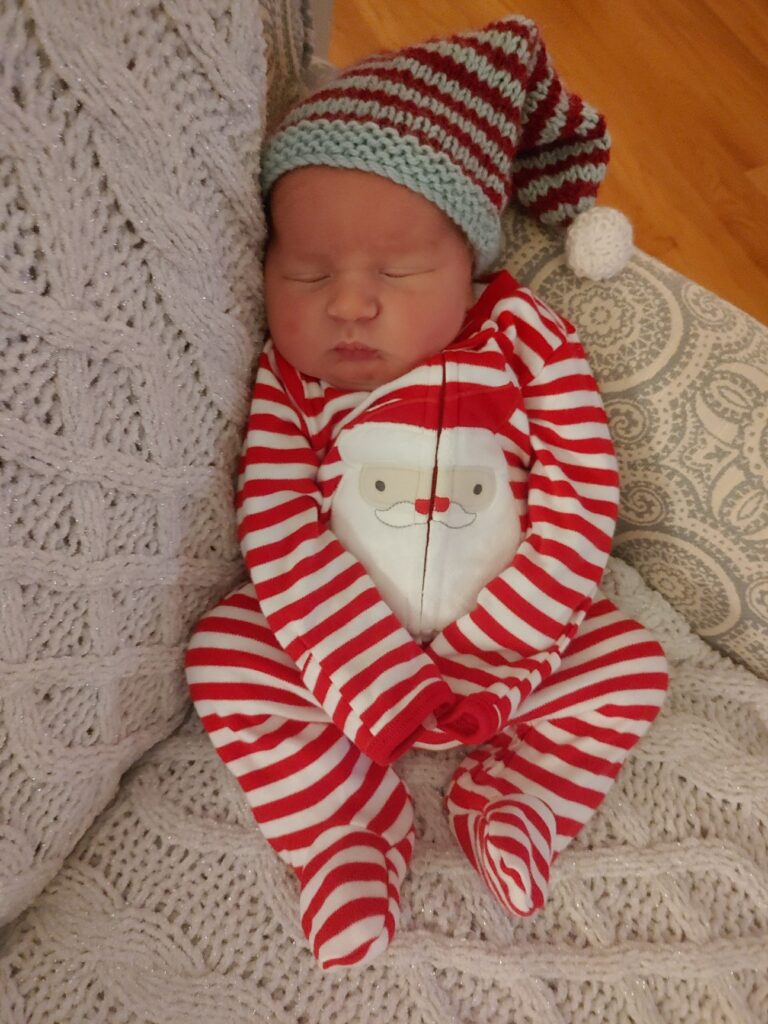
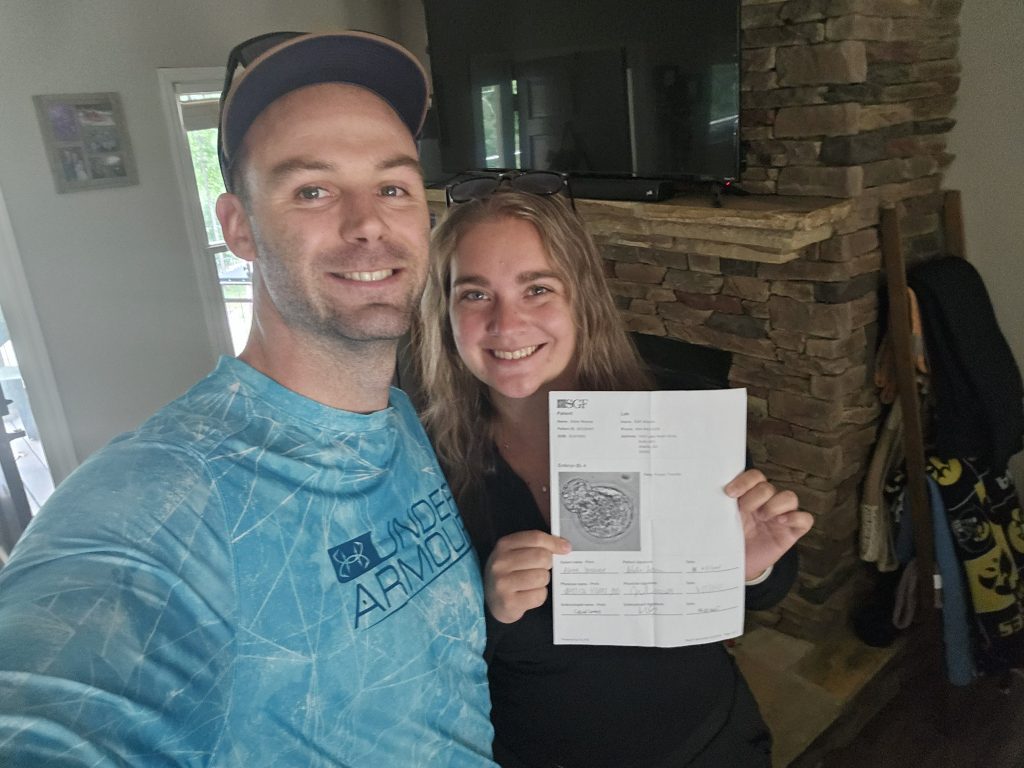
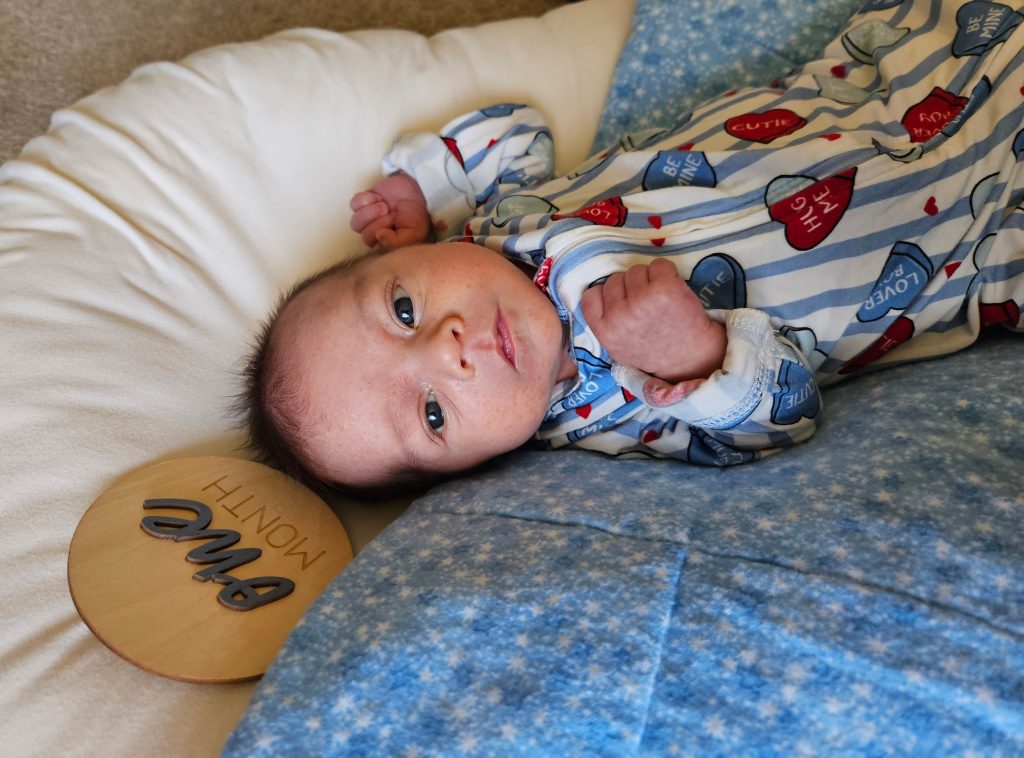
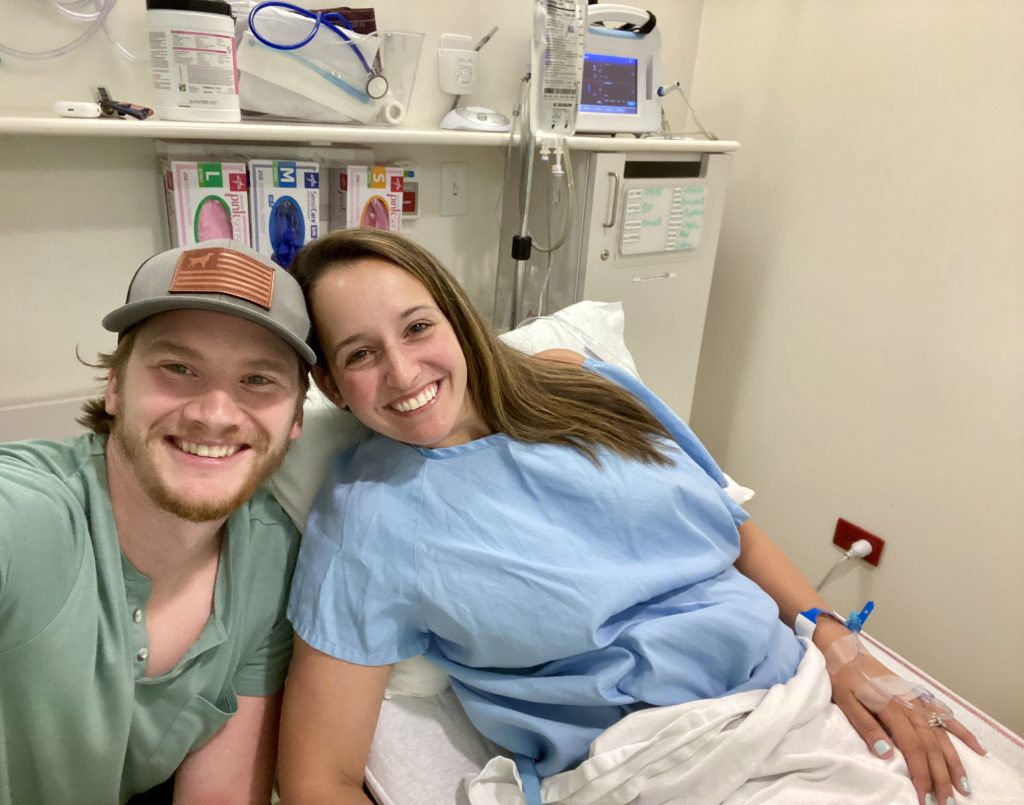
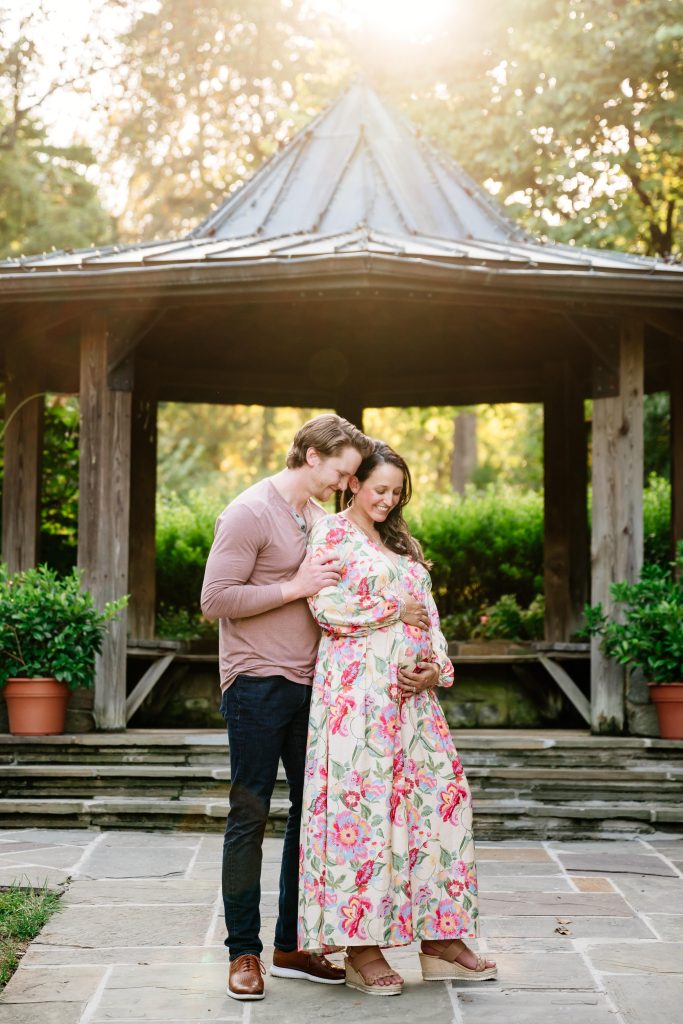
Our FET cycle included oral medication and a daily progesterone in oil injection. We completed our FET on June 5, 2025, and on June 16, bloodwork confirmed we were pregnant. We delivered a healthy baby boy early on January 14, 2026, and feel incredibly blessed and thankful for this difficult but rewarding journey we went through to get here. It’s true what they say — it only takes one.

Our biggest advice for other couples going through infertility treatment is to continue to live life the way you want to. I took my injections with me everywhere — the lake, restaurants, concerts, in the car — because the infertility journey can be long, longer than we thought it would be, and we wanted to continue to live our lives the way we wanted to. We didn’t want infertility to change us or limit what we were able to do, and it helped to alleviate some of the stress related to our treatment.

SHARE YOUR STORY

Share experiences.
Share hope.

Submit Your Story

Need-to-know fertility resources and guidance

Diagnosis and treatment

We understand you may have questions about infertility and how it’s treated. Gain answers from the diagnosis and treatments shared in this story.
Infertility terms
In vitro fertilization (IVF)
Fibroids

Receiving care

Assemble your fertility care team close to home. Explore our different locations and physicians who will provide guidance along your journey.
Dr. Valerie Libby
Atlanta – Sandy Springs, Georgia, location
Find a location near me

Filed Under: Inspiration Tagged With: Fibroids, In vitro fertilization (IVF)

January 22, 2026 by


After an extended period of hoping to grow our family, with no red flags from initial OB bloodwork, we reached out to Shady Grove Fertility to begin our fertility journey. It was there that we learned I had diminished ovarian reserve, something that hadn’t shown up as concerning to my OB when earlier testing was done.  

A personalized treatment plan

We began treatment with intrauterine insemination (IUI)—completing five rounds (with one canceled)—but unfortunately, none were successful. At the start of the new year, we moved on to in vitro fertilization (IVF), determined to keep pushing forward. Under the care of Dr. Rebecca Chason, we did three back-to-back IVF cycles, and I am so grateful for her willingness to try a different approach for each one. Her flexibility, commitment, and compassion gave us a lot of hope in an otherwise uncertain and very challenging process!  

Our first embryo transfer didn’t take, and while discouraging, it also made me feel even more strongly that we needed to dig deeper. Because of my diagnosis and the number of cycles it took to bank embryos, I advocated for additional testing—and was so thankful that Dr. Chason and our amazing nurse, Colleen listened and supported that decision.  

We started with a hysteroscopy, followed by a mock transfer cycle and a ReceptivaDx biopsy, which tested for things like endometritis, endometriosis, and progesterone timing. The results showed I needed an extra day of progesterone before transfer, and I was also flagged for silent endometriosis. To give us the best chance possible, we did two months of Lupron suppression therapy to prepare for our next transfer. This was finally the answer we were looking for because our second embryo transfer worked!  

SGF’s care team made all the difference

This 21-month journey tested our patience and our strength in every way, but having a team who listened, adapted, and truly partnered with us made all the difference. Thank you so much, Dr. Chason and Nurse Colleen, for all of your care and support throughout our journey. You made us feel so comfortable and cared for every step of the way. We’ll never forget how you both even made sure to be there during our very first ultrasound—it meant the world to us and is something we’ll never forget! 

Full of gratitude

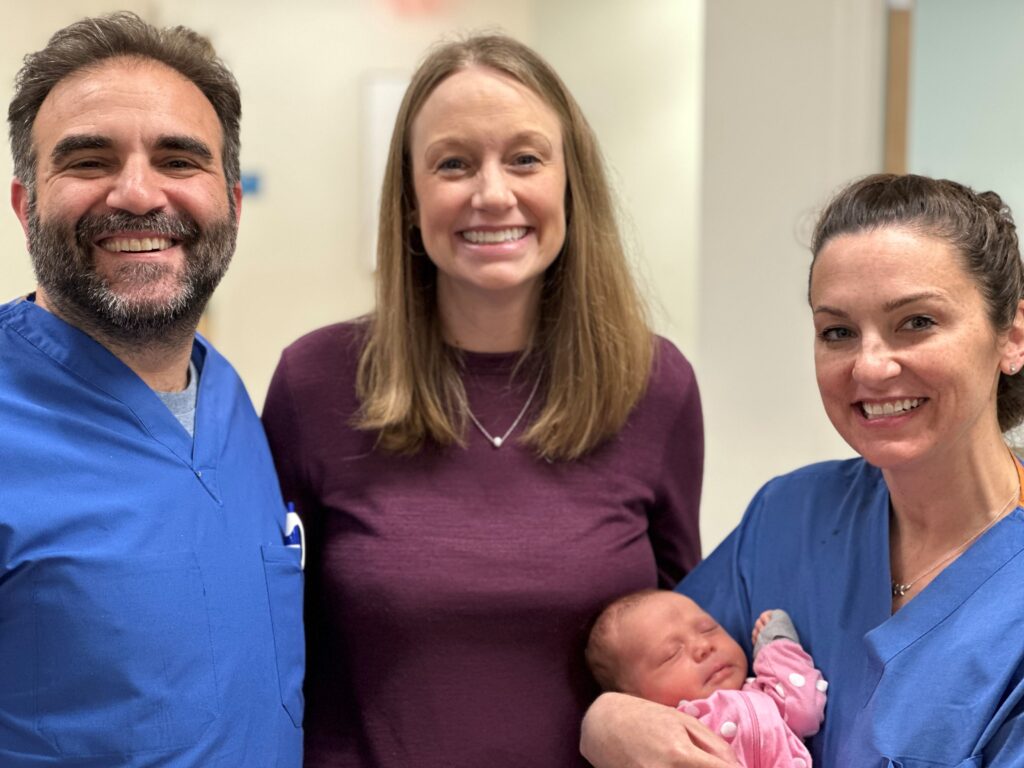
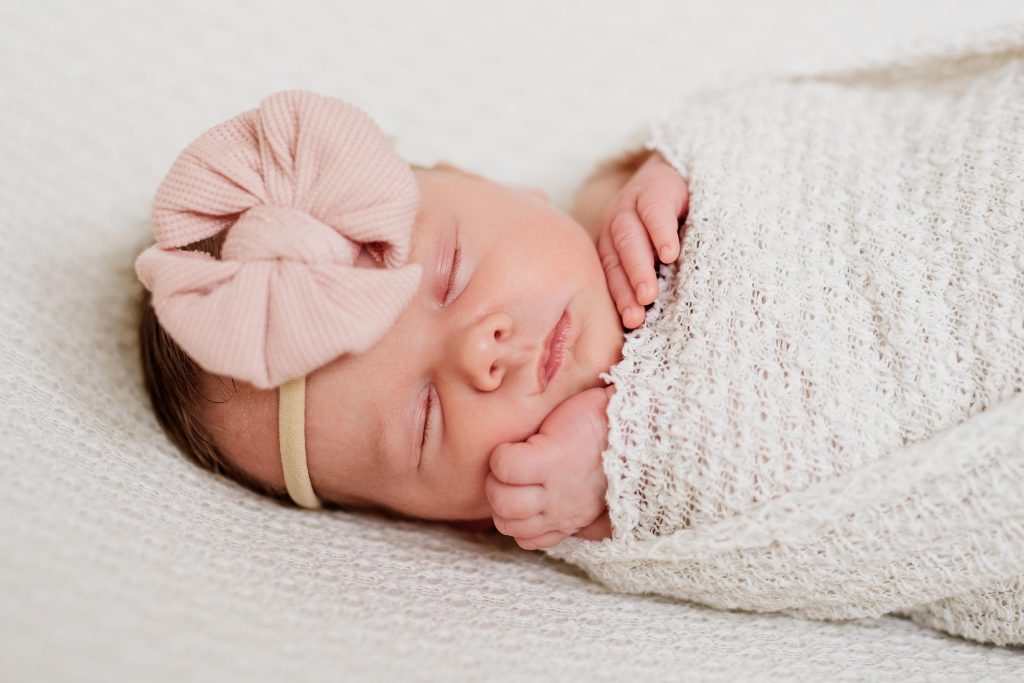
We’re also endlessly grateful to all those at Shady Grove Fertility in Annapolis and Towson who played a part in helping us get to our Sofia Grace. If you’re in the middle of your own journey – keep the faith, ask the questions, and trust your instincts. Our journey was long, challenging, but most importantly, beautiful. We learned that through difficulties, grow miracles!


SHARE YOUR STORY

Share experiences.
Share hope.

Submit Your Story

Need-to-know fertility resources and guidance

Diagnosis and treatment

We understand you may have questions about infertility and how it’s treated. Gain answers from the diagnosis and treatments shared in this story.
Infertility terms
Diminished ovarian reserve

Receiving care

Assemble your fertility care team close to home. Explore our different locations and physicians who will provide guidance along your journey.
Dr. Rebecca J. Chason
Annapolis, Maryland, location
Find a location near me

Filed Under: Inspiration Tagged With: diminished ovarian reserve, Genetic testing, In vitro fertilization (IVF)

April 29, 2025 by


Prior to starting a family, my husband, Chris, and I enjoyed an incredibly exciting life. We met in 2013 in my home state of Hawai’i. He was a Navy pilot stationed at a nearby military base, and I was just starting my career as a music teacher. We met for a breakfast date and have been inseparable ever since. We spent our time traveling the world, competing in triathlons, trying new restaurants, and giving our parents a few extra gray hairs every time we went skydiving or bungee jumping. We weren’t ready for kids yet—Chris was deploying every other year, and I was applying to Ph.D. programs.

Eventually, Chris wanted to leave flying for something more stable that would allow him to be home for our future children. We took orders to Northern Virginia so he could finish his active-duty career in Chantilly while I was a full-time Ph.D. student at the University of Maryland, College Park. Once we knew Chris wouldn’t be deploying or moving again, and I was on track to defend my dissertation, we stopped preventing pregnancy.

It was no surprise that we might have trouble conceiving. I experienced a damaging bilateral ovarian hernia at four months old, which is a pretty rare occurrence. Although a talented surgeon happened to be on call to do the repair, he warned my parents that my ovaries were badly damaged and that I might not be able to have biological children. My parents were open with me about this growing up, but it wasn’t concerning or relevant until Chris and I wanted to build a family. I would periodically ask my OB/GYN if she thought I’d have trouble conceiving, but I was assured that since I had regular cycles and was young, I’d probably be fine. In retrospect, my situation was so unusual that the standard guidance about cycle regularity probably wasn’t accurate.

Our journey to parenthood

Despite applying my data analysis skills to the elusive act of trying to conceive, I wasn’t getting pregnant. This was the first time in either of our lives that we couldn’t make something happen through hard work, and it was devastating. My OB/GYN referred me to Dr. Levens not only because of his skill, but because she felt his kindness would make a huge difference in an overwhelming process.

We first went to SGF shortly after I turned 29. We felt incredibly at ease meeting Dr. Levens, who was every bit as kind as we’d been told. Chris learned that Dr. Levens was a former military officer, and the two of them immediately started talking about planes, which I think put Chris at ease. We were so impressed with how organized and efficient the entire process was! Unsurprisingly, my egg supply was drastically lower than expected for my age, but we felt good about starting with a few rounds of intrauterine insemination (IUI). We were getting excited to begin our first round when my cycle didn’t start as expected. After feeling off all weekend, I took a pregnancy test and was in disbelief when it was positive.

Unfortunately, our excitement didn’t last long. Our first couple of ultrasounds left a lot of questions, and I ultimately miscarried and needed a D&C sometime after 8 weeks. We were gutted, but we knew this meant pregnancy was possible. The next couple of IUIs didn’t work out, and just as we were beginning to start a third, COVID-19 hit. The weekend that schools closed, we were in New York City for a wedding, and I ended up getting COVID. There was so much uncertainty, but Dr. Levens never wavered in his approach and recommended that we move to in vitro fertilization (IVF) as soon as possible. It was wild being, at times, the only one in the waiting room in April and May of 2020, but that first round of IVF was a home run—leaving us expecting our first son and with three beautiful embryos frozen for the future. In February of 2021, we welcomed our incredible son, Russell. He is pure joy in human form!

Unexpected news

We were starting to think about returning to Shady Grove Fertility to try for a second child, but we weren’t in a rush. I was still breastfeeding, and we were enjoying being a family of three. Then, late one Friday afternoon, Chris found out that not only had he been picked for a year-long deployment, but that he would be supporting an elite special forces unit in Northern Iraq. We knew deployment was a possibility for him, but we personally didn’t know anyone who had been selected for such a dangerous job in an actual war zone. Our life was upended, and I couldn’t imagine raising Russell or having another child without Chris by my side. In addition to getting legal, financial, and logistical items in order, we immediately spoke with Dr. Levens about what we would need to do to try for a second child with Chris on the other side of the world. 

Going back for round two

We thought we were in the clear—our embryos were already created and waiting for us in a tank of liquid nitrogen! Just to be safe, Dr. Levens suggested that we do a sperm freeze before Chris deployed, in case the embryos didn’t work out and we needed another retrieval, as time was not on my side with such low ovarian reserve. He even found some funds to cover the cost since Chris would be a deploying servicemember, which meant so much to us and saved a ton of money during a very expensive year.

I was sure Chris would be returning to me being pregnant, making for the sweetest homecoming photos and one heck of a story. But that’s not how our story went. Transfer after transfer failed, and I was so confused—why was this happening when it had been relatively easy, all things considered, to get to Russell? I would spend a day after each transfer feeling down, but didn’t have much time to wallow—I was raising a child, keeping a home (with a lot of help from my parents!), and working full-time. In a way, the hardship of Chris’s deployment was a welcome distraction from the tumultuous nature of infertility.

Thanks to Dr. Levens’ planning, we were able to proceed with another retrieval. This time, my body didn’t respond to the meds, and it was unclear if we would even get 2–3 eggs from a cycle with high doses of stims. One morning, a sonographer noticed my left fallopian tube was blocked and filled with fluid that was spilling back into my uterus. She asked me if I’d ever had a blocked tube; to my knowledge, I hadn’t. Dr. Levens called that afternoon and told us we’d need to freeze any embryos so I could have the tube removed, then proceed with a frozen embryo transfer months later. Not only was I at very high risk for an ectopic pregnancy, but the fluid was also making pregnancy nearly impossible.

Then it hit me—there may have been nothing wrong with those three embryos; the undetected blocked tube was sending fluid back into my uterus and washing them away. It was absolutely crushing, especially since days later, that scheduled egg retrieval was a total bust and resulted in no embryos. That blocked tube hadn’t appeared on any tests prior to trying for a second child, but it had been silently sabotaging our efforts.

The next month, we proceeded with another cycle with a different protocol. My ovaries responded much better, and it was looking as promising as Russell’s cycle. The day before retrieval, my estrogen dropped, and we had no choice but to proceed. The doctor on call retrieved a single egg. Most women my age get 20–30 eggs, and I could barely make one. I was so upset I couldn’t even attend Russell’s daycare luncheon. I cried on the couch all morning—because we couldn’t give Russell a sibling, and because infertility was keeping me from being fully present for the child we already had.

Daily FaceTimes with Chris had become pro/con discussions about continuing treatment versus the emotional, logistical, and financial toll. It was an incredibly difficult and hopeless time. However, Dr. Levens called early the next morning to express his sympathy and surprise about the retrieval but told me not to rule out our one embryo—it was looking good. We talked about mini IVF as our last option using my eggs, which we felt good about. If this didn’t work, we needed to move on.

Chris and I couldn’t keep doing this. On top of raising Russell, Chris was routinely in immediate and severe danger. One day, I woke up to texts saying he was heading into the bunker due to an incoming threat and that he loved me. Then a message said it was a false alarm. Then another bunker retreat. Then he was back. This continued all day until he told me they were good—he was sure of it. Minutes later, I pulled up Google and saw that U.S. forces in Northern Iraq had scrambled a fighter jet to shoot down a suicide drone. I was witnessing the fragility of my husband’s safety in real time. In some ways, it was a fantastic distraction from our IVF struggles. In other ways, we were so overloaded with emotional strain and distance that I didn’t know how much more we could take.

The day before Thanksgiving, one lone embryo developed but didn’t have the ideal cell count. I assumed we were looking at another total failure and wrote it off. On Thanksgiving morning, our nurse called to share that the embryologist had frozen the embryo—it had caught up and started to spontaneously hatch overnight. I burst into tears, knowing this might be the child to complete our family.

The aftermath and the miracle

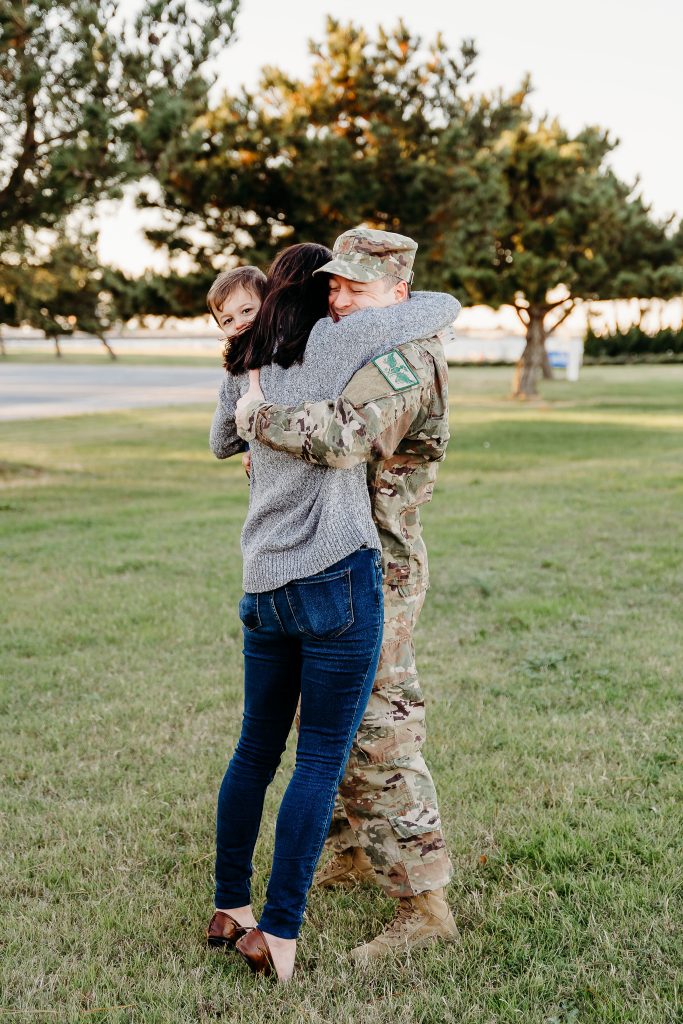
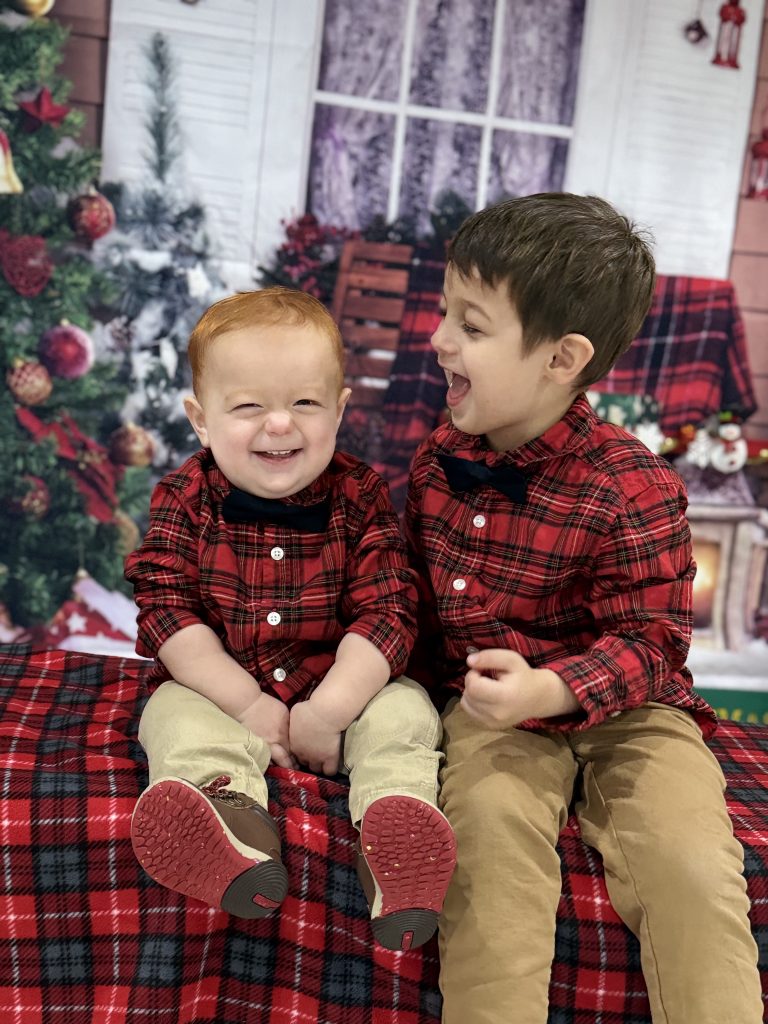
The next few months were a blur—Chris finally returned from his yearlong deployment. Seeing the joy in his eyes as he embraced Russell was the highlight of a lifetime. But we didn’t have much time to relax. Days later, I had my right fallopian tube removed and recovered during Christmas. Once cleared for another transfer, we met with Dr. Levens and made a plan. Soon after, we transferred that lone hatching embryo, and just a few days later, all my telltale pregnancy symptoms came roaring back. Despite a few moments of uncertainty, it was a smooth pregnancy overall, and in November 2023, a day before his scheduled induction on Veterans Day, Stanley came into the world happy as a clam with bright red hair. He was the miracle we needed after a rough half-decade. He is the sweetest soul and loves his big brother so much. Finally, our family was complete. 

Although our story did not go as planned, I would argue it turned out even better than we could’ve imagined. Russell and Stanley are the most incredible boys who are generous with their love, full of light, and are smarter, more capable, and more musical than we ever could’ve dreamed our children would be. Chris is planning their future careers as Space Force officers (not me – no more deployments, please!!!) and my favorite thing to do with them is spend time with our neighbors as all the kids play. And in addition to people wondering where Stanley’s bright red hair came from (his grandma!), they tend to have some questions when we share that he was conceived in Maryland while his dad was in Iraq! That one always gets a lot of laughs.  

Life after infertility

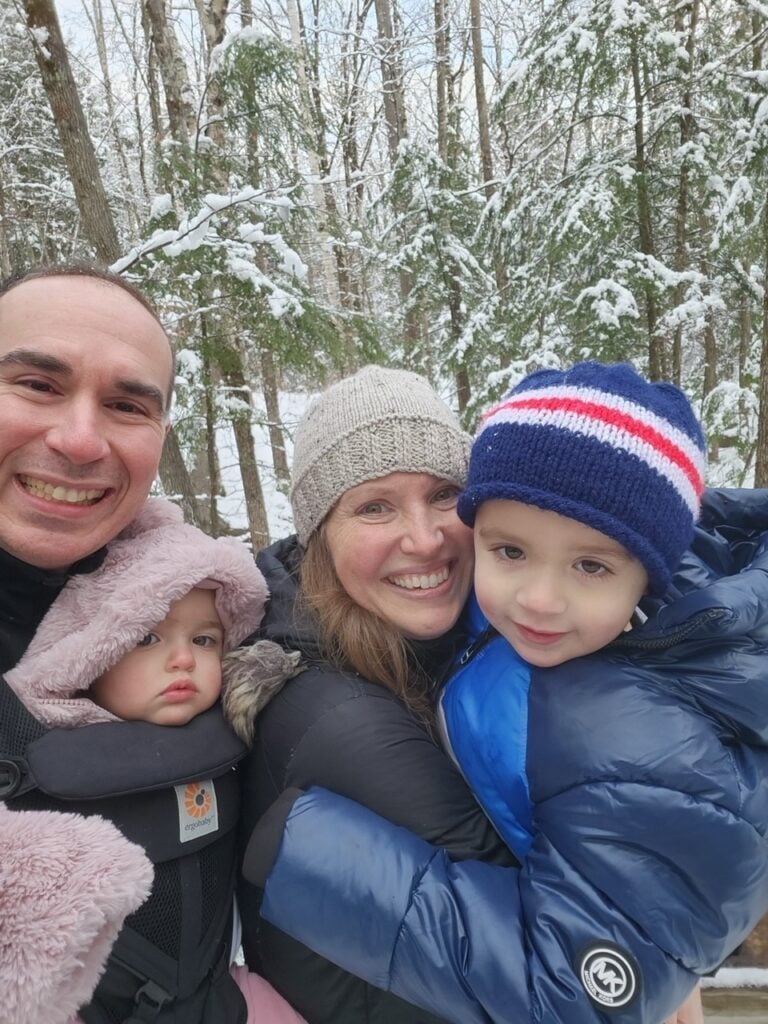
This morning, I woke up at 4 a.m. to Russell calling for us after a bad dream. Chris and I had fallen asleep on the couch without so much as a thought about my night guard or his cholesterol medicine—those fun things we’ve accumulated as we’ve aged. Instead of feeling annoyed by the early wake-up call, I felt so grateful for the opportunity to comfort this amazing person we created together, with a lot of help from our friends at SGF. A few minutes later, Stanley started to cry, and Chris grabbed him from his crib to join us on the couch. He immediately calmed in my arms. Life looks very different now, but we wouldn’t have it any other way. 

To current and future patients: You are in the very best hands—from the sunshiney people who check you in, to the medical assistants, sonographers, nurses, and your doctor. Every person we met gave us hope, encouraged us when we were down, and celebrated with us when we were finally successful. We’re especially grateful for the military discounts, Shared Risk 100% Refund Program, and the generous gift of covering sperm storage fees during Chris’ deployment. Lean on your people, advocate for yourself, ask lots of questions, and know that however you choose to build your family, love is ultimately what matters. 


SHARE YOUR STORY

Share experiences.
Share hope.

Submit Your Story

Need-to-know fertility resources and guidance

Diagnosis and treatment

We understand you may have questions about infertility and how it’s treated. Gain answers from the diagnosis and treatments shared in this story.
Infertility terms
In vitro fertilization (IVF) 

Receiving care

Assemble your fertility care team close to home. Explore our different locations and physicians who will provide guidance along your journey.
Dr. Eric D. Levens
Fairfax, Virginia, location
Find a location near me

Filed Under: Inspiration Tagged With: In vitro fertilization (IVF)

May 14, 2024 by

My path to fertility started in March 2015. I had initially started this process in the hopes of freezing my eggs. My journey began at Shady Grove Fertility with Dr. Isaac Sasson where he informed me that I had diminished ovarian reserve and poor egg quality. 

My first round of stimulation failed as I didn’t respond to the stims and my estrogen did not increase. I was devastated. Little did I know how common this was or what the future had in store for me. After the failed stim cycle, I had to wait as I then developed an ovarian cyst and waited for the cyst to go away and get my next monthly cycle. 

I began again in July 2015 where I made it to my egg retrieval. However, they only retrieved two eggs. I was still determined to try again for more eggs. In September, I attempted another round where I had one leading follicle. Dr. Sasson and I decided it would be best to cancel the cycle as I may get one or no eggs. 

November 2015 was my last attempt. With the last egg retrieval, they retrieved four eggs. At that point, I had exhausted my options for loans and savings to try again for another retrieval. 

In June 2018, I felt a palpable mass on my lower right side near my ovary. I went back and forth between multiple doctors including a gynecologist, urologist, and general surgeon. The mass was determined to be an endometrioma. I had painful symptoms in my bladder as well and the urologist found another endometrioma about 2cm by 2cm that was pushing into my bladder. After months of working with multiple doctors, the team performed surgery to remove endometriosis in February 2019. While I was in pain, I did go home to rest for the next two weeks with a foley catheter in place. 

Battling endometriosis

I wasn’t aware prior to that that I had endometriosis. I had painful periods growing up, but through my twenties until I began the egg freezing, I was on birth control which helped control my symptoms. I was hopeful that the endometriosis surgery would be behind me. After the surgery and being 39 years old, I decided I wanted to become a single mother by choice. In the beginning of June 2019, I selected an anonymous sperm donor and reached out to SGF to thaw my eggs. 
 
However, my endometriosis issues were just beginning. On June 23, 2019, I had my first catamenial pneumothorax. Catamenial pneumothorax is a rare condition that affects women. Pneumothorax is the medical term for a collapsed lung, a condition in which air or gas is trapped in the space surrounding the lungs causing the lungs to collapse. Women with catamenial pneumothorax have recurrent episodes of pneumothorax that occur within 72 hours before or after the start of menstruation. Catamenial pneumothorax is caused by the abnormal migration of endometrial tissue from the lining of the uterus to other areas of the body such as the diaphragm or the space in between the membranes lining the chest cavity wall and the lungs (pleural space). 

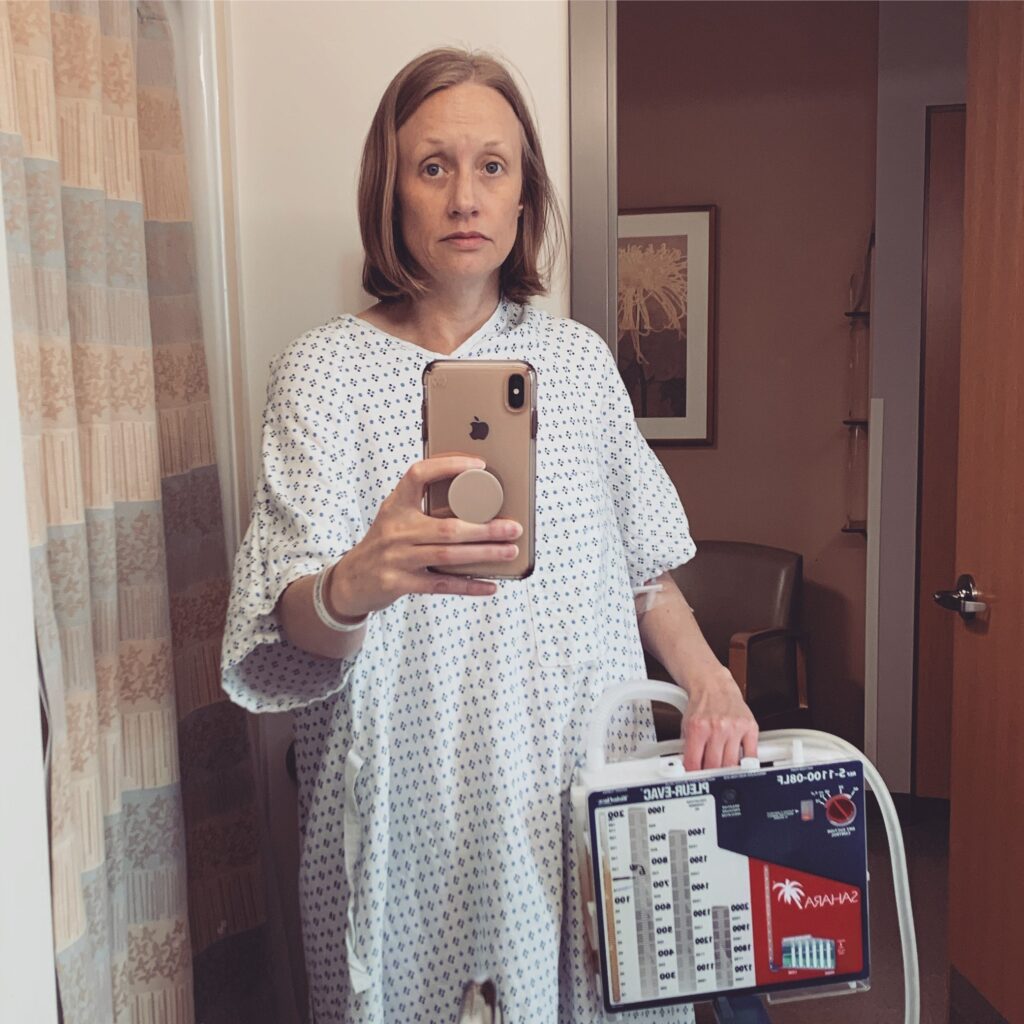
I walked around for days in pain, not realizing the possibility that my lung collapsed. I was otherwise healthy and lived a very active lifestyle. I went to my primary care doctor where I complained about the pain, and he instructed me to get a chest x-ray. As soon as I had the x-ray, they sat me down very cautiously and told me that my right lung had collapsed 50%. They needed to take me to the ER to have a chest tube inserted. I would be in the hospital for a few days. 

I was discharged from the hospital at the beginning of July. I then got the results of the blastocyst. Of the 6 eggs that I had frozen, 5 made it through the thaw. I only had 1 embryo that made it to a blastocyst, which was abnormal. I never made it to transfer and my hopes of using my own eggs were destroyed. 

Through all the sadness, I still had the determination to try one last egg retrieval. Dr. Sasson said it was my choice, so we decided to give it one last shot. I bought the medications and waited for my next period. I got my period the morning of November 5, 2019, and was so excited to go in the following day for monitoring and get started. Unfortunately, I never made it to monitoring. My lung collapsed later that day. I was back at the hospital where they put in a chest tube and planned to do surgery a few days later. The doctors did a video-assisted thoracoscopic mechanical pleurodesis. A pleurodesis is a procedure done to treat repeated collapsed lungs or fluid buildup between the lung and chest wall lining. This causes irritation or swelling between the two layers, helping the lung stick to the pleural lining. The recovery was painful, and I had a reaction to the topical medicine which caused blisters and a yeast infection on the incisions and chest tube sites. 

The lung didn’t attach to the pleural lining, though. On December 7, 2019, I got my period and lived in fear all day that my lung would collapse. I got through the day and woke up the following day thinking everything would be okay. As soon as I stood up, I knew my lung collapsed again. I was heartbroken. I was in the hospital for the week with the chest tube, and even had the tube replaced for a larger tube as my lung wasn’t sealing. By the end of the week, I was so sad to still be in the hospital and just wanted to go home. The doctors let me go home with a portable tube. Eventually, on December 19, 2019, my lung had sealed and the doctors removed the chest tube. 

Finding the right medical team

I had a second opinion by another cardio thoracic who told me that he couldn’t help me nor could anyone in the greater Philadelphia area. He had only seen this case with one other woman who went to Atlanta to have surgery. The doctor put me in contact with her, and she provided me support groups and information what she learned. There are not many endometriosis doctors that have experience with catamenial pneumothorax and work with cardio thoracic surgeons. I found one doctor in Atlanta and the other in New York City. I opted for New York City as that was closer for me. I reached out to the doctor in New York City who is the co-founder of the Endometriosis Foundation of America. 

I had tried continuous birth control in the meantime to not get my period and, thus, not have my lung collapsed. The birth control didn’t suppress me enough as I was spotting and had my fourth lung collapse on January 23, 2020. My lung sealed four days later, and I was discharged. By the next day, I still didn’t feel right and was paranoid my lung was going to collapse again. The doctors in NYC had prescribed me a stronger birth control, but I didn’t get a chance to be on long before my lung collapsed on January 30, 2020 my fifth time. Again, I was in the hospital for 4 days with a chest tube. 

Through the pandemic the birth control suppressed my period. I finally had my surgery on June 5, 2020, at Lenox Hill Hospital. It was a weird feeling to go to the hospital the morning of my surgery by myself. My mother could visit me in the hospital between 3:00 PM and 7:00 PM. The anxiety that I felt in anticipation of the surgery and through a global pandemic was overwhelming. 

The endometriosis specialists and the cardio thoracic surgeon found the fenestrations (holes) in my diaphragm that were causing my lung to collapse. The cardio thoracic did another mechanical pleurodesis on the bottom of my lung from where it was not attached after the first surgery. They also removed endometriosis throughout my pelvic region. They had to call in an emergency urologist as my bladder was firmly adhered to my uterus. I again had a foley catheter for two weeks. 

Heartbreak and loss

In the fall of 2020, I took Dr. Sasson’s advice and pursued an egg donor. I selected the donor who went to retrieval, and I received five blastocysts. I had an embryo transfer in December 2020 and was finally pregnant. I was feeling good and continuing at SGF for monitoring until I would graduate. Unfortunately, that didn’t happen. At 6 weeks, the embryo had a strong heartbeat, but at 7 weeks there was no heartbeat.  

I was devasted and broken. I had such high hopes that after everything I had endured my transfer would be successful and I would be able to deliver a healthy baby. I mourned the loss and still do. 

Finding a path forward

A few months later in March 2021, I attempted another embryo transfer. As soon as I began the meds, I felt pain in my chest from the estrogen. I contacted my doctors in NYC as well as informed Dr. Sasson. I had an embryo transfer the beginning of April and shortly after that my chest pain increased and I was short of breath. I was pregnant again, but when I went for the six-week ultrasound the heartbeat was not strong or what should be expected. At seven weeks, Dr. Sasson and I scheduled another D&C. 

About a week or two after the D&C, I went to the ER as I suspected my lung had collapsed which it did. I was in my local hospital for two weeks and my lung wasn’t sealing. The local cardiothoracic wanted to do an intervention surgery with another pleurodesis, but I contacted my cardiothoracic in NYC to do the surgery. I was transported by ambulance to Hoboken and had my third VATS and pleurodesis almost one year to the day since my last surgery on June 4, 2021. I was in the hospital for 18 days and after my discharge, my lung collapsed for the seventh time. Being that I had just had surgery, the cardiothoracic doctor wanted a CT scan. By the time my insurance approved the CT scan, and I was able to schedule it, my lung did seal on its own. 

I wanted to do another embryo transfer, but also knew my body needed to heal. I waited a few months, and Dr. Sasson and I moved forward in November 2021 with a modified natural transfer without the del estrogen. The transfer didn’t take, and I didn’t get pregnant. That was my third embryo and I only had two embryos left. 

I wanted to try again on that same protocol as I felt well, but I was perimenopausal for months. I waited and would go to SGF every two weeks or so for bloodwork and ultrasounds to see if I had any follicles forming. Months went by and in July 2022, I finally ovulated. When I went the day of my transfer, Dr. Sasson informed me that they thawed an embryo, but it didn’t look good, so they thawed the last embryo. I was so nervous to not get pregnant or have a miscarriage again.  

Worth the wait

My prayers had been answered and I was pregnant. I was cautiously optimistic for weeks. With each passing week and positive ultrasound, I breathed a sigh of relief. 

In April 2023, my miracle baby girl was born. The years of infertility, surgeries, and lung collapses will not be forgotten, but she was worth the wait. I’m so in love with her and can’t believe my dreams came true. Dr. Sasson was so wonderful through my journey with his support and appreciation for my persistence. I never gave up and am so grateful for everyone at Shady Grove Fertility. 


SHARE YOUR STORY

Share experiences.
Share hope.

Submit Your Story

Need-to-know fertility resources and guidance

Diagnosis and treatment

We understand you may have questions about infertility and how it’s treated. Gain answers from the diagnosis and treatments shared in this story.
Infertility terms
Single mother by choice

Receiving care

Assemble your fertility care team close to home. Explore our different locations and physicians who will provide guidance along your journey.
Dr. Isaac Sasson
Find a location near me

Filed Under: Inspiration Tagged With: Donor egg, In vitro fertilization (IVF), Single mothers by choice

May 13, 2024 by

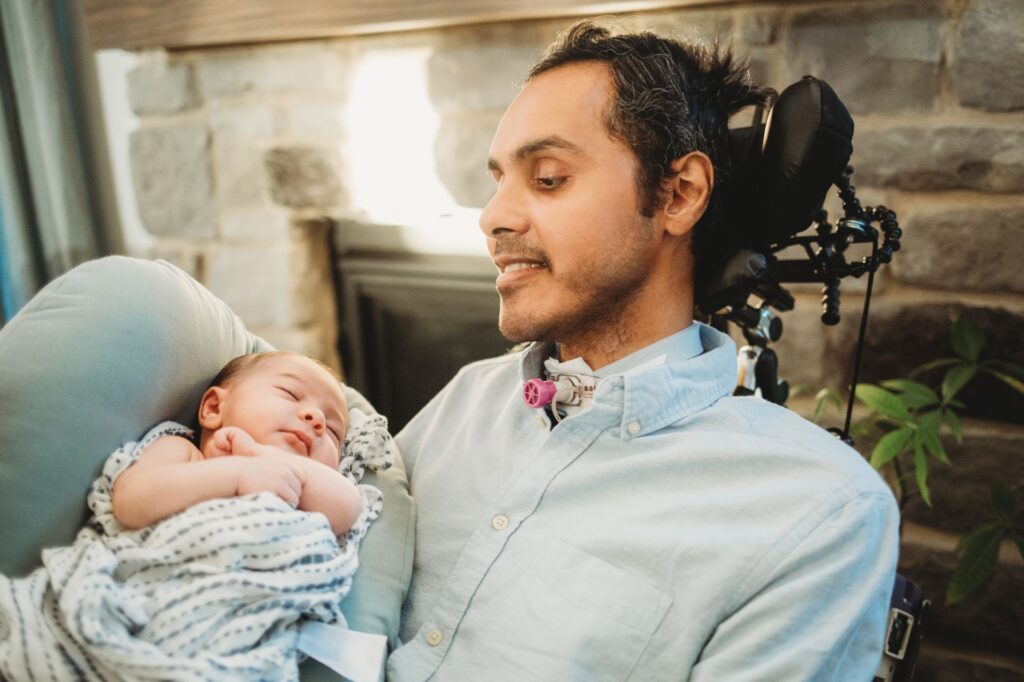
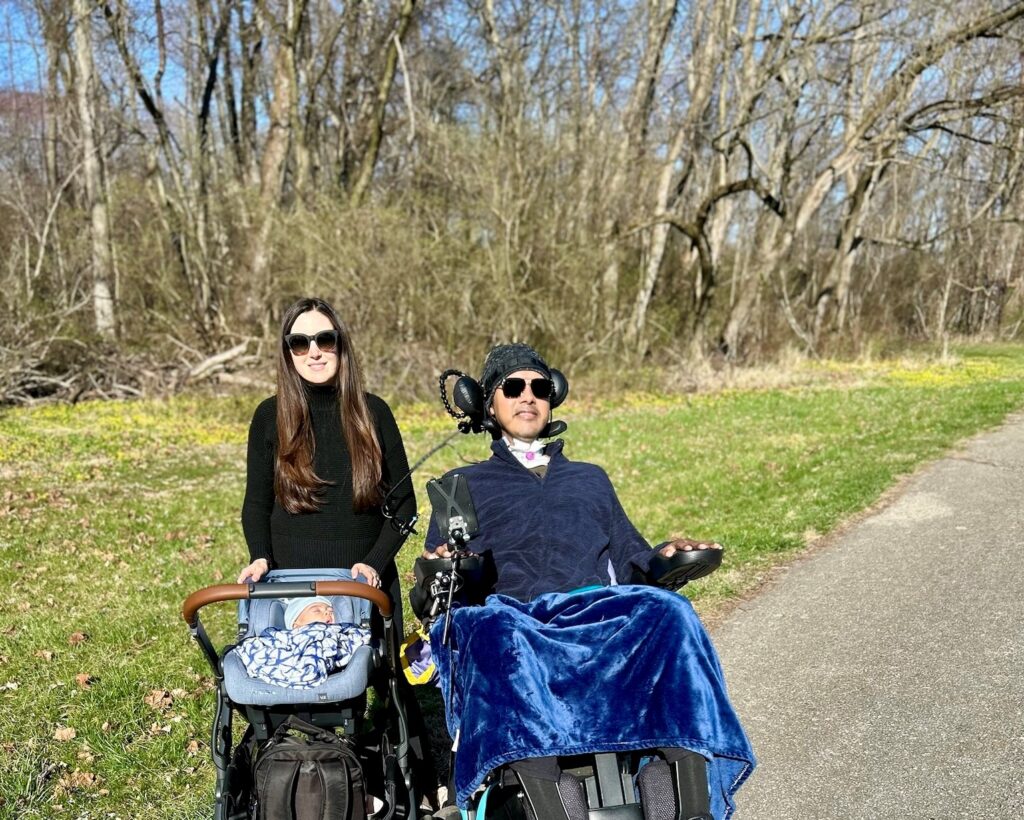
Our journey began in 2019 after Justin suffered a tragic car accident only a few months following our wedding. At 31, Justin became paralyzed from the neck down just as our life together was beginning. 

After more than 8 months of Justin being hospitalized, we knew we wanted to start a family and began working with a clinic in Philadelphia. Sadly, Christine experienced multiple pregnancy losses with genetically normal embryos. We were left without answers and diagnosed with unexplained infertility and diminished ovarian reserve. 

Finding fertility care at SGF

Wanting a fresh perspective, we sought out Dr. Isaac Sasson in 2022 at Shady Grove Fertility in Chesterbrook. He was open to trying anything to help us achieve our dream of having a family. We knew we were a tough case given Justin’s spinal cord injury and my diminished ovarian reserve, but Dr. Sasson renewed our hopes and left no stone overturned to try to help us. His thorough approach identified that I had endometriosis, which we believe contributed to our issues. After laparoscopic surgery, it was identified that I had Stage III endometriosis.

Science and faith

Our next in vitro fertilization (IVF) cycle following the surgery was finally successful. We welcomed our miracle son, Nolan Jude, in January 2024.  

Many things had to happen for our son to come into this world. Persistence, love, and the help of both faith and science brought him to us.  

We are forever grateful to Dr. Sasson, Nurse Nikki, and the entire SGF team for their exceptional kindness, determination, and willingness. Our family has been through so much since Justin’s accident and we felt truly cared for by this stellar clinic.  

Find your team

For any other individual or family struggling with fertility, don’t be afraid to advocate for yourself or seek other perspectives. Many factors contribute to fertility, and you need to have a team that you feel comfortable with. And most importantly, keep the faith – your child is possible, however you find your way to one another.


SHARE YOUR STORY

Share experiences.
Share hope.

Submit Your Story

Need-to-know fertility resources and guidance

Diagnosis and treatment

We understand you may have questions about infertility and how it’s treated. Gain answers from the diagnosis and treatments shared in this story.
Infertility terms
In vitro fertilization (IVF)
Male factor infertility

Receiving care

Assemble your fertility care team close to home. Explore our different locations and physicians who will provide guidance along your journey.
Dr. Isaac E. Sasson
Chesterbrook, Pennsylvania, location
Find a location near me

Filed Under: Inspiration Tagged With: In vitro fertilization (IVF), Male factor infertility

March 20, 2024 by

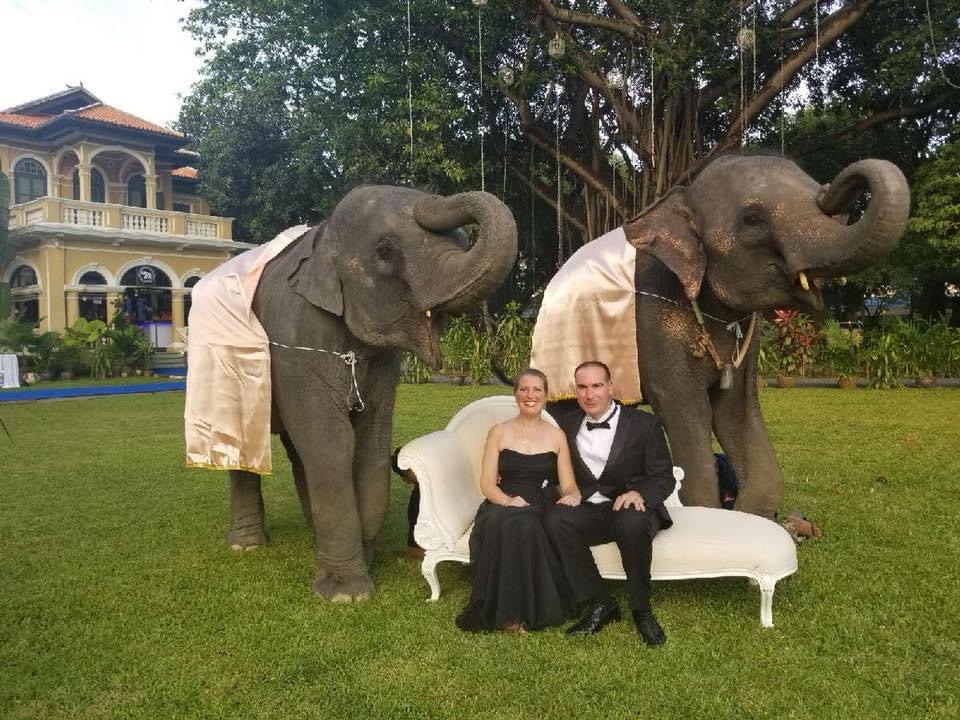
It took Mike and I a very long time to find each other. We didn’t meet until we were in our thirties. We traveled everywhere while we were dating and finally started the ultimate voyage together when we got married in 2013.

I always asked my doctor if I should be worried about my fertility because of my age, but I was reassured that I was healthy and my family history suggested a long fertility window. I was sort of lulled into a false sense of security.

When Mike and I got married, I was 38 and he was 36. We started trying right away but nothing happened. Due to my age, we skipped a lot of the preliminary stages and were launched right into in vitro fertilization (IVF) treatment.

We live in the Boston area, so we started with treatment close to home. We had several egg retrievals that yielded nominal results – between 4 – 8 eggs each time. Though we were told the egg quality was strong each time, the transfers just didn’t take. Additionally, our insurance only covered a limited amount of egg retrievals, so we tried several rounds of intrauterine inseminations (IUI) to see if that could work. It was just month after month of disappointment.

We really weren’t educated about the consequences of the multiple rounds of fertility meds on my already limited fertility. On one horrendous day, I got a call from my Boston clinic that my follicle-stimulating hormone (FSH) level was too high and my treatment would no longer be covered by insurance.

We were absolutely stunned and devastated.

Finding the Shared Risk 100% Refund Program at SGF

We immediately sought additional opinions and discovered that the only way that I would be able to carry a child was through egg donation. It took us a little time to absorb the new information. It was particularly difficult for me to accept that my own eggs just wouldn’t work.  
 
Since insurance wouldn’t cover further treatment, we had to self-pay. We looked into programs overseas because the cost was significantly less than anything in our area. When I consulted with my primary care physician and my OB/GYN about going abroad for treatment, they strongly advocated that I seek treatment domestically, if possible.  
 
After exhaustive research, we discovered the Shared Risk Program 100% Refund Program at Shady Grove Fertility. To learn that there was a program with a money-back guarantee for fertility treatment gave us renewed hope. We checked with clinics in our own area to see if there was a similar option and we were literally told, “our results are so good, we don’t need a program like that.” Guess what: our personal results weren’t that good, and we just couldn’t take the leap without that guarantee.  
 
We reached out to SGF and started with a phone consult. We were instantly put at ease by the Shared Risk team. We felt even better after a trip to the Rockville office to meet with Dr. Chang (now retired). The fact that SGF has their own egg donor program made the process seamless.  
 
We chose the three-to-one program, so we shared our donor with 2 other families. Once we chose our donor, the process moved pretty quickly. We received 9 eggs from our donor. Six eggs fertilized and 4 of those eggs progressed to 5-day blastocysts. 
 
I was able to have all of my preliminary appointments in Washington, D.C., Philadelphia, and Manhattan. I only had to go to Rockville, Maryland, for the transfer appointments. 
 
The first transfer didn’t take but gave us invaluable information about how I responded to the medications. Dr. Chang adjusted my medication regimen and the next transfer took.  

Healing and moving forward

We did not genetically test our embryos before the transfer, so the next embryo had a chromosomal abnormality that was incompatible with life and I miscarried. While devastating, it let us know pregnancy was possible. After healing, we moved forward again.  
 
We hit another barrier as we moved to the next transfer: COVID. My transfer was already scheduled just as the whole world shut down. I’ll never forget the call from Dr. Chang when he explained that there was no data about the impact of COVID on pregnancy and clinics were starting to shut down. He was willing to move forward as long as they remained open. Mike and I knew we had to keep going. 
 
I had been taking trains to my preliminary appointments and flying home to avoid overnight stays each time. With the pandemic, that wasn’t going to work. Interstate travel was becoming increasingly difficult. We actually had to get a letter to carry with us that said it was medically necessary for us to travel. We jumped in the car and headed south for our transfer. A trip that would normally take 9-10 hours took 7 because nobody else was traveling. 
 
When we arrived at the hotel across the street from the Rockville clinic, the normally busy hotel was eerily quiet. We were amongst a handful of people. When we arrived at the clinic, my nurse, Gail, gave me a reassuring hug before we went in for the transfer. We saw that little flash on the ultrasound screen and hoped for the best. 
 
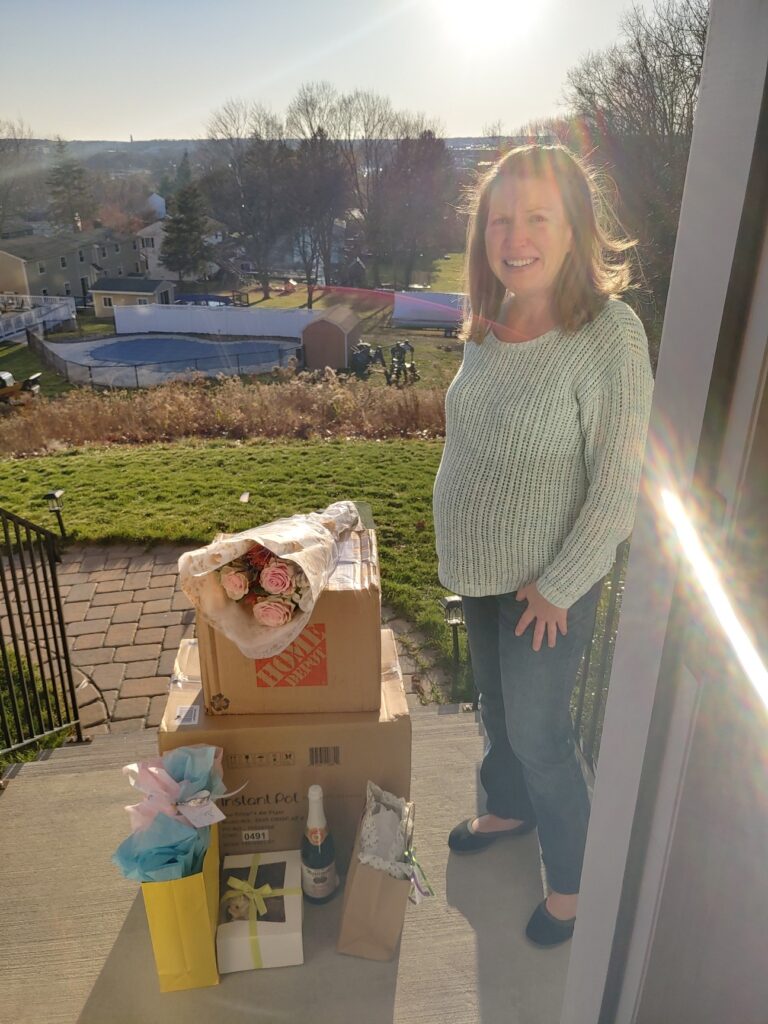
We were cautiously optimistic when we got positive pregnancy results. We were due in December 2020. We missed out on telling people in person or seeing many people while I was pregnant. My baby shower with friends was over Zoom. My best friend dropped all of the gifts and decorations on our front porch and left. 

Our miracle

In December 2020, our dreams came true when we welcomed our little Matthew into the world. He was our little Christmas miracle. Every tear, every needle, and every disappointment evaporated. We could not believe how lucky we were to hold this precious baby in our arms. 
 
After a few months of appreciating our little miracle, we realized: we had one embryo left. We reached back out to SGF. Dr. Chang retired just after Matthew’s delivery, so we were now working with Dr. Doyle for an additional frozen embryo transfer.

Completing our family

Dr. Doyle was just as wonderful as Dr. Chang and very encouraging with every preliminary appointment. I was able to complete all preliminary appointments in Manhattan this time – significantly closer to home. Once again, we went to Rockville for our transfer and hoped for the best when we saw the little flash on the ultrasound screen.  
 
We were in disbelief when we got the news that this pregnancy also took. With the way timing worked out, we were once again due in December.  
 
In December 2022, we welcomed baby Tess into our family almost exactly 2 years after Matthew arrived. We still can’t believe that we were lucky enough to have 2 babies from the same donation. We went from thinking we would never become parents to having 2 beautiful children. Thanks to the team at SGF, our family is complete. 


SHARE YOUR STORY

Share experiences.
Share hope.

Submit Your Story

Need-to-know fertility resources and guidance

Diagnosis and treatment

We understand you may have questions about infertility and how it’s treated. Gain answers from the diagnosis and treatments shared in this story.
Infertility terms
In vitro fertilization (IVF)
Shared donor egg treatment

Receiving care

Assemble your fertility care team close to home. Explore our different locations and physicians who will provide guidance along your journey.
Dr. Joseph Doyle
Rockville, Maryland, location
Find a location near me

Filed Under: Inspiration Tagged With: Donor egg, Shared Risk 100% IVF Refund Program

  • Page 1
  • Page 2
  • Go to Next Page »

Company

  • About SGF
  • About US Fertility
  • Our Doctors
  • Fertility Equity
  • Careers
  • Newsroom
  • SGF College Scholarship
  • Contact Us
  • Voice Your Feedback

Treatments

  • Egg Freezing
  • Intrauterine Insemination (IUI)
  • In Vitro Fertilization (IVF)
  • Frozen Embryo Transfer (FET)
  • LGBTQIA+ Family Building
  • Shared Risk 100% Refund Program
  • All Treatments

Resources

  • Patient Portal
  • Online Bill Pay
  • Library
  • Support Groups & Events

Locations

  • California
  • Colorado
  • Delaware
  • Florida
  • Georgia
  • Maryland
  • North Carolina
  • Pennsylvania
  • Texas
  • Virginia
  • Washington, D.C.

2026 Shady Grove Fertility

  • Policies & Notices
Also of interest
  • In Vitro Fertilization IVF
  • Fertility Tests
  • Research Publications