
• Skip to primary navigation
  • Skip to main content
  • Skip to footer
Shady Grove Fertility
  • Become an Egg Donor
  • Referring Physicians
  • 1-888-761-1967
  • Schedule Appointment
  • Get Started
        • Get Started
          • Causes of Infertility
          • Fertility Tests
          • When to Seek Help
          • Find a Doctor
          • Preconception and prenatal vitamins 
          • Schedule an Appointment
        • Personalized Care For
          • Single Parents
          • LGBTQIA+ Family Building
          • People with Cancer
          • Known Genetic Diseases
          • Egg Donors
  • Treatments
        • Fertility
          • Timed Intercourse
          • Ovulation Induction
          • Intrauterine Insemination (IUI)
          • In Vitro Fertilization (IVF)
          • Frozen Embryo Transfer (FET)
        • Donation & Surrogacy
          • Donor Sperm
          • Donor Egg
          • Donor Embryo
          • Gestational Carrier
          • LGBTQIA+ Family Building
          • Single Parents
          • Find a Donor
        • More Treatments
          • Center for Male Fertility
          • Egg Freezing
          • OncoFertility
          • Preimplantation Genetic Testing
          • MIGS
          • All Fertility Treatments
  • Resources
    • Resource Library
    • Events Calendar
    • Patient Stories
    • Mental Health
    • Wellness Center
  • Insurance & Savings
    • Insurance & Benefits
    • Shared Risk 100% Refund Program
    • 100% Refund for Donor Egg
    • Discounts
    • Egg Freezing Costs
    • Financing & Grants
    • Clinical Trials
  • About
    • Find a Doctor
    • About SGF
    • Our Care Team
    • Advanced Practice Providers
    • Fertility Equity
    • Philanthropy
    • Newsroom
    • Careers
    • Contact Us
    • Voice Your Feedback
  • Locations
        • Find a Location
        • California
        • Colorado
        • Delaware
        • Florida
        • Georgia
        • Maryland
        • North Carolina
        • Pennsylvania
        • Texas
        • Virginia
        • Washington, D.C.
        • Chile
        • International & Out of State
        • SGF at Walter Reed National Military Medical Center
  • Patient Hub
    • Online Bill Pay
    • Patient Forms
    • Patient Portal
  • Call your care team
  • Become an egg donor
  • Referring physicians
  • search-icon
  • Schedule appointment 1-888-761-1967

Home / Research program

Research program

March 13, 2019 by Shady Grove Fertility

Over the course of 27 years, Shady Grove Fertility has helped bring 50,000 babies and counting into the world.
While not all of these babies were the result of in vitro fertilization (IVF), IVF is a very popular and effective fertility treatment. Many celebrities thank IVF for making their dream of parenthood come true—Chrissy Teigen, Kim Kardashian, Michelle Obama, and Mariah Carey, just to name a few.
And it’s not just celebrities. Maybe you have a friend, family member, or coworker who has used IVF to start or grow a family. As you see IVF procedures working for so many, you naturally begin to wonder, “Will IVF work for me?”
Let’s explore.
Because each case of infertility brings with it its own challenges, it’s important to remember that no two patients will have the same experience with IVF. Ultimately, the likelihood that IVF will work for you isn’t the same as the likelihood that IVF will work for your neighbor, your coworker, or even your sister.
Your success with IVF will depend on a number of factors unique to you. Fortunately though, at SGF, the resounding answer for the majority is “YES,” IVF does work for most patients, as IVF is a highly effective treatment whose success rates continue to improve steadily.
To reliably predict success, however, we need to take factors specific to each patient into consideration. Fortunately, at Shady Grove Fertility, we have a full-time research team analyzing our internal data and continually refining prediction techniques. In fact, we are one of the only fertility centers in the nation to have a dedicated research department. A key member of this department, Kate Devine, M.D., Director of Research who sees patients out of SGF’s Washington D.C., K Street office, walks us through our prediction methods and explores the reasons why you can trust the counsel our dependable doctors provide.

SGF Predicts Success with IVF Using a Customized Prediction Method

The prediction of success you receive from a Shady Grove Fertility doctor won’t be the same as one you would receive from another clinic. We use a customized predictive model, known as PRISM (Predictive Response to IVF Success Model).
Unlike methods used by many other fertility centers, PRISM analyzes success rates using factors specific to you, that are known to be independent predictors of IVF success.
Based on 15,000 treatment cycles from 10,000 SGF patients since 2009, PRISM leverages our own outcomes to determine probability, offering patients tremendous value and insight when making difficult treatment decisions. The use of internal data is critical because the probability of IVF success depends substantially on the specific IVF lab where the procedure was performed. Because the success rate of our lab will be different from the success rate at a lab down the street, our model relies on data gathered from prior patients who have gone through IVF in one of our labs. Most other labs use national data that is non-specific to any one lab’s protocols and technological capabilities.
“SGF prides itself on being transparent with patients by providing each patient with the most current information about treatment options along with the probability of a successful pregnancy associated with each option,” says Dr. Devine. “By providing personalized, evidence-based predictions to patients, we aim to help couples move through the IVF process with as much clarity as possible,” says Devine.

SGF Predicts Success with IVF Using Multi-factored Calculations

When you decide to begin treatment with us, your doctor will discuss your treatment options and the likelihood of a successful pregnancy associated with each. You’ll discuss this early on, as soon as you have completed all testing. Often, the discussion of treatment counseling and treatment success occurs on your second visit.
To prepare a customized prediction of success, your doctor will input your testing results into our predictive model. This predictor considers an assortment of factors that contribute to the likelihood of IVF success, including (but not limited to):

  • Age of female patient
  • Ovarian reserve
  • Female body mass index (BMI)
  • Semen analysis
  • Characterization of the uterus
Schedule an Appointment

SGF Predicts Success with IVF and Answers Multiple Patient Questions

The question you’re probably most eager to get an answer to is, “What’s the likelihood I’ll take home a baby?”
But that’s not all PRISM will inform.
Our team uses the data provided by our prediction method to help you plan not only for this baby, but also for the next. In addition to uncovering your likelihood of pregnancy via IVF, predictions provided by this model will answer questions, such as:

  • What’s the risk that we won’t be able to extract enough eggs to complete the cycle?
  • How much medication will be necessary to stimulate egg development?
  • How many eggs will we be able to retrieve?
  • What percentage of my retrieved eggs will mature enough for use?
  • How many surplus embryos will we have available to freeze, for future pregnancy attempts if we wish?
  • What is my likelihood of a live birth?

SGF’s Predictive Model Allows for Continued Exploration

As technology changes and we gather even more current data, success rates will invariably change. As these rates change, so does PRISM. Our full-time research team allows us to regularly revisit and revise this tool to ensure that the data you are given today is reflective of the most up-to-date information available.
The use of internal data to create structured predictive models isn’t universal in the field of reproductive technology. While some fertility centers can provide individualized predictions like those you would receive from Shady Grove Fertility, most do not.

SGF’s Predictive Model Provides Answers and Offers Choices

The uncertainty you’re likely facing because of infertility can be overwhelming.
While we, unfortunately, can’t tell you that opting for a certain procedure will definitively result in you adding a baby to your family, we do prioritize giving you answers you can trust.
“No prediction method can offer a guarantee, and conditions—especially female age if she’s using her own eggs—affect outcomes significantly. The advantage to our patients is our vast experience having performed more than 65,000 ART cycles since our practice began in 1991; we can fine tune and personalize the treatment protocol with precision to maximize effectiveness,” adds Dr. Devine.
Visit us today for a customized plan to parenthood and a dependable prediction of success.
Regardless of the prediction you receive, it’s important to us that you know what to expect so you can make the most informed decisions as you map out your next steps.
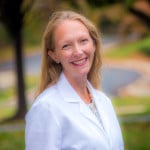
Kate Devine, M.D.


Medical Contribution by: Kate Devine, M.D., of Shady Grove Fertility’s Washington, D.C., K Street Office

Schedule an Appointment

To learn more about IVF at Shady Grove Fertility or to schedule an appointment, please contact one of our New Patient Liaisons at 1-877-971-7755 or complete this simple form. 
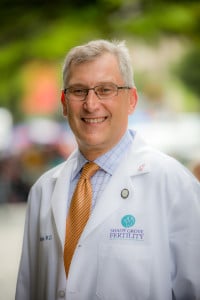
Filed Under: About SGF Tagged With: Research program

October 24, 2018 by Shady Grove Fertility

SGF presented two new studies during the American Society for Reproductive Medicine’s (ASRM’s) 2018 Scientific Congress in Denver, CO that sought to better understand the known health disparities affecting reproductive outcomes among African American Women.

Study 1: Aimed to Identify Reasons Why African Americans Experience Reduced Pregnancy, Higher Pregnancy Loss and Lower Live Births from IVF Despite Producing More Eggs and Transferring Higher Quality Embryos as Compared to Caucasian Women

Multiple prior published studies have demonstrated that African-American women experience lower pregnancy rates, higher pregnancy loss, and lower live birth rates from in vitro fertilization (IVF). In this study, SGF evaluated more than 40,000 IVF cycles of more than 22,000 Caucasian and African-American patients to better understand why African-American women experienced poorer IVF outcomes.

What did the findings show?

“Our results suggest that African-American women respond just as well to medications that stimulate egg production, produce as many eggs, and actually produce more good quality embryos than Caucasian patients,” says Dr. Isaac E. Sasson, SGF physician and a key researcher on this study. “However, overall chances of success are decreased among African-American patients. The sum total of these data suggest that uterine factors are the most likely cause of decreased success from IVF among African-American patients,” adds Sasson.

Consistent with prior studies, this study found that birth rates per embryo transfer were 14 percent lower for African-American women compared with Caucasian women as a result of both lower pregnancy rates and higher pregnancy losses.

“The good news is that, armed with this information, African-American women and their physicians can make more informed decisions about their gynecologic and fertility care. Preventive care can help detect potential problems in their earliest, easiest to treat state. Annual OB/GYN annual examinations are critical, as is seeking care early when a woman experiences infertility or recurrent miscarriage. Early treatment leads to much more favorable outcomes,” adds Sasson.

Study 2: Aimed to Identify the Reasons Why African Americans Experience Lower Gestational Age and Increased Risk of Preterm Birth Associated with Singleton Pregnancies from IVF Compared to Caucasian Women

In the second study, researchers set out to identify whether African-American women with singleton IVF pregnancies were more likely than their Caucasian counterparts to experience preterm birth. Prior studies of predominantly naturally conceived pregnancies, have consistently demonstrated that African-American women have a higher risk for preterm delivery, and this has been hypothesized to be largely attributable to decreased access to care. Therefore the investigators set out to determine whether this increased risk was also present in the IVF population, who, by definition, have access to healthcare.

What did the findings show?

“Singleton births among African-American IVF patients occur almost a week earlier, and are three times more likely to be very preterm (28-32 weeks) or extremely preterm (<28 weeks) compared with Caucasians,” says Lauren Bishop, a lead investigator on this study.

“Unfortunately, in addition to lower live birth rates from IVF, African Americans are also more likely to experience preterm birth following IVF, and uterine factors are most likely the cause of both. Fibroids disproportionately affect our African-American population and are likely a major contributor to the poorer outcomes we observed in these two studies. The good news is that armed with this information, we can act as advocates for this patient population and do more research to further evaluate for causes and solutions,” says Dr. Sasson who was also a key researcher on this second study.

What is the biggest takeaway of both of these studies?

Given uterine conditions are more prevalent among African-American women, SGF physicians recommend that when infertility or recurrent pregnancy loss occur, patients should consult with a specialist right away.  One in eight couples experience infertility, and SGF strives to reach as many people as possible, since early intervention offers the best chances of success.

Why Research? 

We view research as a way of “giving back” to our field as it gives us tremendous insights into the best fertility practices. Our commitment to continual improvement keeps us among the forefront, innovating and refining, which ultimately provides better outcomes—not just the treatment of our patients but of those across the country.

“Research remains one of the key pillars at SGF. It is, after all, the only way we can understand how to provide better treatment, improved care, and more successful results,” says Kevin S. Richter, Ph.D., Research Scientist for Shady Grove Fertility.

Schedule an Appointment

To learn more about this study, or to schedule an appointment with one of our physicians, please call our New Patient Center at 888-971-7755 or complete a brief online form.
 

Filed Under: About SGF Tagged With: Research program

October 17, 2018 by Shady Grove Fertility

SGF presented a new study last week during the American Society for Reproductive Medicine’s (ASRM’s) 2018 Scientific Congress in Denver, CO, that demonstrated patients using fewer intramuscular progesterone injections during a frozen embryo transfer (FET) cycle resulted in equivalent live birth rates.

Why did SGF conduct this study? 

Patients who undergo in vitro fertilization (IVF) with a medicated frozen embryo transfer are required to take daily progesterone replacement to enable an embryo to implant and to allow the pregnancy to continue. One current standard protocol for a frozen embryo transfer is progesterone via daily intramuscular injection. While effective, these injections can be associated with increased discomfort and anxiety for patients. The purpose of this study was to investigate whether patients could achieve similar live birth rates from an FET, with few or even zero intramuscular progesterone injections.

What did the findings show? 

The study was a large randomized controlled trial that evaluated progesterone replacement for a frozen blastocyst transfer, by investigating patient-friendlier alternative to daily intramuscular progesterone.

Unfortunately, removing the progesterone injections altogether and administering only vaginal progesterone resulted in much lower birth rates and higher pregnancy loss rates,” says Dr. Kate Devine, Director of Research at Shady Grove Fertility and first author on this study. “The great news is that patients in the study who were assigned to a protocol using fewer injections were just as likely to have a baby as those who were assigned to take an intramuscular injection every day.”

What does this mean for patients undergoing a frozen embryo transfer (FET) cycle? 

The findings showed that while vaginal progesterone alone was inadequate to sustain pregnancies resulting from a programmed FET cycle, vaginal progesterone plus an intramuscular progesterone injection once every 3 days demonstrated equivalent live birth rates to daily intramuscular progesterone injection.

“We are so excited to finally have definitive randomized controlled trial data clearly demonstrating that intramuscular progesterone injections can be reduced by two-thirds while still providing our patients optimal chances of having a baby from FET. We hope and believe this effective treatment alternative will improve our patients’ quality of life while maintaining excellent outcomes, not only at SGF, but around the world,” says Jeffrey McKeeby, M.D., SGF physician and senior author on this study.

Why Research?

We view research as a way of “giving back” to our field as it gives us tremendous insights into the best fertility practices. Our commitment to continual improvement keeps us among the forefront, innovating and refining, which ultimately provides better outcomes—not just the treatment of our patients but of those across the country.

“Research remains one of the key pillars at SGF. It is, after all, the only way we can understand how to provide better treatment, improved care, and more successful results,” says Kevin S. Richter, Ph.D., Research Scientist for Shady Grove Fertility.

Schedule an Appointment

To learn more about this study, or to schedule an appointment with one of our physicians, call our New Patient Center at 888-971-7755 or complete a brief online form.

Filed Under: About SGF Tagged With: Research program

February 9, 2017 by Shady Grove Fertility

At Shady Grove Fertility, we know that staying on the cutting edge of fertility research is the best way to provide you the best quality treatment available. Therefore, we make continual study and practice refinement among our top priorities.

“But not every new idea or new technique that you see on television or read about in a medical journal is a practical solution for couples trying to conceive a baby,” reminds Shady Grove Fertility Medical Director, Eric A. Widra, M.D. With new fertility innovations taking place all the time, how do you know what’s really available to you—or what will be available to you soon?

Knowing which options are viable and those that need further research can help you to determine your best course of action. Here’s your guide to what you should watch in fertility innovation and what’s not worth your time.

Watch: Preimplantation Genetic Screening (PGS)

Preimplantation genetic screening (PGS) is the process of assessing embryo quality prior to implantation. While not a new practice, “people are increasingly using PGS,” says Dr. Widra. He continues, “Because of this screening, we’re no longer putting abnormal embryos into the uterus and can therefore increase pregnancy success rates.”

Dr. Widra continues, “Preimplantation genetic screening often results in a reduction in the pool of embryos from which a couple has to select. While this can be seen as a disadvantage, it is mitigated by the fact that the embryos that remain, while fewer in number, have a greater chance of successful implantation and eventual live birth.”

This procedure is similar to preimplantation genetic diagnosis (PGD). In PGS, however, fertility specialists assess only the number of chromosomes in the embryo. PGD, on the other hand, allows for the identification of specific genetic diseases or chromosomal abnormalities, including translocations.

Not: Sperm Generation

In 2016, researchers from the National Institute of Child Health and Human Development (NICHD) explored the feasibility of sperm development. While their findings seem promising—particularly for the approximately 30 percent of couples experiencing male-factor infertility, NICHD’s research has proven successful only in laboratory settings, not in real-world application.

“While it would certainly be beneficial to artificially produce sperm outside of the body, this technique won’t be coming to market soon and is not yet a dependable solution for patients seeking solutions for male infertility,” advises Dr. Widra.

Watch: Mini-IVF

Though highly effective, traditional in-vitro fertilization (IVF) requires expensive medications and a series of injections. Mini-IVF, or low-dose IVF, is an alternative that results in reduced costs and fewer injections.

“Because a woman is given less medication when using mini-IVF, she will produce fewer eggs per IVF cycle for extraction. For this reason, at Shady Grove Fertility, we don’t recommend mini-IVF as a front-line therapy for most as it is only truly beneficial for a select group of women,” adds Dr. Widra.

“We do think that there’s a role for Mini-IVF for women who are low responders, however,” says Dr. Widra. “Many naturally low responding women, or those who mature only a small number of eggs, will produce the same number of eggs no matter the dose of medication. Because the medication quantity makes no apparent difference in these women, the lower dose, which is part of the mini-IVF treatment, may be  more appropriate,” says Dr. Widra.

Not: Stimulated Egg Production or Improvement

Egg quality can be an impediment standing between many couples and their dream of parenthood. Traditionally, the only solution for these women has been to seek an egg donor. Some reproductive medicine specialists have been working to create another option, dedicating their time to exploring potential methods of either inducing egg production in older women or improving the quality of aging eggs.

“Unfortunately, there has yet to be any positive findings to suggest that either is possible. Like medically-induced sperm production, most fertility experts believe that egg production or improvement as viable fertility treatment is far from practical application,” says Dr. Widra.

Watch: Three-Parent Embryos

“Through the use of three-parent embryo techniques, clinicians have been able to help women with mitochondrial diseases reproduce without worry. Doctors can fortify the women’s eggs with healthy mitochondria and, in doing so, prevent mothers from passing their potentially debilitating diseases on to their children,” adds Dr. Widra.

“While life-changing for those dealing with mitochondrial diseases, these diseases are quite rare, so the application of this technique is relatively limited,” Dr. Widra advises.

Some researchers have theorized that these techniques could also be used to improve the quality of older eggs, though this theory hasn’t been proven true. Additionally, the FDA does not support the use of this procedure for this purpose.

Not: In-Vitro Maturation (IVM)

Through IVM, doctors extract immature eggs from a woman’s ovaries and create an environment outside of the body in which the eggs can develop to maturity.

Gathering immature eggs departs from typical egg retrieval procedures. Generally, women are given medication that encourages eggs to mature in the body. The mature eggs are then retrieved and used for embryo development within a fertility center.

“Because medication can induce egg maturation within the body, however, this particular piece of reproductive technology is largely unnecessary. Additionally, while some research suggests that IVM is possible, many studies employ medications to stimulate the eggs to mature before removal. The use of these medications hampers the validity of the studies,” advises Dr. Widra.

“Proponents argue that IVM could be a cost-saving alternative to IVF, but we consider those cost savings to be minimal as the money saved on maturation-inducing medication is instead spent on lab procedures. Additionally, IVM is a cumbersome procedure for both women and fertility doctors,” adds Dr. Widra.

“Given advancements within the fertility community, inducing egg maturation within a woman’s ovaries is not particularly difficult. As a result, IVM, while theoretically possible, is more of a regression than a step into the future,” says Dr. Widra.

Watch: Fertility Preservation

To the benefit of women everywhere, it is now possible to take steps to preserve fertility, a process commonly known as egg freezing.

Women can undergo fertility preservation for elective reasons. Women who are aging but haven’t yet found a partner or are busy with their careers and wish to start their families later commonly take advantage of fertility preservation options.

Fertility preservation techniques are also increasingly used with women who face diseases that threaten their natural fertility. For example, women with cancer can preserve the possibility of a child despite cancer treatments, such as radiation or chemotherapy, that may decimate their fertility.

Presently, doctors can engage in fertility preservation in a number of ways. Most commonly, doctors stimulate the production of eggs as they would if they were going to perform IVF, and then freeze them.

“Recent medical innovations have also made it possible to harvest ovarian tissue as a means of collecting eggs. Because this procedure is more invasive and the stimulation of eggs has become quite easy, this technique is most often reserved for young or prepubescent girls who risk losing their fertility as a result of cancer or another medical condition. By gathering this tissue, doctors can use IVF treatment to allow young women facing cancer to become mothers in the future,” adds Dr. Widra.

“In the coming years, we expect the application of these techniques to increase. The success rates continue to climb as clinicians do more research and improve their skills and understanding of human reproductions,” says Dr. Widra.

A Bright Future in Fertility Innovation

“While the medical community has yet to refine techniques to the point where we can help every couple experiencing infertility successfully conceive, scientific advancements and medical technology continue to bring us much closer to this goal. As research continues into 2017 and beyond, we expect the frequency of success of fertility procedures in general, and the birth rate in particular, to continue to rise,” Dr. Widra adds.
At Shady Grove Fertility, we are dedicated to helping you on your path to parenthood. We offer a diverse set of procedures and work with couples to create customized plans, tailored to ensure the best possible outcomes for each set of prospective parents. Providing compassionate and comprehensive patient care is our practices’ top priority.

Medical contribution by: Eric A. Widra, M.D. of Shady Grove Fertility’s Washington, D.C. K Street Location

Schedule an Appointment

Infertility is a big mountain to climb alone. Let us partner with you and help you reach your goal of parenthood. For more information about advancements in infertility treatments, or to schedule an appointment with one of our New Patient Liaisons, please call 1-877-971-7755 or click here.

At Shady Grove Fertility, we’re here to give you the caring support you deserve as you start or grow your family. As a leading fertility and IVF center of excellence, we offer patients individualized care, innovative financial options, over 30 accepted insurance plans, and pregnancy rates among the highest of all national centers. We offer patients the convenience of 19 full-service and 6 satellite locations across Maryland, Pennsylvania, Virginia, and Washington, D.C. More than 1,700 physicians choose Shady Grove Fertility to refer their patients, and more than 96 percent of our patients say they would recommend Shady Grove Fertility’s 35+ physicians to a friend. With 10 Shady Grove Fertility babies born each day, your dream of starting or growing your family is within reach.

Filed Under: About SGF Tagged With: Research program

October 20, 2016 by Shady Grove Fertility

For Shady Grove Fertility’s dedicated research team, the goal of their efforts is to improve the chances that individual couples going through fertility treatment will experience the joy of parenthood. Improved understanding of embryo growth and development and improved selection of embryos for in vitro fertilization (IVF) are central to this goal. This year, This year at the American Society of Reproductive Medicine’s 2016 Scientific Congress and Expo in Salt Lake City, October 15 to 19, the physician-scientists at Shady Grove Fertility, together with their collaborators, presented a retrospective study correlating the rate of development of 1,237 embryos with their chromosomal makeup, as assessed by embryo biopsy and pre-implantation genetic screening (PGS).

Embryo Growth Rate

During IVF, eggs are retrieved and inseminated in the laboratory by an embryologist. After fertilization occurs, the cells of the embryo divide and multiply until the blastocyst stage is reached, generally on either the fifth or sixth day of development. Historical data have shown that slower growing embryos, those that reach the blastocyst stage on the 6th day or even later, tend to be associated with poorer treatment outcomes.

Aneuploidy and Its Impact on Pregnancy

Aneuploidy is defined as an abnormal number of chromosomes. Occurring in a high proportion of embryos from women of advanced maternal age, aneuploidy accounts for many miscarriages.  Aneuploidy may also be responsible for many IVF cycles in which embryos fail to implant, and patients receive a negative pregnancy test result.

No Increased Rate of Aneuploidy Linked to Embryo Growth Rate

In this retrospective study, researchers looked at the relationship between delayed embryo development and chromosomal makeup. Physicians aimed to answer this important question: “Do embryos that are slower to reach the blastocyst stage have a higher incidence of aneuploidy?”

The study evaluated 1,237 embryos from 309 fresh autologous (non-donor egg) cycles undertaken by 267 women. On average, four embryos were biopsied from each patient and the average maternal age was 37 years.  537 biopsies were performed on Day 5 blastocysts, and 700 biopsies were performed on Day 6 blastocysts. Somewhat surprisingly, this results of this analysis were that aneuploidy rates did not differ between embryos biopsied on Day 5 versus Day 6. In other words, slower developing embryos did not have a higher rate of aneuploidy.

What This Means for Patients

These findings may provide reassurance to patients with slower developing embryos. Based on this study, embryos with a slower growth rate would not be expected to have a higher rate of chromosomal abnormalities.

About the 2016 ASRM Scientific Congress & Expo

The 2016 ASRM Scientific Congress & Expo is the premier scientific congress for reproductive medicine that will address state-of-the-art issues in reproductive medicine and science. Held from October 15 to 19, 2016, in Salt Lake City, UT, the theme of the 2016 Scientific Congress of the American Society for Reproductive Medicine is “Scaling New Heights in Reproductive Medicine.”  The program features scientific, postgraduate, and video presentations as well as plenary lectures addressing the most pressing clinical and basic-science issues in reproductive medicine.

Filed Under: About SGF Tagged With: Research program

October 20, 2016 by Shady Grove Fertility

Expanding knowledge to help more patients take home a baby is the primary motivation behind the robust research program at Shady Grove Fertility. This year at the American Society of Reproductive Medicine’s 2016 Scientific Congress and Expo in Salt Lake City, October 15 to 19, the physician-scientists at Shady Grove Fertility, together with their collaborators, presented a retrospective study looking at the relationship between a woman’s body mass index (BMI) and the chromosomal makeup of her embryos.

Chromosomally Abnormal Embryos on Treatment Outcomes

Aneuploidy is defined as an abnormal number of chromosomes and occurs more commonly in embryos from women of advanced maternal age. Chromosomal abnormalities account for a large proportion of miscarriages. Since several studies have found that obesity is also associated with an increased risk of miscarriage, researchers aimed to evaluate the relationship between obesity and aneuploidy.

Weight’s Effect on Conception and Miscarriage Rate

Physicians at Shady Grove Fertility may suggest that losing even a small amount of weight could potentially improve the chances of success among overweight women. High body mass index (BMI) has been associated with lower pregnancy and live birth rates and higher miscarriage rates. One potential explanation is the possibility of higher rates of chromosomal abnormalities (aneuploidy) among embryos from obese and overweight women. This retrospective review of data set out to answer that question “Do overweight or obese women have an increased occurrence of chromosomally abnormal embryos?”

No Increased Rate of Chromosomally Abnormal Embryos Found Based on Weight Classification

In this study, 1,237 fresh embryos from 267 women underwent preimplantation genetic screening (PGS) to determine their chromosomal makeup. Of the embryos in the study, 23 belonged to women classified as underweight, over 700 from women considered to be normal weight, 285 from overweight women, and 211 from obese women.

Within this sample, the rates of aneuploidy were similar for underweight, normal, and obese patients (between 60.7 percent and 59.1 percent for the three groups), and the rate for overweight women was slightly less at 55.8 percent. While the study was not able to pinpoint the exact cause for increased miscarriage rates among overweight and obese women, it suggests that aneuploidy likely does not account for it.

What this Means for Patients

For patients, these findings suggest that maternal weight does not increase the chance of chromosomally abnormal embryos. Rather, the study’s authors suggest other causes like the endometrial environment could be to blame for lower successful in vitro fertilization (IVF) outcomes for obese patients.


About the 2016 ASRM Scientific Congress & Expo
The 2016 ASRM Scientific Congress & Expo is the premier scientific congress for reproductive medicine that will address state-of-the-art issues in reproductive medicine and science. Held from October 15 to 19, 2016, in Salt Lake City, UT, the theme of the 2016 Scientific Congress of the American Society for Reproductive Medicine is “Scaling New Heights in Reproductive Medicine.”  The program features scientific, postgraduate, and video presentations as well as plenary lectures addressing the most pressing clinical and basic-science issues in reproductive medicine.

Schedule an Appointment

To learn more about whether BMI causes chromosomally abnormal embryos or to schedule an appointment, please call our New Patient Center at 1-877-971-7755. 

Filed Under: About SGF Tagged With: Research program

  • Page 1
  • Page 2
  • Go to Next Page »

Company

  • About SGF
  • About US Fertility
  • Our Doctors
  • Fertility Equity
  • Careers
  • Newsroom
  • SGF College Scholarship
  • Contact Us
  • Voice Your Feedback

Treatments

  • Egg Freezing
  • Intrauterine Insemination (IUI)
  • In Vitro Fertilization (IVF)
  • Frozen Embryo Transfer (FET)
  • LGBTQIA+ Family Building
  • Shared Risk 100% Refund Program
  • All Treatments

Resources

  • Patient Portal
  • Online Bill Pay
  • Library
  • Support Groups & Events

Locations

  • California
  • Colorado
  • Delaware
  • Florida
  • Georgia
  • Maryland
  • North Carolina
  • Pennsylvania
  • Texas
  • Virginia
  • Washington, D.C.

2026 Shady Grove Fertility

  • Policies & Notices
Also of interest
  • In Vitro Fertilization IVF
  • Fertility Tests
  • Research Publications