
We have all heard more about “genes,” “DNA,” and “chromosomes.” These are terms your doctor may use when explaining tests that may be ordered, problems that may explain a patient’s difficulty getting pregnant or why some patients have miscarriages. Without any background knowledge genetics can be confusing! Understanding genetics can be simplified into a library analogy…
We each are made up of a library of bookshelves, books and words that determine our individual characteristics. In general, we all got 23 bookshelves from our mother and 23 bookshelves from our father so that each of us has a total of 46 bookshelves. Bookshelves are like chromosomes. On each bookshelf are a unique set of books, or genes. These books are made of words, or the genetic code. Our library is neatly organized in the cells of our body. When cells grow and divide, this entire library has to be duplicated by a sophisticated typewriter.
When there is a mutation, it means there is a typo, missing sentence, or extra sentence in one of the books. Sometimes those mutations go unnoticed and cause no problems. Sometimes the mutation causes a critical change and the gene or book doesn’t make sense. These mutations cause diseases. In conditions such as cystic fibrosis, a person can simply have a typo in one book and it causes no problem but if a person inherited 2 typos in the same book from both their mother and father it causes the disease. Mutations in the cystic fibrosis gene are so common (1 in 24 Caucasians) that it is recommended to have pre-pregnancy genetic screening to see if a patient is a carrier of cystic fibrosis mutations before conceiving to determine their risk of having an affected child.
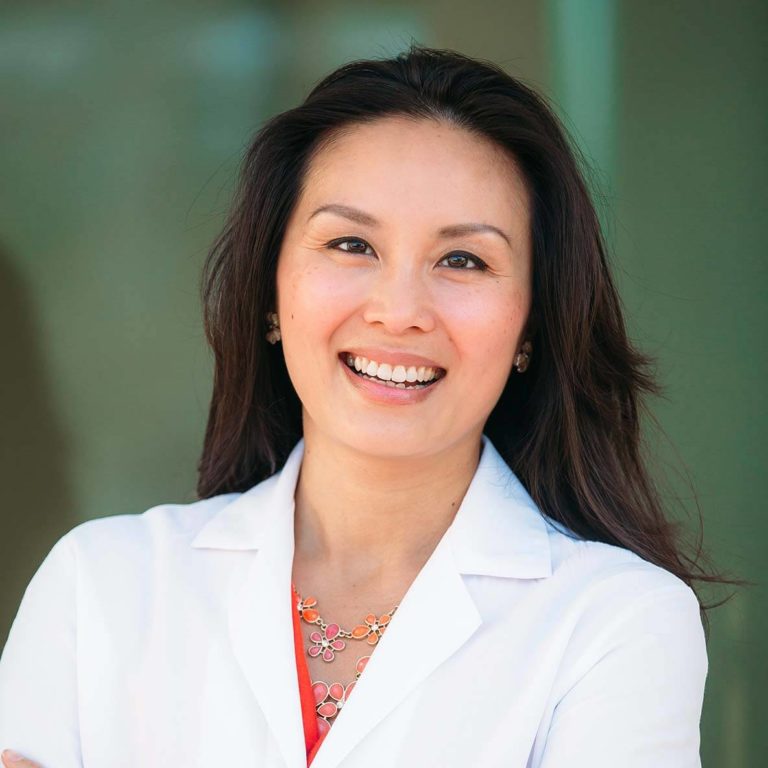
Medical contribution by Kara Khanh-Ha D. Nguyen, M.D., MPH
Kara Nguyen, MD, MPH, FACMG, FACOG, is board certified in obstetrics & gynecology, reproductive endocrinology and infertility, and medical genetics. Her professional areas of expertise include oncofertility, preimplantation genetic diagnosis, polycystic ovary syndrome, in vitro fertilization, donor egg, donor embryo, and fertility preservation.
Shady Grove Fertility is an advocate of genetic screening when planning for pregnancy, and offers genetic screening for more than 100 different diseases and syndromes. We strongly recommend pre-pregnancy genetic screening due to its benefits to patients and their future children. The insights gained by testing both partners offer the ability to identify possible genetic diseases that may be passed on to future offspring. If a genetic disease is found, the couple has the option to use in vitro fertilization (IVF) with preimplantation genetic diagnosis (PGD) to avoid passing that disease onto their child(ren).
The most common genetic disorders are when there are extra or missing bookshelves. This is the cause of the majority of miscarriages. Some however are viable such as Trisomy 21, or Down syndrome. In Down syndrome, the baby inherited an extra copy of the entire “bookshelf 21.” Missing bookshelves are much more severe and don’t generally survive. Chromosomally abnormalities can sometimes be linked to a woman’s age. As women age, so do their eggs. As the eggs age, they become more resistant to fertilization, resulting in lower pregnancy rates and miscarriages. More of the eggs also tend to have chromosomal abnormalities, which can make miscarriage more likely.
If a patient has experienced recurrent pregnancy loss, it is common to do genetic testing to see if the pregnancy was chromosomally imbalanced. The genetic testing usually done is a karyotype, which is a spread of all the chromosomes to make sure there is the right number and right arrangement. Chromosomal imbalances may mean missing bookshelves, extra bookshelves, or individual shelves that have been rearranged onto the wrong bookshelf. Karyotypes do not determine if there has been a typo in a book for example. Some patients have all the books needed in their library but they are arranged on different bookshelves. It causes few or no problems but when these rearranged bookshelves are shared to a pregnancy, the pregnancy inherits an unequal number of books and becomes imbalanced.
We all have typos, and it is normal to have typos and most don’t cause any problems. There is no genetic test that identifies all the typos a person may have. However, your doctor can determine the genetic tests that are most appropriate given your unique situation. If you prefer to take action based on your genetic testing results, patients now have access to one of the most significant advances in the field: preimplantation genetic diagnosis (PGD) also known as preimplantation genetic testing (PGT-M) for monogenic or single gene diseases. This is a technique utilized with IVF that involves a biopsy of a few embryonic cells in order to differentiate healthy embryos from genetically abnormal embryos. In this way, we can identify embryos destined to express disease, allowing the transfer of only a genetically normal embryo(s) to the uterus. This technique has allowed thousands of couples to successfully carry to term and deliver healthy babies.
To learn more about genetics and preimplantation genetic diagnosis, or to schedule an appointment, please call our New Patient Center at 1-887-971-7755 or click here to complete this brief online form.
Editor’s Note: This post was originally published in January 2018 and has been updated for accuracy and comprehensiveness as of November 2018.
