Video
PCOS and Fertility: What you need to know
09/05/2025
Polycystic ovary syndrome (PCOS) is one of the most common causes of infertility—and one of the most treatable.
In this video, Janet Bruno-Gaston, M.D., MSCI, reproductive endocrinologist at Shady Grove Fertility, explains how PCOS affects fertility and the treatment options that can help patients grow their families.
What is PCOS?
PCOS is a hormonal condition that can disrupt ovulation, making it more difficult to conceive. People with PCOS may notice irregular periods, excess hair growth, acne, or weight changes—but symptoms can vary widely. Because of these differences, PCOS often goes undiagnosed until patients begin trying to get pregnant.
How PCOS affects fertility
For conception to occur, the ovary needs to release a mature egg each cycle. With PCOS, hormonal imbalances can prevent ovulation or make it unpredictable. This is why many patients with PCOS experience challenges when trying to conceive without support.
Diagnosis and treatment options
At SGF, diagnosis involves a careful review of your medical history, bloodwork, and ultrasound imaging. The good news: PCOS is highly treatable.
- Lifestyle changes such as nutrition and exercise support overall hormone balance.
- Medication can help regulate cycles or stimulate ovulation.
- Fertility treatments like intrauterine insemination (IUI) or in vitro fertilization (IVF) may be recommended if first-line options aren’t successful.
Every plan is tailored to the individual, with the goal of maximizing the chance of pregnancy while keeping treatment as simple and effective as possible.
Whole-patient care
Dr. Bruno-Gaston emphasizes that fertility care is not just about lab tests and medications; it is also about understanding the individual’s unique needs and circumstances. PCOS can affect both physical health and emotional well-being, and SGF’s team provides resources and support for every step of the journey.
If you have questions about PCOS and fertility, or if you’re ready to take the next step, schedule a consultation with one of our specialists. With the right care, many patients with PCOS are able to successfully build their families.
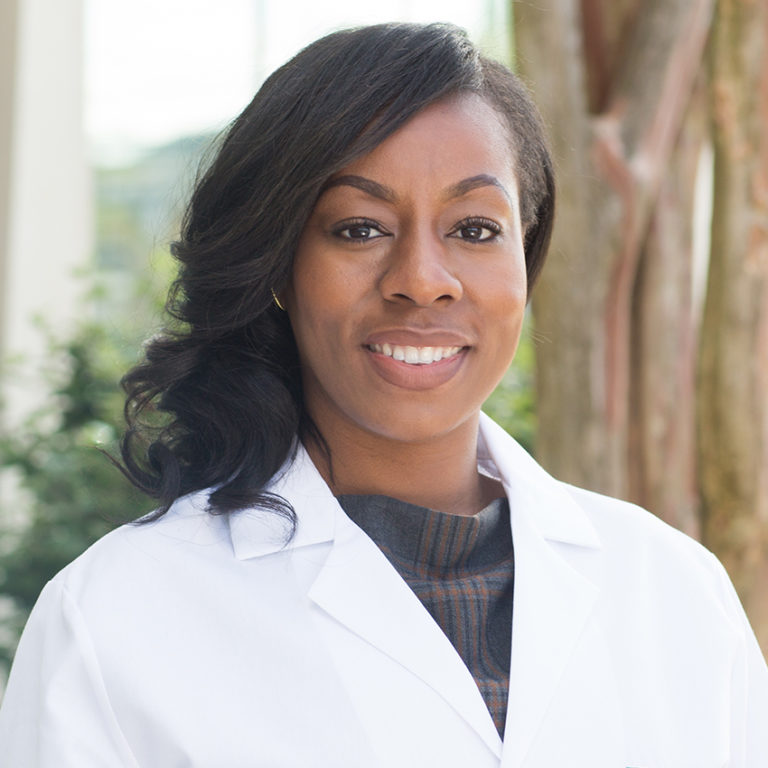
Medical contribution by Janet Bruno-Gaston, M.D., MSCI
Janet Bruno-Gaston, M.D., MSCI, is board certified in obstetrics and gynecology and in reproductive endocrinology and infertility (REI). Dr. Bruno-Gaston received her medical degree from Morehouse School of Medicine, where she was recognized as a Community Health Honors Scholar for her work with health care disparities.
You may be interested in...