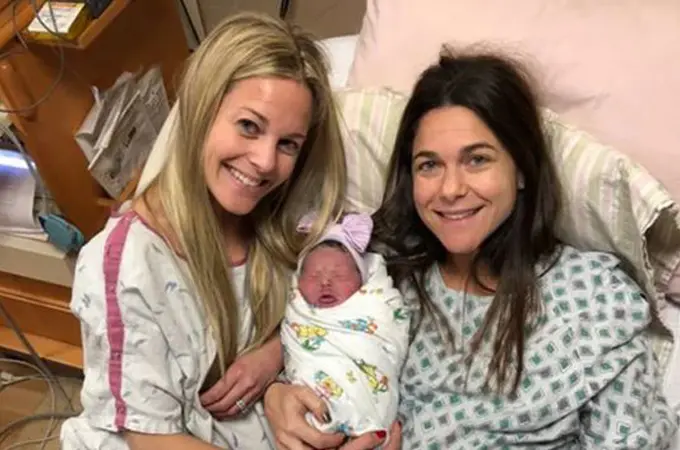

Building a family looks different for everyone—and for LGBTQIA+ individuals and couples, the path often involves more planning, more questions, and more decisions than a standard fertility workup. The good news: the options are real, the paths are well-established, and our care teams have been navigating all of them for years. Here’s what you need to know about LGBTQIA+ family building at Shady Grove Fertility.
“Every family looks different, and that’s exactly what we plan for,” shares Jaimin S. Shah, M.D. “LGBTQIA+ patients come to us at every stage. Some with a clear plan, some with a lot of questions, and some who just want to understand what’s possible before they decide anything. All of those conversations are welcome and encouraged.”
What treatment options are available for LGBTQIA+ family building?
LGBTQIA+ patients at SGF have access to the full range of fertility treatments, personalized to your specific situation, goals, and biology. Options include:
- Intrauterine insemination (IUI) with donor sperm — typically the first-line option for those planning to carry using donor sperm.
- In vitro fertilization (IVF) — used when IUI isn’t the right fit, or when additional steps like genetic testing are part of the plan.
- Reciprocal IVF (also called co-IVF) — one partner provides the eggs; the other carries the pregnancy. Both partners participate biologically in the process.
- Donor egg and donor embryo — for those who need eggs or embryos from a third-party donor.
- Working with a gestational carrier — for those who are not able to carry a pregnancy. Our team can help connect you with a gestational carrier through a reputable agency
- Fertility preservation for transgender individuals — including egg freezing or sperm banking before gender-affirming hormone therapy or surgery.
- Intended father treatment (dual insemination) — sperm from both partners can be used to create embryos, with one transferred to a gestational carrier.
What is reciprocal IVF?
Reciprocal IVF—sometimes called co-IVF—is a treatment option for couples where one partner provides eggs and the other carries the pregnancy. The egg provider goes through an IVF stimulation cycle; the eggs are fertilized with donor sperm to create embryos; one embryo is then transferred to the carrying partner’s uterus. It’s one of the most meaningful ways both partners can be biologically involved in the pregnancy.
What will my treatment plan look like?
Your treatment plan starts with an initial consultation with one of our reproductive endocrinologists, where your physician will review your medical history, discuss your goals, and recommend a diagnostic workup tailored to your situation.
A few things worth thinking about before that first appointment:
- If you’re planning to carry: Who will provide the eggs—you, your partner, or a donor? Will you use a known donor or an anonymous sperm donor?
- If you’re planning to work with a gestational carrier: Do you have someone in mind, or will you work with an agency? Who will provide the sperm and/or eggs?
- If you’re pursuing treatment as a solo parent: What donor options—sperm, egg, or embryo—fit your plan?
There’s no single right answer to any of these questions. The consultation is the place to think through them with someone who knows the clinical and practical landscape inside and out.
Does insurance cover LGBTQIA+ fertility treatment?
Coverage depends on your specific plan, but we work with most major insurance carriers—and the numbers are encouraging. About 90 percent of our patients have their initial consultation covered by insurance, and approximately 70 percent have some coverage for testing and treatment.
A Financial Educator on our team will review your benefits before you begin, walk you through exactly what’s covered, and help you understand your options if coverage is limited. That conversation is part of care—not an add-on.
What financial programs are available for LGBTQIA+ patients?
Our financial programs are available to all eligible patients, including LGBTQIA+ families. The Shared Risk 100% Refund Program for IVF offers up to six IVF cycles for a fixed fee—with a full refund if treatment is unsuccessful or if you decide to step away. It applies to IVF, donor egg treatment, frozen embryo transfer, and returning egg freezing patients. Some exclusions apply.
Additional options include zero percent financing through CapexMD, income-based discounts through the Shared Help program, and grants through the Tinina Q. Cade Foundation. A Financial Educator can walk you through what’s available for your specific situation.
Fertility Equity™ care—what it means for you
Our care teams are Fertility Equity™ certified, which means our team is trained to provide culturally competent, inclusive care for all communities—including those who have historically faced barriers to reproductive healthcare. That shows up in how we communicate, how we build treatment plans, and how we show up for every patient who walks through our doors.
What legal considerations should LGBTQIA+ families know about?
Family-building law varies by state and by treatment type, and we recommend working with a reproductive attorney as early in the process as possible. Our team can provide referrals.
A few things to know going in: for reciprocal IVF, the birth certificate will typically name the carrying partner, and the non-carrying partner may need to complete a second-parent adoption depending on the state. For same-sex male couples working with a gestational carrier, a legal contract establishing parental rights should be in place before the transfer. Your attorney will guide you through the specifics.
Additional frequently asked questions
Whether you’re just starting to explore your options or ready to schedule your first appointment, our team is here. Ready to talk with a specialist? Schedule a consultation with Shady Grove Fertility today.
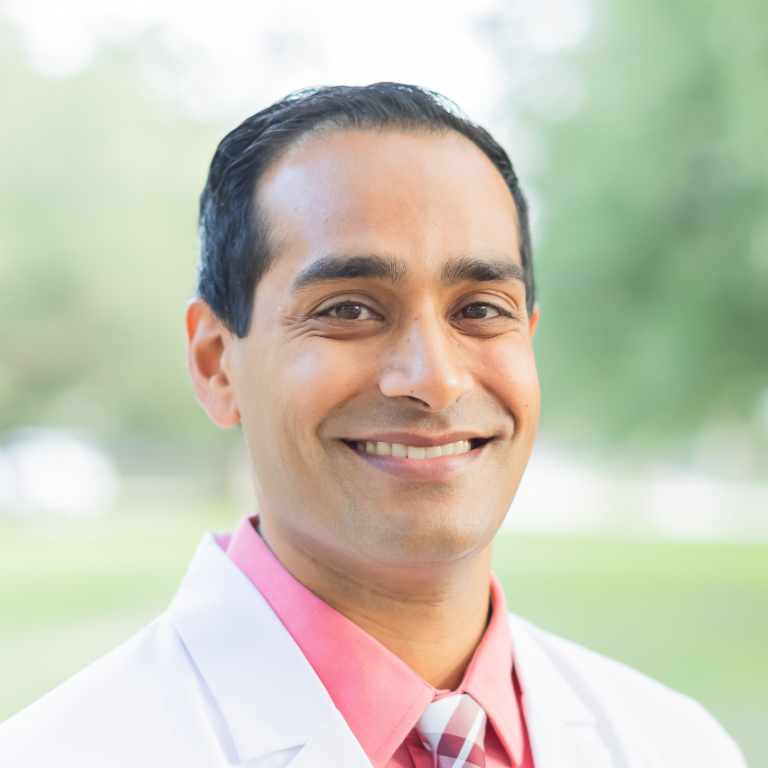
Medical contribution by Jaimin S. Shah, M.D.
Jaimin S. Shah, M.D., is board certified in obstetrics and gynecology (OB/GYN) and reproductive endocrinology and infertility (REI). He completed his residency training in OB/GYN at the McGovern Medical School in Houston, Texas. During this time, Dr. Shah was inspired by a patient diagnosed with breast cancer and found working with a reproductive endocrinologist (REI) to help preserve the patient’s future fertility a fulfilling experience.
LGBTQIA+ patient stories

Patient Story
Quinton & Jamin

Patient Story
Lindsey & Gracie
Patient Story
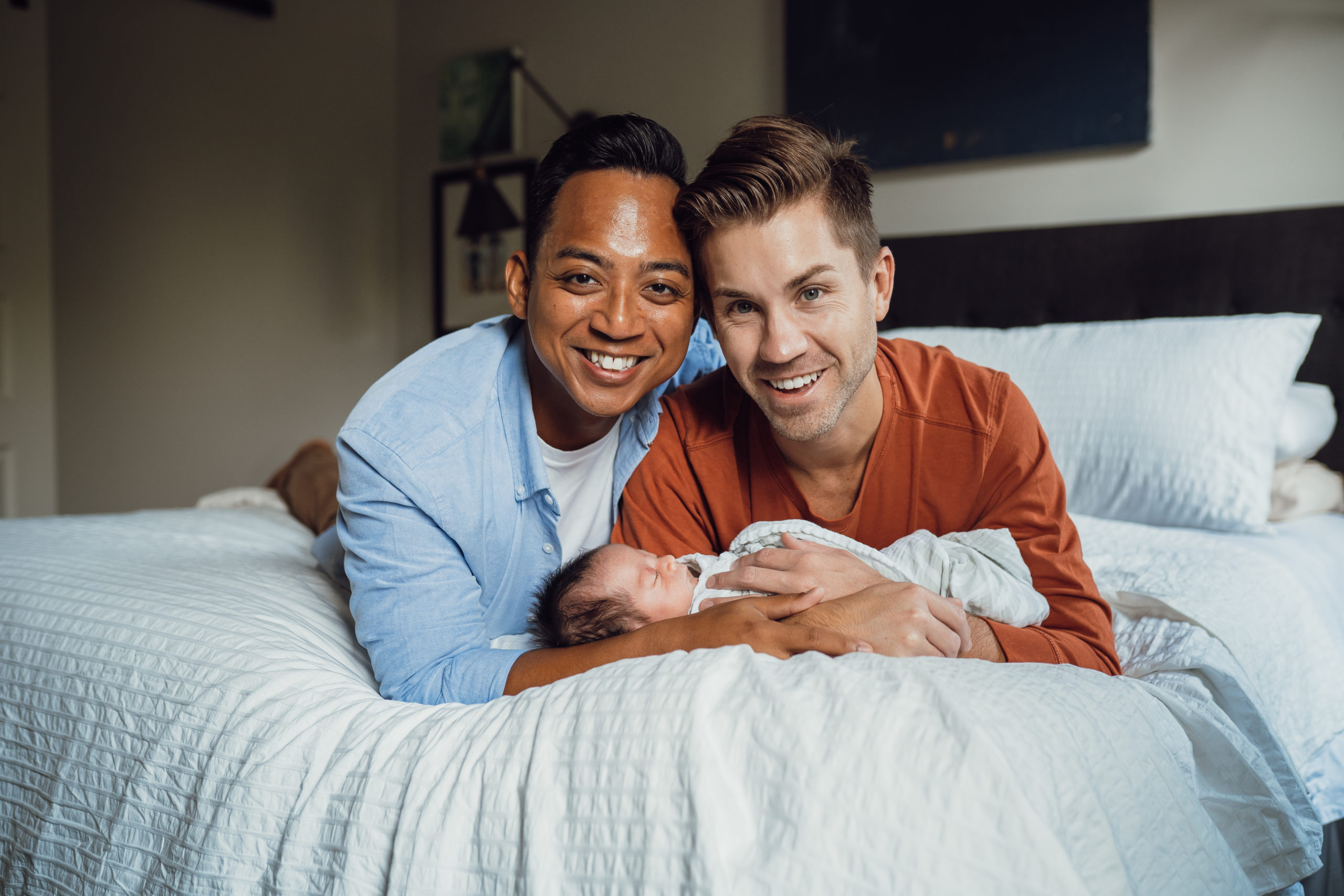
Chad & Michael

Patient Story