
Endometriosis
As many as one-third to one-half of persons with female reproductive organs struggle with getting pregnant when diagnosed with endometriosis. Essentially, endometriosis is a condition in which endometrial tissue (tissue that lines the inside of the uterus) grows outside the uterus and eventually sheds into the abdominal cavity.
Inflammation occurs in the areas where the blood pools, forming scar tissue. When the endometrial tissue forms on other reproductive organs aside from the inside of the uterus, it interferes with ovulation, tubal transport, and embryo quality.
Indicators of endometriosis
Symptoms
Endometriosis can be tricky because it’s not a one-size-fits-all condition. Not all people with endometriosis will experience pain. In fact, some people with very advanced endometriosis may have no pain whatsoever and may only become diagnosed when they struggle with conception. On the other hand, some people with very minimal endometriosis will have horrible pain. Common symptoms for endometriosis include:
Causes
The cause of endometriosis is still unknown. One theory suggests that during menstruation, some of the menstrual tissue backs up through the Fallopian tubes into the abdomen, where it implants and grows. Another theory suggests that endometriosis is a genetic birth abnormality in which endometrial cells develop outside the uterus during fetal development.
Impact on fertility
Since the endometrial tissue behaves the same way that it would when inside the uterus, it swells and bleeds but without the proper exit from the body. The inflammation is thought to prevent proper tubal transport, which is what propels the gametes and embryos. Additionally, the scar tissue that forms as a result of the swelling can block the Fallopian tubes or obstruct ovulation.
A fertility specialist will make a personalized treatment plan by taking into account your age, the stage of your endometriosis, and the duration of your infertility. Whether or not to have surgery or more surgery is controversial and a case-by-case decision. Given more recent studies, our physicians are no longer as apt to recommend surgery. We realize now that repeated surgery may be detrimental to a patient’s ovarian reserve, and does not necessarily lead to an improvement in fertility.
Diagnostic testing for endometriosis
Once you discuss the possibility of the diagnosis with your doctor, they may conduct a laparoscopy — an outpatient surgical procedure where a narrow, fiber-optic camera is inserted through an incision near the navel to look for and remove endometrial implants and scar tissue — to confirm.
The only way to truly know is for a gynecologist to look inside the pelvis via a laparoscope, take a biopsy, and confirm it under the microscope.
Treatment for endometriosis
While endometriosis may make it harder to conceive on your own, your chances of getting pregnant with endometriosis can be high, depending on the severity of your condition, your age, your overall health, and your treatment options. With both low-tech and high-tech treatment, pregnancy is possible. Since endometriosis can take many forms, and the success rates of treatments vary, your doctor will outline your best treatment options with an individual plan for you.
Even if you’re not ready to conceive but are actively treating your endometriosis, a fertility specialist can help you map out a plan for future family building.
I have pain and I’m trying to get pregnant…
If you experience pain from endometriosis, you may consider having surgery to alleviate the pain in addition to gaining more time in which you can hopefully conceive. Seeking consultation with a fertility specialist prior to such a decision can be helpful to maximize the chances of pregnancy after surgery.
After surgery, fertility treatment is a smart way to expedite pregnancy, with medication like clomiphene citrate (Clomid or Serophene) and/or intrauterine insemination (IUI) or even in vitro fertilization (IVF).
The good news is that once you’re pregnant, your pain from endometriosis usually subsides during the pregnancy itself.
I don’t have pain and I’m trying to get pregnant…
You may only have infertility as a consequence of endometriosis and do not have any pain at all. In your case, the benefit of surgery is less clear, but fertility treatment like intrauterine insemination (IUI) and in vitro fertilization (IVF) can be very helpful.
I have pain, but I’m not trying to get pregnant…
If you’re experiencing pain because of your endometriosis and you’re not trying to conceive, your gynecologist can prescribe a variety of hormonal medications that can help alleviate the pain. If medications are unsuccessful, you may want to consider having surgery if you’ve not done so before.
We recommend pursuing surgery in the hands of a surgeon or gynecologist who is experienced in endometriosis and laparoscopy in general. While laparoscopic surgery can help reduce the pain from endometriosis, it can also negatively affect your ovarian reserve. Therefore, preserving your fertility through egg freezing is also a smart option.
Over time, your egg count will decrease and endometriosis does tend to worsen. Many patients are now choosing to proactively freeze their eggs in the event that their endometriosis threatens their future fertility.
FAQs
Learn more about endometriosis
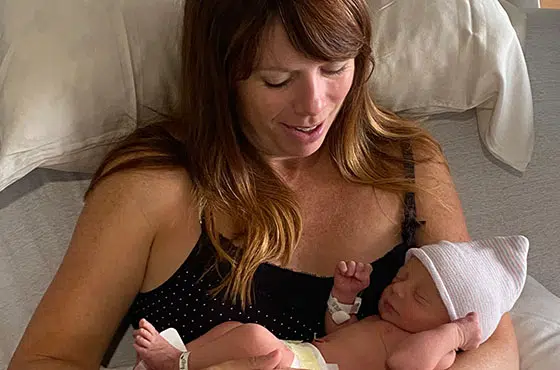
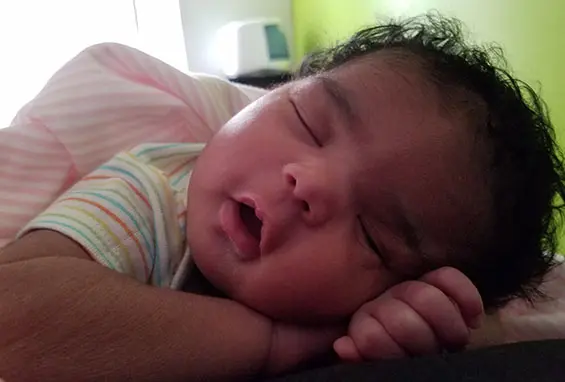
Success stories from patients with endometriosis

Patient Story
Georgette & Christopher

Patient Story
Heather & Kyle
Patient Story
Becky & Keith
Patient Story
